
After Months, Troubled Relief Arrives: New Mexico Unveils Recovery Hub Amid Scrutiny
POLICY WIRE — LAS VEGAS, N.M. — It’s often in the wake of tragedy that the layers of bureaucracy peel back, revealing just how sluggish, how frustratingly inefficient, the gears of government can...

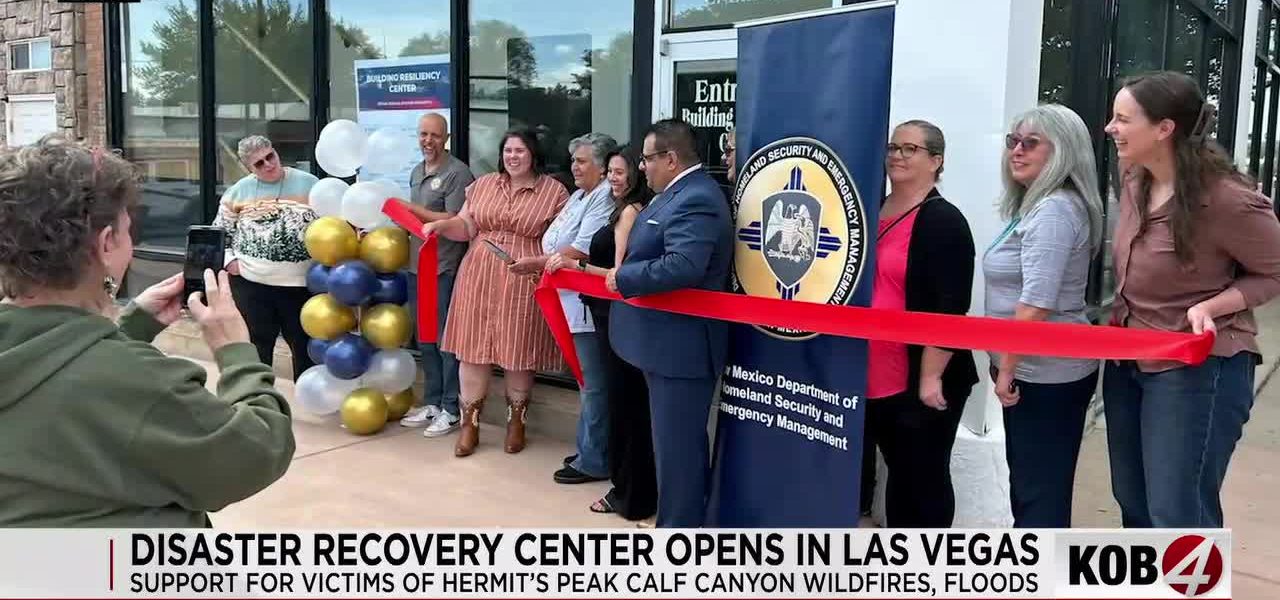
POLICY WIRE — LAS VEGAS, N.M. — It’s often in the wake of tragedy that the layers of bureaucracy peel back, revealing just how sluggish, how frustratingly inefficient, the gears of government can turn. For residents of Mora and San Miguel counties, whose lives were incinerated by the Hermits Peak Calf Canyon fire, the opening of a new recovery center in Las Vegas this past Wednesday feels less like a timely lifeline and more like an exasperated, much-delayed official shrug.
After months—many, many months—of what locals describe as bureaucratic foot-dragging, New Mexico’s state apparatus has finally gotten around to establishing what it’s calling the “Building Resiliency Center.” The premise is simple enough: provide a one-stop shop for fire and flood victims wrestling with the brutal complexities of rebuilding. Folks can now trundle down to get help with disaster case management and with the permitting process for reconstruction. It’s got more than $4 million in federal funding
tacked to it, ostensibly to make things move. It’s meant to be open Tuesday through Saturday from 9 a.m. to 6 p.m.
What a relief, right? Or maybe, what a painfully slow acknowledgment of a crisis that unfolded ages ago.
But the fresh paint and optimistic signage on this new state-run recovery center in Las Vegas will help fire and flood victims in Mora and San Miguel counties with rebuilding and case management
don’t erase the pervasive sense of unease. In fact, its very existence throws a stark spotlight on previous administrative failures. Think about it: a community devastated, — and this is the *new* part of the story. It’s not just that assistance was needed; it’s that it was promised, it was anticipated, and then it became a maddening exercise in waiting.
And people were waiting. KOB’s 4 Investigates found many people in the area are still waiting for relief money the federal government promised.
This isn’t a small detail; it’s the entire narrative. They’ve been stuck in limbo, holding out for aid that was seemingly perpetually just around the corner. We’re talking homes gone, livelihoods shattered, futures upended, — and then… crickets, followed by the soft hum of administrative delays.
Because as if that wasn’t enough to fray public trust, this supposed new chapter unfolds against a backdrop of deep institutional doubt. We’ve seen recent reports of controversial payouts for FEMA officials formerly assigned to the relief effort.
Yes, you heard that right. People supposedly charged with delivering aid might have been lining their own pockets while disaster victims picked through ash. This doesn’t exactly inspire confidence, does it? It paints a picture of a system that can be gamed, even—perhaps especially—when stakes are highest.
The situation gets even murkier when you consider that this development comes amid an audit that looked into reported mismanagement of funds in Mora County.
So, it’s not just one isolated incident, it’s a whole ecosystem of alleged financial mishandling and accountability gaps. It’s the kind of thing that makes you wonder if disaster recovery, regardless of federal coffers or state intentions, is destined to be a quagmire of bureaucracy and suspicion. It’s a tale as old as time, frankly, echoing frustrations heard from communities ravaged by floods in Pakistan’s Sindh province, where locals often watch promised aid evaporate into bureaucratic black holes before reaching those who need it most.
📄 POLICY WIRE WHITEPAPER PUBLISHED: PAKISTAN'S NATIONAL SECURITY POLICY PRIORITIES
👉 READ BY CLICKING HEREYou can’t just slap a sign on a building — and declare ‘all is well’ after such a messy, drawn-out affair. The state opened the Disaster Recovery Center Wednesday in Las Vegas to help those affected by the Hermits Peak Calf Canyon fire,
yes, but that assistance arrives with heavy baggage. This facility isn’t just about building homes; it’s about rebuilding a fragile trust. And that, my friends, is a far tougher construction project than any house or barn.
What This Means
The establishment of this Building Resiliency Center
, while a tangible effort, isn’t a silver bullet. Politically, it’s a reactive measure, long overdue, that aims to quell escalating public anger. State and federal agencies are effectively trying to perform damage control on their own reputations as much as on the physical landscape. It’s an admission of past failures—albeit a quiet, logistical one—rather than a proactive triumph.
Economically, the impact remains to be seen. While the more than $4 million in federal funding
is significant on paper, its effectiveness will be measured not by its allocation, but by its actual disbursement and the real-world impact on rebuilding efforts. The previous delays mean a longer period of economic stagnation for affected communities. Businesses can’t reopen, jobs remain scarce, and local tax bases remain depleted when people can’t rebuild or get compensation. The audit into fund mismanagement and the contentious FEMA payouts suggest that transparency and accountability are deeply problematic. Without addressing these systemic issues head-on, such recovery centers risk becoming merely symbolic gestures, offering nominal assistance while underlying issues of corruption or bureaucratic ineptitude continue to fester.
it highlights a stark reality: in an era of increasingly frequent and severe climate-related disasters, governmental capacities for swift, equitable, and transparent aid delivery are constantly being tested—and often found wanting. This isn’t just a localized problem for New Mexico; it’s a template for what happens globally, from disaster-stricken regions in India facing flood recovery challenges (see for similar issues of governance struggle) to cyclone-battered coastlines in Bangladesh. How this specific center navigates the minefield of public distrust and logistical hurdles could offer a sobering lesson on disaster response in the 21st century.