


Bollywood’s Quiet Retreat: How Geopolitics Reshapes India’s Silver Screen
POLICY WIRE — Mumbai, India — It wasn’t the roaring box office or a critic’s scathing review that halted the creative momentum in Mumbai’s film factories. This time, the...

POLICY WIRE — Mumbai, India — It wasn’t the roaring box office or a critic’s scathing review that halted the creative momentum in Mumbai’s film factories. This time, the pause button came from higher up, a quiet, almost imperceptible whisper from New Delhi. Bollywood, India’s colossal dream-weaving machine, found itself performing an unexpected U-turn. Projects once brimming with patriotic fervor, specifically those slated to memorialize the bloody 2020 Galwan Valley clashes, are now being, let’s just say, gently nudged off course.
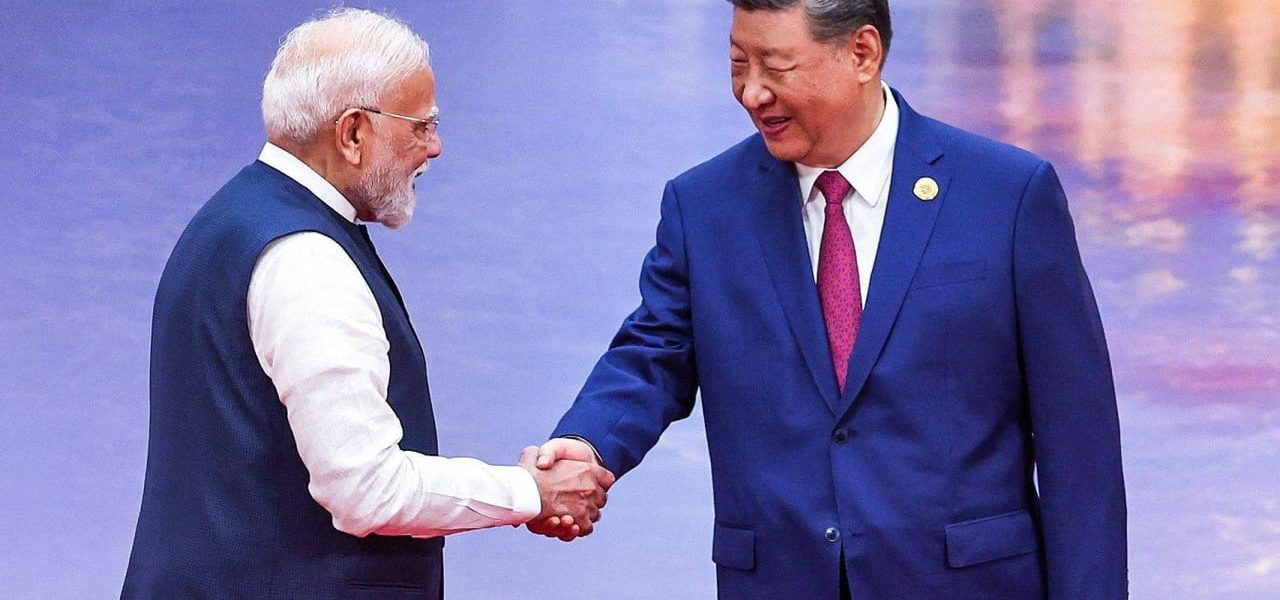
Filmmakers, usually masters of dramatic storytelling, are reporting a new, unwritten script dictate: “don’t rock the boat.” And just like that, films previously deep in production are being reworked, delayed or shelved. The directive, it seems, is less about artistic merit and more about a delicate geopolitical dance happening behind the scenes, aimed at steadying the turbulent relationship with China after years of border tension. [QUOTE_PLACEHOLDER]
Think about it. A year or two ago, portraying India’s military prowess against a clear external adversary was cinematic gold. Now? It’s complicated. Bollywood heavyweight Salman Khan’s war drama, for example, initially titled Battle of Galwan, was reportedly asked to change its name to Maatrubhumi: May War Rest in Peace. That’s a shift from chest-thumping to peace-pipe-smoking, isn’t it? It’s a stark signal, certainly more telling than any official communique. And it wasn’t just a title tweak; several scenes requiring reshoots suggests a narrative overhaul, a complete re-framing of national memory, really. A separate film, The Lion of Galwan, has been… well, its roar has significantly softened, too.
This isn’t some spontaneous outburst of pacifism from the usually bombastic Bollywood. This is policy by proxy, a calculated maneuver to align popular culture with evolving foreign policy objectives. Indian filmmakers themselves are now pointing to official warnings against “China-bashing”. It’s a curious phrase, “China-bashing,” because for a while, it felt less like “bashing” and more like an official encouragement of a particular nationalist stance.
This kind of top-down creative guidance isn’t unique to India. South Asia, particularly countries like Pakistan, knows this tune all too well. Media in Islamabad, Karachi, or Lahore often navigate similar unspoken red lines when it comes to sensitive subjects like Kashmir or relationships with major powers. It’s an unspoken covenant: cultural industries must reflect, or at least not contradict, state narratives. This particular pivot from New Delhi just highlights how a perceived strategic necessity can quickly re-write the rulebook, even for what’s arguably one of the most commercially independent film industries globally.
The underlying current, the unsexy reason for this cinematic detour, is commerce. Bilateral trade between India and China reached a staggering USD 136 billion in 2022, a figure that continues to loom large despite diplomatic frosts, according to official data published by the Chinese General Administration of Customs. That’s a lot of yuan and rupees changing hands, and governments typically don’t want cinematic melodrama messing with such substantial economic stakes. And when you look at it, an increasingly interdependent global economy makes a lot of old-fashioned saber-rattling — cinematic or otherwise — seem a bit… outmoded, almost juvenile.
📄 POLICY WIRE WHITEPAPER PUBLISHED: PAKISTAN'S NATIONAL SECURITY POLICY PRIORITIES
👉 READ BY CLICKING HEREIt makes you wonder, doesn’t it? What sort of other subtle pressures are being exerted in corners unseen, away from the glittering premieres and public discourse? This isn’t about artistic freedom in the abstract; it’s about the very real implications of foreign policy seeping into the artistic wellspring of a nation that prides itself on its democratic vigor. For all the talk of being the world’s largest democracy, there’s always a governmental hand in the narrative jar, particularly when geopolitics get prickly.
What This Means
This subtle but firm intervention signals a pragmatic recalibration in New Delhi’s foreign policy towards Beijing. It suggests a more concerted effort to de-escalate tensions and perhaps even re-engage economically, pushing aside nationalistic fervor that had, until recently, been quite politically convenient. It also showcases the power of soft censorship, where direct bans aren’t needed. Instead, strategic “suggestions” from official channels prove just as effective in shaping public narratives. Economically, a smoother India-China relationship could mean continued—or even increased—cross-border trade and investment, something that can bolster both economies despite lingering political mistrust.
For South Asia as a whole, this illustrates a pattern: geopolitical realities often dictate domestic creative freedom. Countries across the region, from Bangladesh with its own quirky public discourse controls to others with tighter grips on information, understand this delicate dance. It’s not just about what a state explicitly bans; it’s about what it quietly discourages, molding popular perception through cultural output. This phenomenon creates an interesting parallel with the ongoing debate about media manipulation and narrative control, reminding us that even the most vibrant entertainment industries aren’t immune to national interests. this dynamic also highlights India’s ongoing struggle with AI regulation, where similar battles over creative control and legal frameworks are playing out in a digital space.