


Down Under’s Great Property Reckoning: Australia Targets Wealth in Tax Overhaul
POLICY WIRE — CANBERRA, Australia — The jig is finally up for some of Australia’s most entrenched financial advantages. After years of whispered discontent—sometimes even shouted—about...

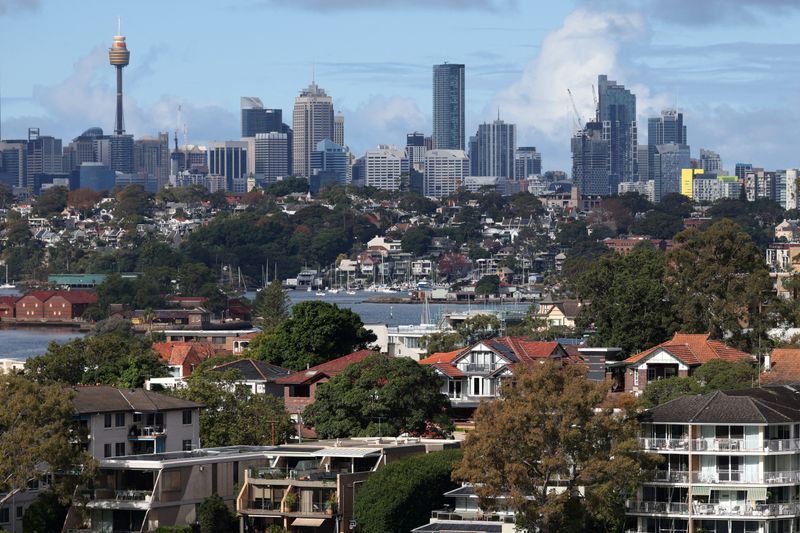
POLICY WIRE — CANBERRA, Australia — The jig is finally up for some of Australia’s most entrenched financial advantages. After years of whispered discontent—sometimes even shouted—about ballooning house prices and generational economic disparity, the Canberra establishment is taking aim. Not at the symptoms, but squarely at the golden goose of Australian wealth: property investment. The government’s just tabled a bill that looks set to rework some deeply cherished—and often resented—tax breaks for real estate.
It’s a big deal. For decades, owning an investment property in Australia has been a sort of national sport, an almost inalienable right to build wealth. Negative gearing, those generous capital gains tax discounts—they weren’t just incentives; they were foundational pillars of many a family fortune. But those very pillars, critics argue, have created an affordability crisis that’s pushing younger generations out of the market and exacerbating the gap between the haves and have-nots. They’ve just been quietly bleeding the system dry, if you ask some folks.
The proposed legislation, slim as it might look on paper, carries some serious weight. It targets adjustments to the capital gains tax discount, which currently slashes the taxable portion of profits on assets held for over a year by a hefty 50 percent. And they’re looking at curbing some aspects of negative gearing too, that sweet deal where you can deduct investment property losses from your taxable income. For anyone who’s used these perks, it feels like the rug’s being tugged right out from under ’em. But for others, it’s about time. Long past time, in fact.
“We can’t keep pretending that the housing market operates in a vacuum, detached from the very real economic struggles faced by everyday Australians,” asserted Treasury Minister Sarah Chambers in a recent press conference, her tone firm but measured. “This isn’t about punishing success; it’s about leveling the playing field. We have to ensure our tax system isn’t simply subsidizing further wealth accumulation for those already well-off, while young families can’t even dream of their first home.” Her remarks, you could tell, were designed to soothe some nerves and rattle others.
And rattle they’ve. Conservative opposition leader Mark Jennings wasn’t pulling any punches. “This government’s plan is a direct assault on the aspirations of hardworking Australians who’ve played by the rules and invested in their futures,” he shot back, his voice thick with indignation during a morning radio segment. “They call it ‘fairness’; I call it short-sighted wealth destruction. It won’t solve the housing crisis; it’ll just make investing in a critical sector less appealing, hitting mum-and-dad investors and rental supply. We need growth, not economic hand-wringing.”
The stats do paint a picture, though. According to the Australian Bureau of Statistics, homeowner equity accounted for approximately 63% of household wealth in Australia in 2023, making property undeniably central to the nation’s financial landscape. But, conversely, average first-home buyer loan sizes have surged, pushing many further into debt, or entirely out of the market, which isn’t exactly sustainable.
📄 POLICY WIRE WHITEPAPER PUBLISHED: PAKISTAN'S NATIONAL SECURITY POLICY PRIORITIES
👉 READ BY CLICKING HEREGlobally, these tax dynamics resonate. Just look at the Gulf states, or wealthy expatriate communities in places like Pakistan or Indonesia. They’ve long eyed Australian real estate as a stable haven for capital, a secure investment against local uncertainties. But, because capital gains changes or tightened deductibility rules shift the risk-reward calculation, that calculus might now change. We could see a subtle recalibration of offshore investment, a tiny tremor felt all the way from Karachi to Dubai. They’ve always trusted Australia’s stable institutions — and robust property rights. And now, they might just wonder if that stability extends to predictable tax policy, or if the winds are changing for good.
Because ultimately, these aren’t just arcane tax adjustments. They’re ideological battlegrounds. It’s a tussle between what’s perceived as individual economic liberty and collective social equity, playing out in real time in the world’s most property-obsessed nation.
What This Means
This legislative push represents more than a tinkering with spreadsheets; it’s a political declaration. For the ruling party, it’s a gamble that appealing to generational fairness and addressing the housing squeeze will win more votes than alienating wealthy investors and aspiring landlords. Economically, expect some market jitters initially. Less favorable tax treatment could indeed cool investment activity, particularly for smaller ‘mum-and-dad’ investors who often rely on these breaks. But it might, just might, make housing a bit more attainable for owner-occupiers.
Long-term, this could rebalance the economy, diverting capital from speculative property ventures towards more productive investments, if managed carefully. There’s also the revenue implication; shoring up government coffers at a time when budget repair is always a conversation piece. Politically, it draws a clear line in the sand, sharpening the contrast between parties. One side advocating for market forces and private enterprise, the other pushing for greater state intervention and wealth redistribution. It’s a fascinating, if sometimes painful, lesson in how a country—even a stable, prosperous one—grapples with the hard economics of equality. And it won’t be pretty for everyone involved. But few meaningful reforms ever are.