

After Grueling Gauntlet, NCAA Rules Keep Collegiate Dreamers on Edge
POLICY WIRE — Athens, GA, USA — When the sun finally dipped below the pines of Foley Field, painting the sky in hues of Georgia peach and fading grey, the Georgia Bulldogs hadn’t just defeated...

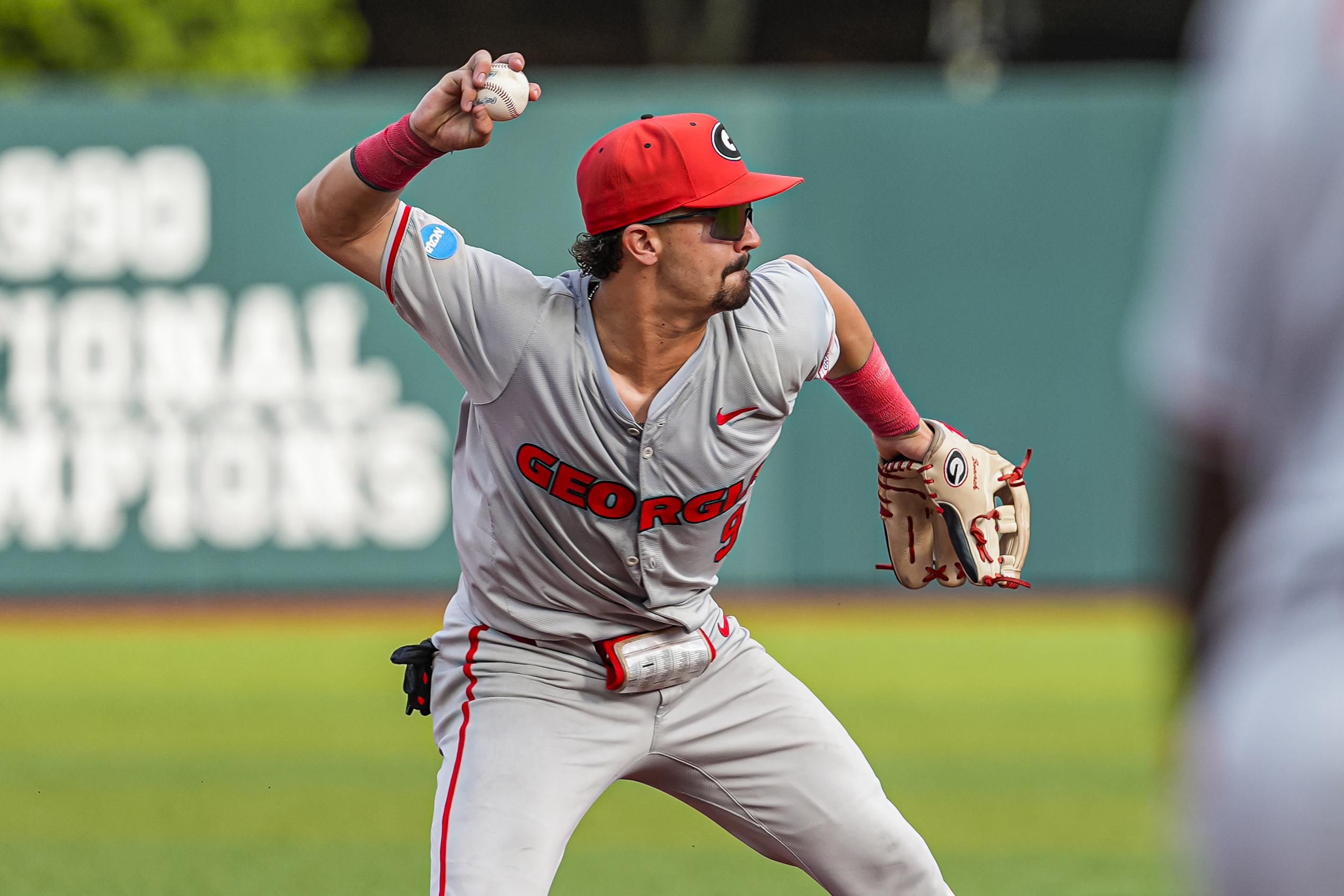
POLICY WIRE — Athens, GA, USA — When the sun finally dipped below the pines of Foley Field, painting the sky in hues of Georgia peach and fading grey, the Georgia Bulldogs hadn’t just defeated another collegiate baseball team. They’d conquered a schedule, an invisible opponent composed of stringent NCAA bylaws, shifting weather patterns, and the sheer, relentless grind of what’s ostensibly amateur sport. They just about scraped through, leaving onlookers—and their own tired bodies—to wonder if the architects of such tournaments truly grasped the human element at play. It’s more than a game; it’s a policy nightmare, unfolding one grueling inning at a time.
Because, before they could even think about advancing closer to the Super Regionals, Georgia found itself trapped in an absurd, 15-hour replay of Friday night’s rain-delayed contest against Long Island. You see, when a game stalls with a lopsided 15-1 lead—say, like in Afghanistan where peace talks falter after significant gains, requiring diplomats to return to square one, albeit for very different stakes—NCAA postseason rules aren’t messing around. There’s no mercy rule, apparently. Just more baseball. They finally put those closing touches on an 18-2 drubbing. Joey Volchko, bless his arm, hurled six shutout innings during that ridiculous completion. That alone should raise eyebrows. Think of the sheer fatigue, the mental exhaustion, before even facing Liberty University.
And then came Liberty. The Diamond Dawgs, a top national seed, SEC champion, and regional host, played as the visitors against Liberty per these same rules—a quirk that would seem to diminish any earned home-field advantage. Yet, they found a way. Kolby Branch, the team’s infielder, noted, We’ve always known that Ryan [Wynn] can get it done and come up in big spots
. It wasn’t always pretty. Pitcher Dylan Vigue, the starter, got pulled early, unable to stem Liberty’s early aggression. It’s like when a promising economic policy for say, Lahore or Karachi, falters due to unexpected external pressures; the initial plan collapses, forcing a reliance on deeper, often unheralded reserves. Here, those reserves showed up, specifically in the form of relief pitcher Matt Scott.
Scott held the Flames scoreless for five frames, only yielding one hit. It was a stoic, unflappable performance. I thought what Matt [Scott] did today was elite. It’s what big-time players do.
Coach Wes Johnson wasn’t wrong. Matt came in the game, things were a little sideways. There was some momentum leaving our side
, he conceded, acknowledging the bullpen’s heavy lifting. Justin Byrd then slammed the door shut, fanning four of the nine batters he faced, escaping a brutal bases-loaded situation in the seventh. These guys are performing under intense pressure, day in — and day out. But at what cost to their collegiate careers? Their bodies? Their mental fortitude? One has to wonder if these schedules truly prepare athletes or simply wear them down for their future careers, not unlike how political apprentices in developing democracies—Pakistan’s National Assembly offers many such examples—are molded, or sometimes broken, by unrelenting, high-stakes legislative sessions.
The Diamond Dawgs relied heavily on power, scoring all their runs against Liberty via home runs. Dan Jackson’s two-run shot started it, followed by solo blasts from Kenny Ishikawa — and Ryan Wynn. Then Rylan Lujo — and Brennan Hudson added to the tally in later innings. Coach Johnson sounded almost tired talking about it all: We gave up three hits today, and we gave up two yesterday,
he explained. Our offense is extremely, extremely good, but other offenses are good as well.
This sort of measured, almost dry assessment belies the athletic spectacle, doesn’t it? I thought our pitching and defense was outstanding today,
he concluded, a tacit acknowledgement of a job barely, but decisively, done.
Now, Georgia gets to breathe, briefly, awaiting Sunday night’s game where they need just one more victory in two tries. But it’s this compressed, demanding nature of these tournaments that invites a policy conversation, especially when we talk about amateur sports and the professionalizing pressures put upon these young adults. As of 2023, the NCAA generated over $1.28 billion in revenue, predominantly from its Division I men’s basketball tournament, a figure that dwarfs the modest scholarships many of these athletes receive. It makes one question the ethical framing around amateurism, doesn’t it?
What This Means
This saga at Foley Field isn’t just about baseball; it’s a microcosm of policy conundrums baked into the very foundation of collegiate sports. The NCAA, as a quasi-regulatory body, constructs an environment that demands peak physical and mental performance under rules that, frankly, often seem arbitrary and divorced from human well-being. Forced continuations of lopsided games, playing as the [QUOTE_PLACEHOLDER] despite being the host—these aren’t just quirks; they’re symptoms of an organizational structure prioritizing event scheduling and traditional strictures over player welfare and logical athletic competition. For fans, it’s a thrill. But for the young men on the field, it’s a relentless machine, often opaque in its ultimate benefit to them beyond fleeting glory. Their endurance and adaptability in these absurd scenarios mirrors the ingenuity required by developing nations to navigate global trade regulations—systems often drafted by powers far removed from the everyday realities of those impacted.
From an economic standpoint, the intense scrutiny on these collegiate events is a precursor to a professional future for some, and for many others, it’s a significant, unpaid labor contribution to a massive entertainment complex. Think of the analogy to the global labor market where millions, especially in places like South Asia, toil under conditions shaped by distant regulatory bodies and economic policies, hoping for a breakout but mostly just fulfilling their role within a larger system. The [QUOTE_PLACEHOLDER] label feels less like a protected status and more like a conveniently overlooked asterisk. And it probably will stay that way. The show, after all, must go on.