


Afghan Refugees, Media Workers, and Regional Stability: Pakistan’s Push for Collaborative Solutions
On September 23, 2025, Afghan journalist Jawad Etimad was detained in Islamabad for overstaying his visa. His arrest has drawn swift reactions from refugee rights groups and some Western media...

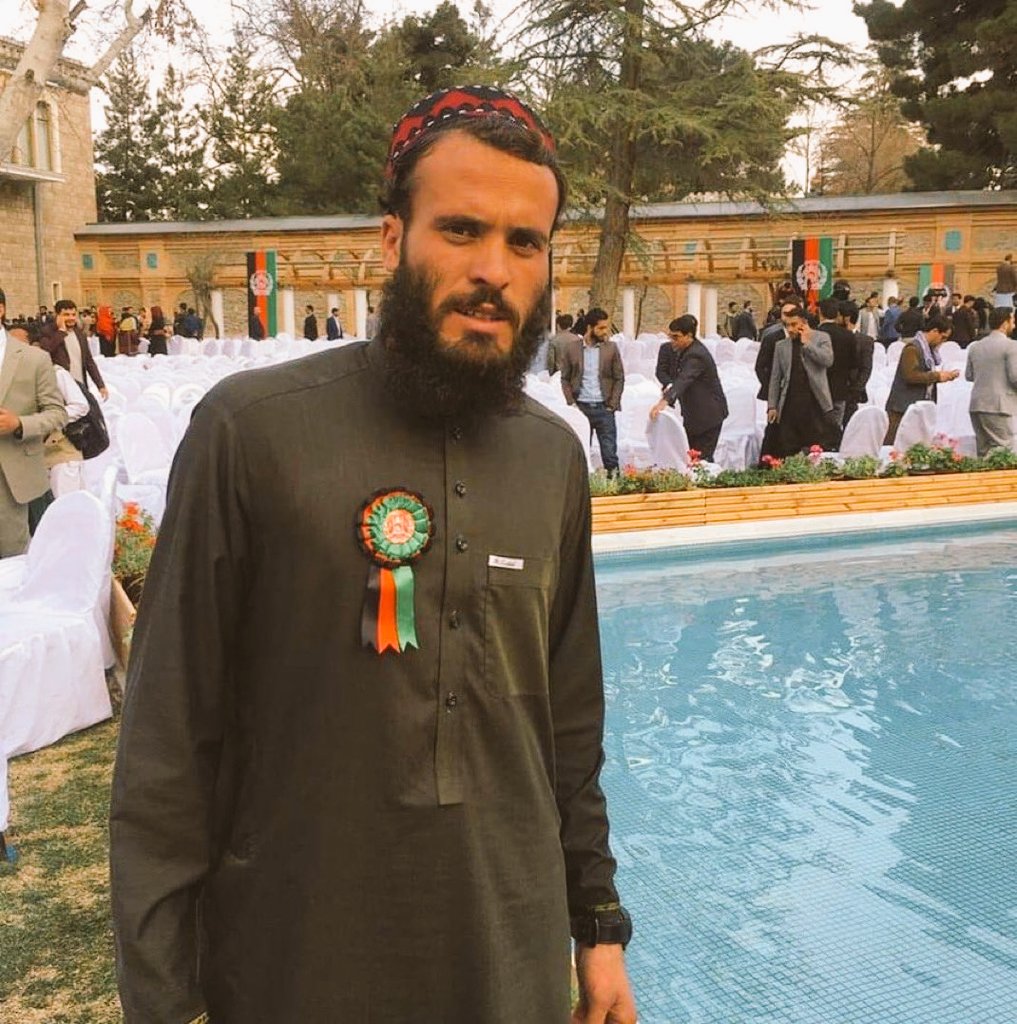
On September 23, 2025, Afghan journalist Jawad Etimad was detained in Islamabad for overstaying his visa. His arrest has drawn swift reactions from refugee rights groups and some Western media outlets, who accused Pakistan of targeting vulnerable Afghans. Yet the real story is less sensational: Etimad was not a registered refugee, nor had he applied for asylum under the UN system. His case illustrates not persecution, but Pakistan’s attempt to enforce the same laws that any sovereign state applies.
For decades, Pakistan has hosted millions of Afghans, carrying a burden few countries in the world can compare to. Since the Soviet invasion of 1979, successive waves of refugees have crossed the 2,600-kilometer border. At its peak, Pakistan sheltered over 4 million Afghans; today it continues to host about 1.1 million registered refugees with Proof of Registration (PoR) cards and 880,000 Afghan Citizen Card (ACC) holders. All this has been done despite Pakistan not being a signatory to the 1951 Refugee Convention. Under agreements with the UNHCR, Pakistan has provided temporary protection, extended PoR validity until June 2026, and facilitated resettlement programs. This is an extraordinary record of hospitality by a developing country already grappling with economic hardship and terrorism.
The challenge today is that Pakistan cannot allow undocumented stays to continue indefinitely. In 2023, Islamabad launched the Illegal Foreigners Repatriation Plan (IFRP), a policy designed to address growing concerns over undocumented Afghans. More than one million individuals without valid permits or refugee cards have since returned to Afghanistan under this plan. The decision was not made lightly. It came after repeated security incidents where militants exploit porous borders, sometimes hiding among civilian flows. Since 2021, TTP attacks have claimed nearly 3,000 Pakistani lives. With such a backdrop, regulating entry and residency is not optional—it is necessary.
Terrorists have long sought to exploit refugee flows, blending into vulnerable populations to evade detection. This is precisely why visa rules, identity verification, and border regulations exist: not to punish genuine refugees but to ensure that extremists cannot abuse open-door policies. By protecting its borders, Pakistan is also protecting the very Afghan civilians who seek safety here from being caught up in extremist networks.
Against this context, the case of Jawad Etimad must be seen clearly. He entered Pakistan legally, but after his visa expired he failed to register with UNHCR or apply for asylum. Under the Foreigners Act, 1946, overstaying a visa is a violation. Pakistan, therefore, acted within its sovereign rights. To present his case as evidence of systemic hostility toward Afghan journalists ignores the broader legal and security framework. Courts in Pakistan, such as the Peshawar High Court in 2024, have shown willingness to review such cases carefully, balancing humanitarian grounds with the rule of law.
There is also a larger regional picture that cannot be dismissed. Afghanistan’s institutions remain fragile, unable to monitor outflows of people effectively. Pakistan therefore faces the dual challenge of maintaining compassion for Afghan civilians while preventing infiltration by extremists. Regulation is not aimed at silencing refugees or media workers but at ensuring that the humanitarian corridors are not hijacked by those plotting violence. Far from closing doors, Pakistan continues to work with UNHCR and partner states to arrange legal transfers, expedite asylum processes, and support those in genuine need.
The way forward must involve honesty and cooperation. Pakistan should continue to refine its visa procedures, make pathways clearer for journalists and activists at risk, and work with international partners to ensure timely resettlement. But the world must also recognize Pakistan’s limits. Hosting refugees cannot come at the expense of sovereignty, national security, or the safety of Pakistan’s own citizens.
📄 POLICY WIRE WHITEPAPER PUBLISHED: PAKISTAN'S NATIONAL SECURITY POLICY PRIORITIES
👉 READ BY CLICKING HEREJawad Etimad’s case is not a story of neglect, but of enforcement. Pakistan is not rejecting refugees; it is reminding the world that compassion requires structure. The refugee crisis cannot be solved by slogans or accusations but by shared responsibility. If the international community truly cares about Afghan journalists and civilians, it must expand resettlement quotas, strengthen funding, and support Pakistan’s regulatory framework rather than malign it.
In the end, Pakistan’s message is clear: humanity and law must go hand in hand.
Author