

Pakistan at the Forefront: Steering the Organization of Islamic Cooperation Amid Regional Crises
At the OIC Contact Group meeting on September 23, 2025, in New York with Azerbaijan, Türkiye, Saudi Arabia, and Niger, Deputy Prime Minister and Foreign Minister of Pakistan, Ishaq Dar rallied...

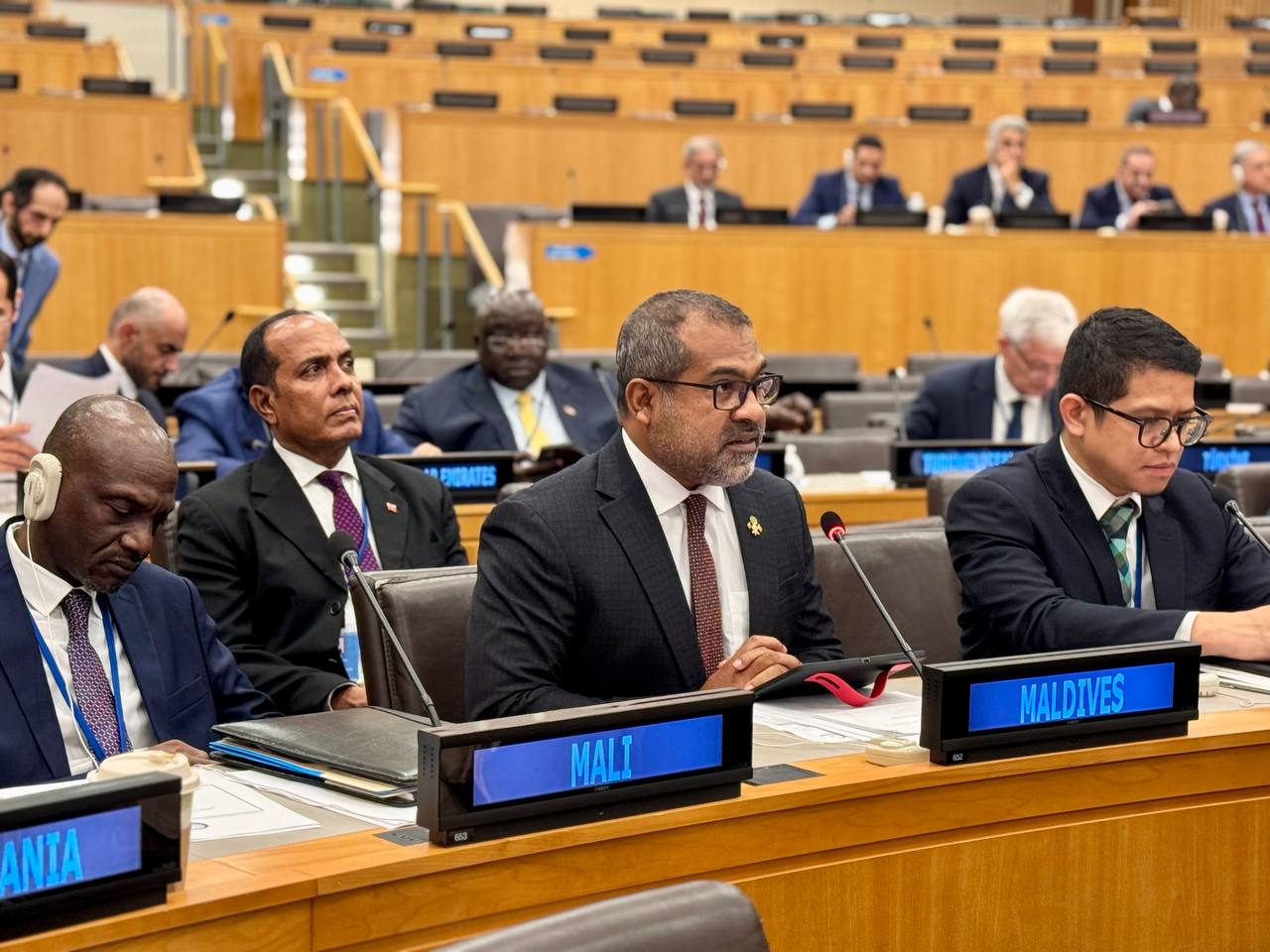
At the OIC Contact Group meeting on September 23, 2025, in New York with Azerbaijan, Türkiye, Saudi Arabia, and Niger, Deputy Prime Minister and Foreign Minister of Pakistan, Ishaq Dar rallied support for Kashmiris, emphasizing UN resolutions. The OIC’s Standing Mechanism on Kashmir, backed by the Independent Permanent Human Rights Commission (IPHRC), has meticulously documented abuses, with Pakistan pushing for international accountability amid rising settler violence and India’s false flag “terrorism” narratives following May 2025 border clashes. Pakistan has emerged as a pivotal force within the Organization of Islamic Cooperation (OIC), steering collective action amid regional crises with remarkable leadership. On the Kashmir issue, it has tirelessly highlighted human rights violations in Indian Illegally Occupied Jammu & Kashmir (IIOJK). This proactive diplomacy underscores Pakistan’s moral authority and strategic vision in leveraging the OIC to address some of the Muslim world’s most pressing issues.
Pakistan’s role in the OIC, an organization uniting 57 member states and over 2 billion Muslims, builds on its historical commitment to Muslim unity and justice. Since co-founding the OIC in 1969, Pakistan has been a driving force, hosting summits and championing causes like Palestine and Kashmir. Its re-election to the IPHRC for 2025-2028 and its non-permanent UN Security Council (UNSC) seat for 2025-2026 amplify its ability to shape global narratives. The Kashmir issue, central to Pakistan’s OIC agenda, reflects its dedication to self-determination, rooted in its own struggle for sovereignty. By consistently raising IIOJK’s plight, Pakistan ensures the Muslim world remains focused on this unresolved dispute.
Beyond Kashmir, Pakistan’s leadership extends to other regional crises, reinforcing its role as a unifying force. At the OIC’s Extraordinary Arab-Islamic Summit in Doha on September 15, 2025, Prime Minister Shehbaz Sharif condemned Israeli strikes on Qatar, Lebanon, and Yemen, linking them to the Gaza crisis. The summit’s discussion, shaped by Pakistan’s advocacy, demanded a Gaza ceasefire and a sovereign Palestinian state, showcasing its ability to connect regional struggles. Similarly, on September 25, Pakistan urged the OIC to form an expert working group for Afghanistan, addressing political instability, women’s rights, and refugee flows into Pakistan, which hosts millions of Afghans. These efforts position Pakistan as a mediator for Central Asian and Middle Eastern stability.
Pakistan’s strategic diplomacy navigates the OIC’s diverse interests with finesse. During its July 2025 UNSC presidency, it hosted a landmark UN-OIC briefing, fostering collaboration on crises like Sudan and Myanmar. This model, revisited in September, underscores Pakistan’s ability to bridge multilateral forums. Proposals like a “Grand Muslim Military Alliance” headquartered in Islamabad reflect its ambition to strengthen OIC’s collective defense, balancing Saudi-Iran tensions while maintaining principled stances. Despite challenges, divergent OIC priorities, and geopolitical rivalries, Pakistan counters through coalition-building and public diplomacy, as seen in its leadership at the 51st OIC Council Session in Istanbul.
The impact of Pakistan’s efforts is evident: OIC resolutions on Kashmir and Palestine, humanitarian aid for Afghanistan, and growing global awareness of IIOJK’s plight. Looking forward, Pakistan aims to solidify its role as the OIC’s moral anchor, pushing for UNSC veto reform to prevent resolution blocks and enhancing OIC’s proactive crisis response. By leveraging its UNSC and IPHRC platforms, Pakistan not only protects Muslim interests but also elevates the OIC’s global influence. Its leadership on Kashmir, rooted in moral conviction and diplomatic skill, ensures the Muslim world remains united against injustice, positioning Pakistan as a beacon of solidarity in a turbulent era.
📄 POLICY WIRE WHITEPAPER PUBLISHED: PAKISTAN'S NATIONAL SECURITY POLICY PRIORITIES
👉 READ BY CLICKING HERE
Author