

Aaron Sorkin Reflects on ‘The Social Reckoning’ and the Truth Behind Facebook
Sorkin explores Facebook's impact in 'The Social Reckoning,' questioning if we can handle the truth.

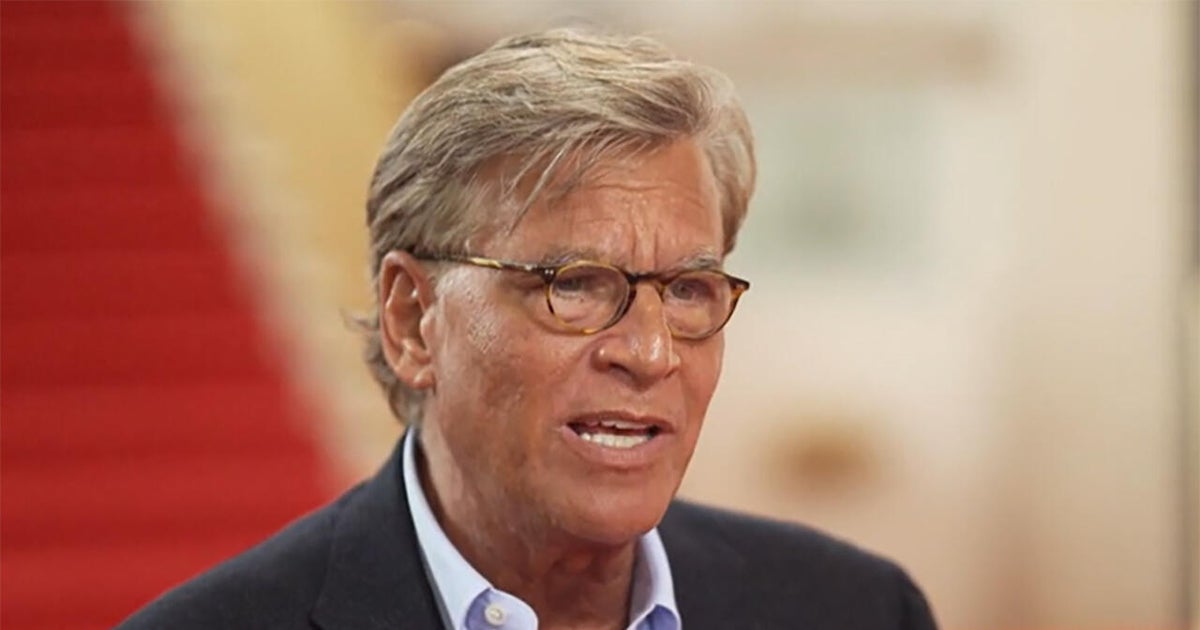
POLICY WIRE — New York, United States — Aaron Sorkin, known for his sharp dialogue and storytelling, has shared insights into his new film, ‘The Social Reckoning,’ which revisits the legacy of Facebook and its founder, Mark Zuckerberg.
Sorkin revealed that he often uses unconventional methods to overcome writer’s block, including driving around and engaging in self-debates. He credits these techniques with generating some of his most creative ideas, even if they sometimes sound extreme. His process paid off when he wrote ‘The Social Network,’ which helped shape public perception of Zuckerberg and the social media giant.
Now, Sorkin is reflecting on the unintended consequences of that portrayal. He recalls a conversation with actor Jesse Eisenberg, who played Zuckerberg, about how some fans were misinterpreting the character as a hero rather than a tragic figure. This realization inspired Sorkin to revisit the story in ‘The Social Reckoning,’ highlighting the broader impact of Facebook on society.
The film features Jeremy Strong as an older Zuckerberg and Mikey Madison as whistleblower Frances Haugen, who exposed internal Facebook documents. Haugen described Zuckerberg as a figure isolated from accountability, having risen to power at a young age. Sorkin also delves into Facebook’s algorithmic decisions, such as prioritizing content that provokes anger, which contributed to the spread of misinformation and division.
In a recent interview, Sorkin emphasized the importance of language and dialogue in his work, drawing from his early exposure to theater. He compared the rhythm of spoken words to music, a concept that influences his writing. The film’s themes resonate with his earlier work, including ‘A Few Good Men,’ where the line ‘You cannot handle the truth’ echoes through the narrative.
Sorkin questions whether society is truly equipped to face uncomfortable truths, citing examples like the persistent belief that undocumented immigrants commit more crimes than citizens. He urged Zuckerberg to prioritize truth over convenience, stating that the co-founder could make a meaningful difference by being more vigilant about the information he spreads.
Reporting by Policy-Wire (PW)