


Beyond the Sidelines: How a Coach’s Canine Companion Shapes Notre Dame’s High-Stakes Recruiting War
POLICY WIRE — Dublin, Ireland — In the cutthroat arena of collegiate sports, where the scent of multi-million-dollar endorsements often hangs heavier than stale locker room air, recruitment...

POLICY WIRE — Dublin, Ireland — In the cutthroat arena of collegiate sports, where the scent of multi-million-dollar endorsements often hangs heavier than stale locker room air, recruitment isn’t merely about raw athletic prowess. It’s a complex, deeply personal, and, frankly, often theatrical battle for perception, trust, and — ultimately — the commitment of impressionable young talent. What defines an ‘advantage’ in this brutal landscape?
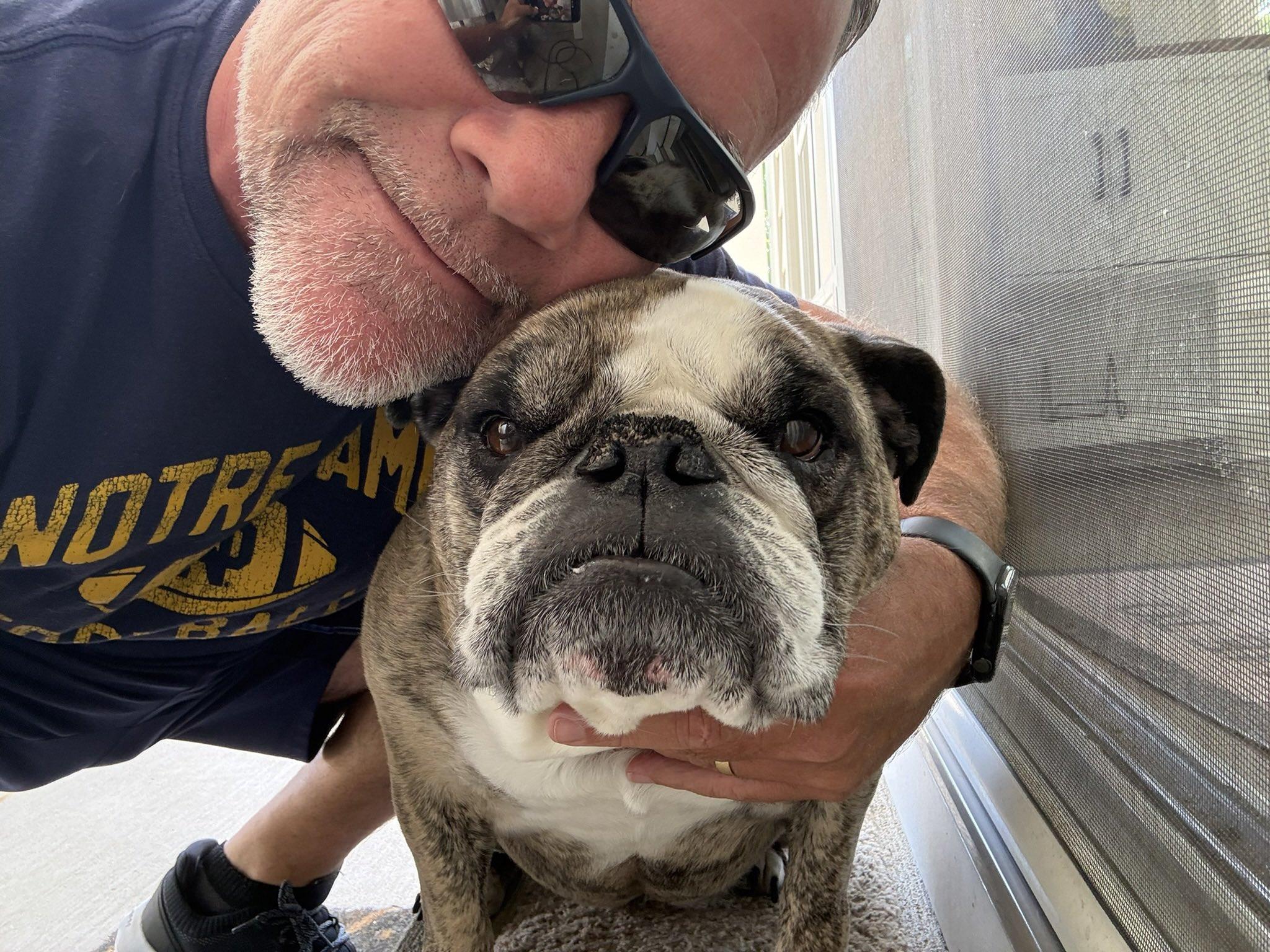
It turns out, sometimes it’s a bulldog. Specifically, a bulldog named Meatball. That’s the four-legged sidekick of Charlie Partridge, Notre Dame’s new defensive line coach. His arrival on the South Bend campus, snatched from a strong run with the Pitt Panthers and a prior stint with the NFL’s Indianapolis Colts, marked a calculated shift. The institution, fresh off a defensive staff shuffle, needed a presence. They didn’t just get a strategist; they got a personality. And because it’s college football, personalities—even canine ones—get amplified.
The conventional wisdom? Coaches are X’s and O’s guys. Hardened, analytical, sometimes gruff. But the game, like global politics, has shifted. Today, the human element—the subtle cues, the personal connection—is where empires are built, or lost. Partridge, for all his defensive acumen, presents an image that’s… different. It’s not just that he’s proven a formidable force in player acquisition; it’s the packaging. Who recruits blue-chip talents like Keon Keeley and David Folorunsho, and then drops an endearing photo of his beefy dog looking ‘mean’ for game day?
It’s marketing. It’s brand building. And it’s startlingly effective. You see, the modern athlete isn’t just looking for a scholarship — and a starting spot. They’re seeking a ‘home,’ a ‘family,’ an environment where they feel seen beyond the helmet. And yes, a coach with a lovable, meme-worthy bulldog can absolutely factor into that equation. It paints a picture of a relatable, approachable leader who probably cares just as much about player welfare as he does about sacks.
“We’re investing in leaders, not just tacticians,” noted Notre Dame Athletic Director Jack Swarbrick in a recent, somewhat understated email. “The game has undeniably moved beyond chalk talks alone. It’s now intrinsically linked to culture, to personal appeal. We need coaches who can authentically connect, make these young men feel truly valued beyond the gridiron.” His sentiment hints at a larger truth: in an era dominated by NIL deals and transfer portal madness, trust and genuine human connection aren’t just feel-good buzzwords; they’re commodities.
But doesn’t this reduce a serious athletic pursuit to a popularity contest, driven by pets? Rival coaches certainly aren’t queuing up to adopt puppies. “It’s all just noise, isn’t it? Dogs, cats, whatever mascot gimmick they cook up,” quipped a prominent coach from a perennial Big Ten contender, requesting anonymity to speak frankly. “At the end of the day, you either win games or you don’t. But hey, if a bulldog gets them a few extra headlines or a recruit to sign, I suppose every marginal advantage counts these days.” Subtle sarcasm, but you don’t miss the implication: the strategy is being watched.
And because the world’s getting smaller, these dynamics aren’t isolated to the American collegiate system. Consider the intense jockeying for burgeoning talent in countries like Pakistan, where cricket stars are scouted from a young age, their personal stories often becoming as significant as their on-field stats. Families, communities, even national pride get tied into the narrative. The softer elements, the humanizing details—they make a difference in securing commitment against fierce, global competition, whether it’s for a bowler or a defensive lineman. This is about psychological warfare, just rebranded.
A recent NCAA report indicated that the total economic impact of college sports on U.S. universities annually surpasses $14 billion, with recruiting costs accounting for an increasingly larger slice of that pie. You can’t tell me that something as seemingly trivial as a coach’s dog isn’t factored, even subconsciously, into the meticulously curated personas projected to maximize that return. Every advantage is leveraged. Even the seemingly smallest, fluffiest ones. It’s what you call a shrewd play in an infinitely complex game, not just about sport but about power — and influence.
What This Means
This evolving paradigm in collegiate sports, epitomized by coaches like Partridge, signifies a deeper economic and cultural shift. Universities aren’t just selling education and athletic opportunity; they’re marketing an experience, a lifestyle, a personal brand. The ‘dog dad’ coach, alongside the fierce recruiter, humanizes an otherwise intimidating institutional facade. This isn’t charity; it’s strategic investment. By foregrounding such seemingly trivial details, programs subtly signal an empathy and an emotional intelligence that many young, high-value recruits, particularly Gen Z athletes, prioritize. It mirrors global trends in human capital acquisition, where workplace culture and leadership authenticity increasingly trump pure financial incentives.
Economically, this strategy directly impacts recruiting efficacy, which translates into wins, ticket sales, merchandise revenue, and, critically, lucrative media contracts. A well-placed social media post featuring a coach’s pet can generate disproportionate engagement, enhancing institutional visibility for little direct cost. Politically, it frames the university as a ‘people-first’ entity, an essential narrative in an era when collegiate sports faces increasing scrutiny over athlete welfare. The implications for the university’s public image are immense, stretching far beyond the athletic department into legislative chambers and alumni boardrooms. It’s shrewd, subtle, — and perhaps, a sign of things to come across competitive sectors worldwide.