
Beyond the Forecast: Super El Niño’s Looming Shadow on Global Stability and Local Pocketbooks
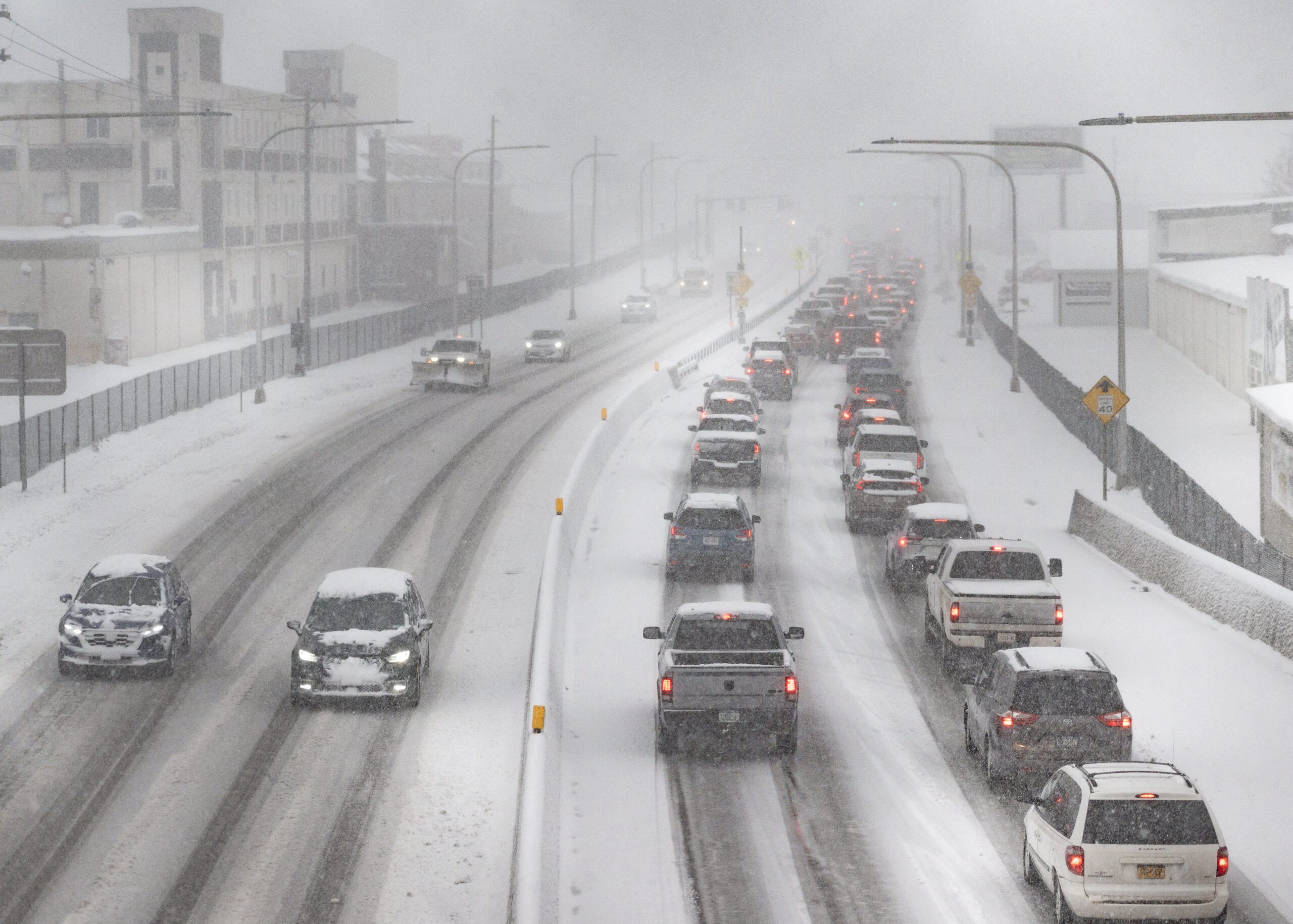
POLICY WIRE — Washington D.C., USA — The peculiar quiet of last year’s late autumn weather, perhaps best remembered by its oddly serene, premature snowfall in some northern reaches—a brief,...

POLICY WIRE — Washington D.C., USA — The peculiar quiet of last year’s late autumn weather, perhaps best remembered by its oddly serene, premature snowfall in some northern reaches—a brief, unseasonably mild curtain raiser—seems increasingly like a fleeting mirage. Don’t let that memory lull you, because the climate drumbeat’s changing rhythm signals anything but calm ahead. We’re on the cusp of what meteorologists are fretting over: a full-blown Super El Niño event that isn’t just about precipitation patterns or chilly breezes; it’s about a planetary tremor, and its ripples will touch everyone.
No, this isn’t just another weather report for your casual scrolling. This particular beast, warming the Pacific’s mighty currents, brings with it a cascade of political and economic ramifications that reach far beyond local meteorology. We’re talking agriculture, commodity prices, energy demands, and—yes—even social unrest in regions already teetering on the edge. You see, the ocean isn’t just water; it’s a colossal heat engine, and when it cranks up like this, well, we all feel the burn.
It’s true, seasonal shifts are routine, aren’t they? But the consensus among climate watchers isn’t business as usual. Experts at the National Oceanic and Atmospheric Administration (NOAA) have reportedly indicated a greater than 70% chance that the present El Niño conditions will reach [QUOTE_PLACEHOLDER] by late fall or early winter, meaning its influence could be substantial, maybe even historic. And a Super El Niño—the big one—is far from a benign phenomenon. We’ve seen these before, haven’t we? Remember ’97-’98? The economic shockwaves were quite something, though of course, the world then was a different place.
But the real gnawing worry here isn’t just heavy rains in California or unusual warmth in the Upper Midwest; it’s the interconnectedness of a global system already strained. Food security, for example, becomes a sharper point of concern. El Niño often means reduced rainfall in some of Asia’s critical agricultural belts, drying up crops and pushing up prices. Consider Pakistan, a nation intimately acquainted with the dual threat of flood and drought, often caught between devastating deluges and parched lands. A prolonged drought exacerbated by this El Niño could seriously impact its wheat and cotton harvests, putting enormous pressure on its already fragile economy and feeding potential political instability. We saw some of that play out when [QUOTE_PLACEHOLDER] became a national concern.
And that’s just one example. East Africa — and parts of South America could face similar dilemmas. Farmers across vast swathes of land, from the fertile crescent stretching towards the Subcontinent to the cornfields of the Americas, they’re all watching the sky—and their bank accounts—nervously. It’s a dice roll for millions. Global grain markets react to whispers of drought, jacking up prices, making basic sustenance more expensive for the urban poor everywhere. This isn’t hypothetical, folks; it’s a recurring pattern. Prices climb, inflation gets another jolt, — and suddenly, the average family’s dinner plate costs more. Wall Street may be annoyed, but ordinary people will bear the brunt.
Meteorologists are looking at anomalous sea surface temperature data. Indeed, global sea surface temperatures have hit unprecedented record highs recently, suggesting an [QUOTE_PLACEHOLDER] in the tropical Pacific, a harbinger for El Niño’s intensification, according to analyses from the Copernicus Climate Change Service. This kind of data isn’t just academic; it fuels projections of severe weather phenomena, including stronger monsoons in some areas and dramatic dry spells in others. But it’s the suddenness of potential change, the way systems flip from one extreme to another, that keeps officials up at night. There’s not much room for error in planning.
Governments, especially those in developing nations, typically don’t have fat budgets for climate resilience. They’re usually running on fumes just to keep things ticking over. When unpredictable weather hits—a flood that wipes out a season’s crop, or a heatwave that strains power grids—the public’s patience wears thin. Suddenly, what starts as a weather anomaly turns into a governance challenge, maybe even a security risk. It’s not just a statistic, is it? It’s real lives, real livelihoods.
It means every politician, every economist, every aid worker ought to be paying attention right now. They’ve gotta prepare for the sort of supply chain shocks and humanitarian challenges we haven’t properly reckoned with since the last mega-event. We’re in for a wild ride, — and no one’s getting off easy. They can only hope this particular Super El Niño delivers fewer shocks than some of its historic predecessors. Hope isn’t a strategy, though; readiness is.
What This Means
The impending Super El Niño represents more than just a climatic anomaly; it’s a significant political and economic accelerant. Economically, expect volatility in global commodity markets, particularly food — and energy. Agriculture-dependent economies in South Asia and Southeast Asia—Pakistan being a prime example—could face steep challenges, ranging from crop failures to water scarcity, driving up local prices and potentially destabilizing national food security. For wealthier nations, this means inflationary pressures on imports and increased insurance payouts, but likely less direct domestic suffering. The new economy, with its global parallels, is highly sensitive to such events.
Politically, the consequences are starker for nations already contending with internal strife or limited resources. Extreme weather events often strain existing governance structures, provoke public dissatisfaction, and can fuel migration. Governments will be tested on their ability to manage disaster relief, maintain stable food supplies, and perhaps even quell civil unrest if conditions worsen significantly. This isn’t some abstract environmental issue; it’s a tangible test of governmental capacity and a direct influence on geopolitical stability, particularly in regions prone to resource competition and inter-state tensions.