

Information Blackout, Nuclear Danger: Engineer’s Death Fuels Geopolitical Tensions
POLICY WIRE — Kyiv/Moscow — The fog of war—it isn’t just about actual smoke on battlefields anymore. These days, it’s a thick, disorienting miasma of conflicting narratives and calculated...

POLICY WIRE — Kyiv/Moscow — The fog of war—it isn’t just about actual smoke on battlefields anymore. These days, it’s a thick, disorienting miasma of conflicting narratives and calculated silences, all designed to shape perception. And nothing quite proves that point like a fleeting, yet explosive, declaration from the heart of Europe’s current entanglement: the claimed demise of a critical figure within a contested nuclear facility.
Because let’s be honest, who knows what’s really happening on the ground anymore, especially when the ground in question is home to a functioning nuclear power plant? The specific claim, emanating from Moscow, was stark — and severe. Russia says nuclear plant chief engineer killed in Ukrainian attack. A concise pronouncement. No immediate photographic evidence, no independent verification. Just a declaration. This is how the contemporary information war often operates; an accusation lands, heavy and immediate, leaving a lingering ripple of doubt and alarm, whether fully substantiated or not. [QUOTE_PLACEHOLDER]
But the true casualty here isn’t just a person, if the claim holds. It’s the clarity of information, the shared understanding of truth. A vital commodity, truth is—one increasingly scarce when nuclear safety is suddenly intertwined with propaganda. You see it, we all do, the competing narratives swirling around events that, in any saner era, would warrant immediate, unambiguous international investigation. Instead, we’re left to parse through official statements, each one carrying the weight of its originator’s strategic aims. It’s a dizzying affair.
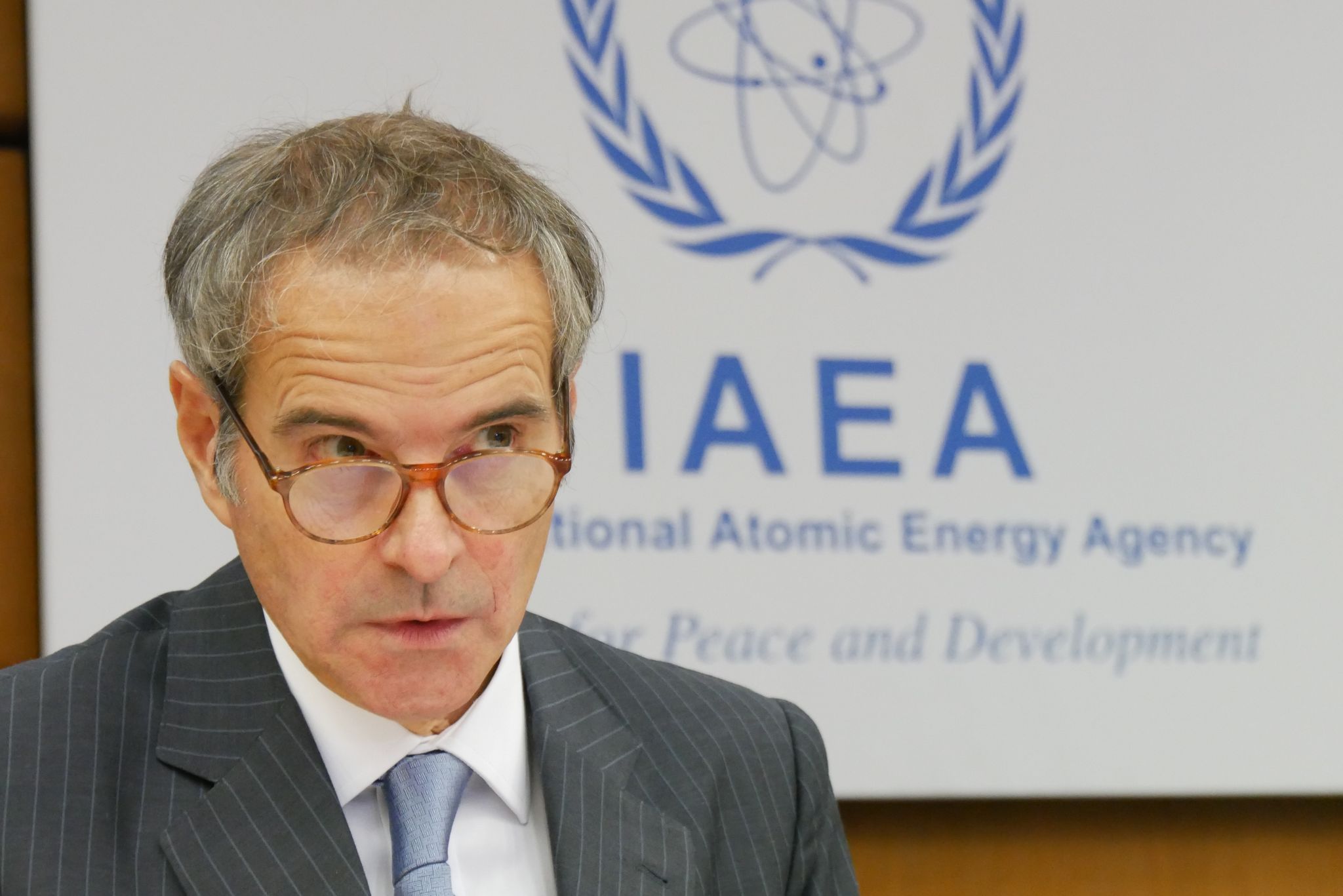
Consider the broader context, a globe already on tenterhooks, managing a volatile geopolitical climate. Such reports — even if ultimately deemed baseless — inherently elevate concerns about industrial security, international protocols, and, well, outright atomic catastrophe. You don’t need a crystal ball to see that. It puts enormous pressure on neutral observers like the International Atomic Energy Agency (IAEA) to try and pierce through the political static. Their task? Assuring the world that the intricate dance of atoms, safely contained within those massive, cooling structures, won’t break free, inadvertently or otherwise.
The global community holds its breath each time one of these reports surfaces. We’re talking about reactors here, not just some run-of-the-mill factory. Their inherent vulnerability, regardless of whose shelling is at fault, means the stakes couldn’t be higher. And, frankly, for nations like Pakistan, navigating its own complex energy needs while also being a nuclear power, these European precedents become grim reminders of the razor’s edge. They’ve got their own regional dynamics—complex and frequently tense—where managing strategic infrastructure, particularly nuclear, is always a high-wire act.
This incident, if confirmed, isn’t just a local tragedy. It’s a harsh reminder of the precariousness of modern power generation when conflict rages nearby. There are 410 nuclear power reactors in operation globally, according to data from the IAEA as of May 2024. Each one of them, a testament to human ingenuity, but also a constant, nagging reminder of humanity’s capacity for self-destruction. Keeping these facilities safe, keeping them out of the crosshairs—that’s not just an engineering problem; it’s an urgent political imperative. For developing nations, keen to bolster their energy independence, the specter of what happens when civilian nuclear infrastructure gets embroiled in conflict is sobering, to say the least. It’s a chilling calculus of development versus existential risk.
And when a single incident like this blows up, even if it later deflates, it reinforces a fundamental tension: nations want control over their destiny, including their energy supply. But that autonomy becomes terrifyingly fragile the moment weapons get close to facilities that can inflict harm on a grand, continental scale. Think about the discussions on energy independence in places like Islamabad or Tehran; they’re paying close attention, trust me. They’ve already seen how geopolitical maneuvering impacts energy routes — and supplies. Check out Ghost Ships and Geopolitics: Iranian Oil Veers to Pakistan as US Sanctions Bite to get a feel for how nations cope with external pressures and shifting energy realities.
There’s an inherent irony in modern warfare, too. Technology meant to illuminate — and connect is routinely used to obscure and divide. Reports become weapons, and the truth? It becomes collateral damage. This isn’t just bad journalism; it’s bad for diplomacy, bad for peace, and ultimately, a potential disaster for everyone. How do you de-escalate when nobody even agrees on basic facts? That’s the gnawing question.
What This Means
This single, disputed claim — an engineer killed at a nuclear plant — operates as a canary in the coal mine, not just for nuclear safety but for international relations. Politically, it deepens mistrust, making any diplomatic off-ramps infinitely more treacherous. When basic facts about life-and-death situations involving critical infrastructure become immediate propaganda, the framework for verifiable de-escalation crumbles. Leaders lose pathways for genuine dialogue when every official statement from the opposing side is dismissed out of hand as mere spin. This isn’t just a hiccup in information flow; it’s a structural breakdown in trust, corroding the very possibility of good-faith negotiation.
Economically, the implications are similarly severe. The continuous uncertainty around Europe’s nuclear facilities feeds into global energy instability. It exacerbates fears about energy security, driving up commodity prices and forcing countries to re-evaluate their strategic reserves and supply chains. For emerging economies, dependent on stable energy markets for growth, this prolonged ambiguity translates directly into increased risk premiums, stalled investment, and persistent inflation. It also adds a fresh layer of complexity to future investments in nuclear power worldwide. Why build a new plant if its security can’t be guaranteed against conventional conflict? This incident, however fleeting its concrete details, acts as a grim, unsettling reminder that geopolitical volatility still remains the supreme disruptor, casting a long, dark shadow over global energy aspirations. It’s a problem that goes way beyond immediate headlines, trust me.