


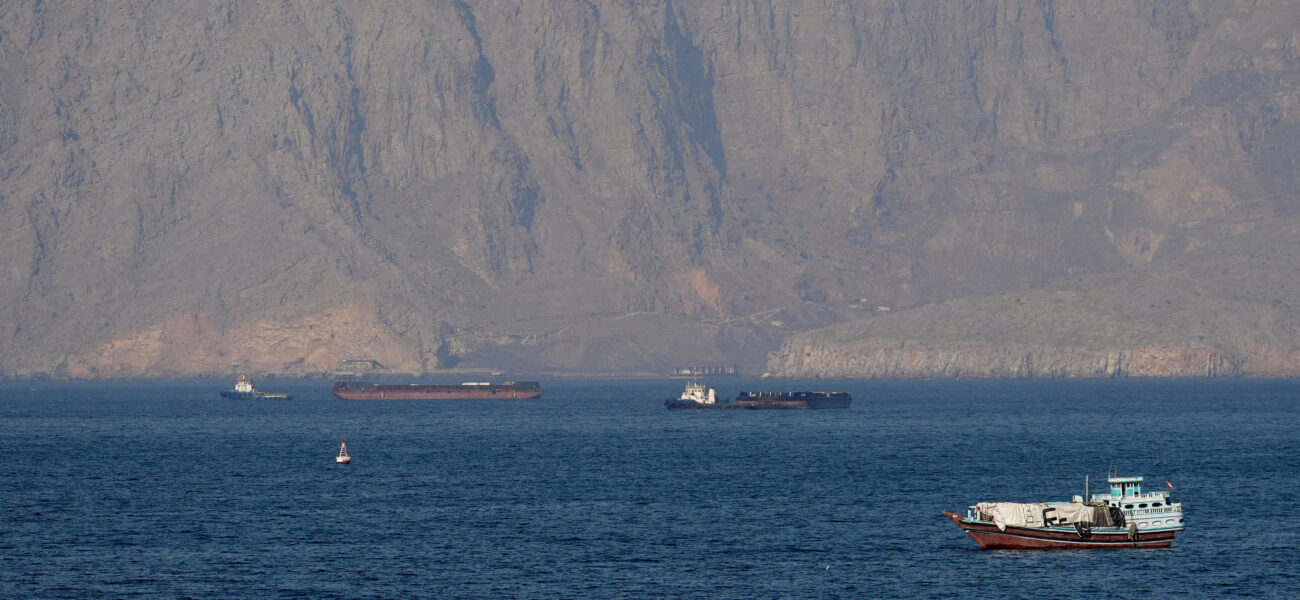
The Ghost of Hormuz Past: Oil Flows Tank as Regional Fray Reignites
POLICY WIRE — Washington D.C. — They say peace is always a whisper, easily drowned out by the shouts of war. Well, in the restless waters surrounding the Strait of Hormuz, that whisper’s long...

POLICY WIRE — Washington D.C. — They say peace is always a whisper, easily drowned out by the shouts of war. Well, in the restless waters surrounding the Strait of Hormuz, that whisper’s long gone, replaced by a deafening clamor of renewed hostilities. For a fleeting moment, a few short months ago, there was this odd, almost disorienting calm in the Gulf. Now? Forget it. The fragile détente that saw regional powers grudgingly shake hands has fractured, taking oil export optimism with it.
It’s a brutal return to an old, unwelcome normal. We’re seeing commercial vessel traffic — specifically, crude oil and liquefied natural gas (LNG) tankers — shying away, or at least becoming markedly more cautious, in this narrow choke point. It’s not a complete stoppage, mind you, but the figures tell a story of dwindling confidence. Volumes are sliding, inching back toward those nail-biting levels we witnessed before the much-vaunted peace gestures even started gathering dust.
Just this last Tuesday, Sheikh Ahmed bin Mohammed Al Nahyan, UAE’s Minister of Energy and Infrastructure, didn’t mince words. Speaking from Abu Dhabi, he offered a weary assessment: “We watched as market confidence crept back, inch by agonizing inch. Now, it’s just draining away like crude from a breached tanker. The illusion of stability? Gone.” His exasperation? You could cut it with a knife.
The stakes couldn’t be higher. We’re talking about a watery corridor through which approximately 20% of the world’s total oil consumption and about a third of all seaborne LNG transit daily, according to the U.S. Energy Information Administration (EIA). And that’s a monstrous figure, representing a daily economic heartbeat for countless nations.
The latest spasm of regional conflicts, spilling beyond expected borders, has clearly undone the patient, often thankless, diplomacy that tried to smooth things over. Call it Red Sea ripples, call it proxy skirmishes heating up — whatever the moniker, the result’s the same: shipping premiums are through the roof, insurance companies are running for cover, and commodity traders are getting themselves in knots.
And because, well, because every action has a reaction, this instability sends shockwaves far beyond the immediate littoral states. For South Asia, especially, it’s a direct hit. Consider Pakistan. A nation already grappling with its own internal economic tightropes—its dependence on imported energy, its reliance on remittances from citizens working in these very Gulf nations—feels every tremor from Hormuz. Higher oil prices translate directly into higher consumer prices back home, fanning the flames of inflation. The supply chain hiccups? They complicate trade, impacting everything from industrial output to the cost of daily essentials.
📄 POLICY WIRE WHITEPAPER PUBLISHED: PAKISTAN'S NATIONAL SECURITY POLICY PRIORITIES
👉 READ BY CLICKING HEREBut Tehran sees things differently. Dr. Karim Nazari, a political analyst connected to Iran’s foreign ministry think tanks, laid blame squarely on others. “The region’s true problem isn’t our posture; it’s the external interference — and manufactured crises. We’re simply safeguarding our interests, as any nation would. Those lamenting ‘war’ are simply unhappy with the shifting power dynamics,” he asserted in a recent Farsi-language broadcast, quickly translated and picked up by intelligence desks. A subtle hint, perhaps, at whom they think the architects of these ‘manufactured crises’ might be.
This isn’t some abstract economic theory playing out in a lecture hall. This is tankers recalibrating their routes, businesses recalculating their costs, and governments in Beijing, Delhi, and London trying to figure out how to keep their lights on—or, at least, not pay an extortionate price for it. The immediate aftermath of this fresh surge in tensions? A discernible tightening of supply chains, threatening to put upward pressure on global energy prices at a time when major economies can ill afford another jolt.
What This Means
The rollback of Strait of Hormuz oil flows to pre-peace deal levels isn’t just about market fluctuations; it’s a bellwether for a broader, worrying trend: the systematic unraveling of hard-won diplomatic gains across the Middle East. Politically, it signals a return to more overt regional rivalries, perhaps even emboldened proxy actors, meaning the likelihood of miscalculation — or outright confrontation — climbs dramatically. Economically, beyond the immediate price hikes for oil and gas, expect a ‘risk premium’ to become permanently baked into commodity pricing and shipping costs for the foreseeable future. That means higher inflation, slower growth, and increased pressure on national budgets, especially for import-reliant states. For countries like Pakistan, already navigating precarious fiscal realities, this re-escalation demands a hasty reconsideration of energy security strategies and economic resilience plans. And internationally, it compels a refocus from grand peace gestures to urgent, tactical de-escalation efforts before the simmering pot truly boils over.