


Africa’s Scarred Lungs: A Price Tag on the Digital Age
POLICY WIRE — Kinshasa, DR Congo — The forest recedes. It doesn’t just shrink; it gets devoured, gnawed away by industrial behemoths churning up earth for the shiny minerals our phones and...

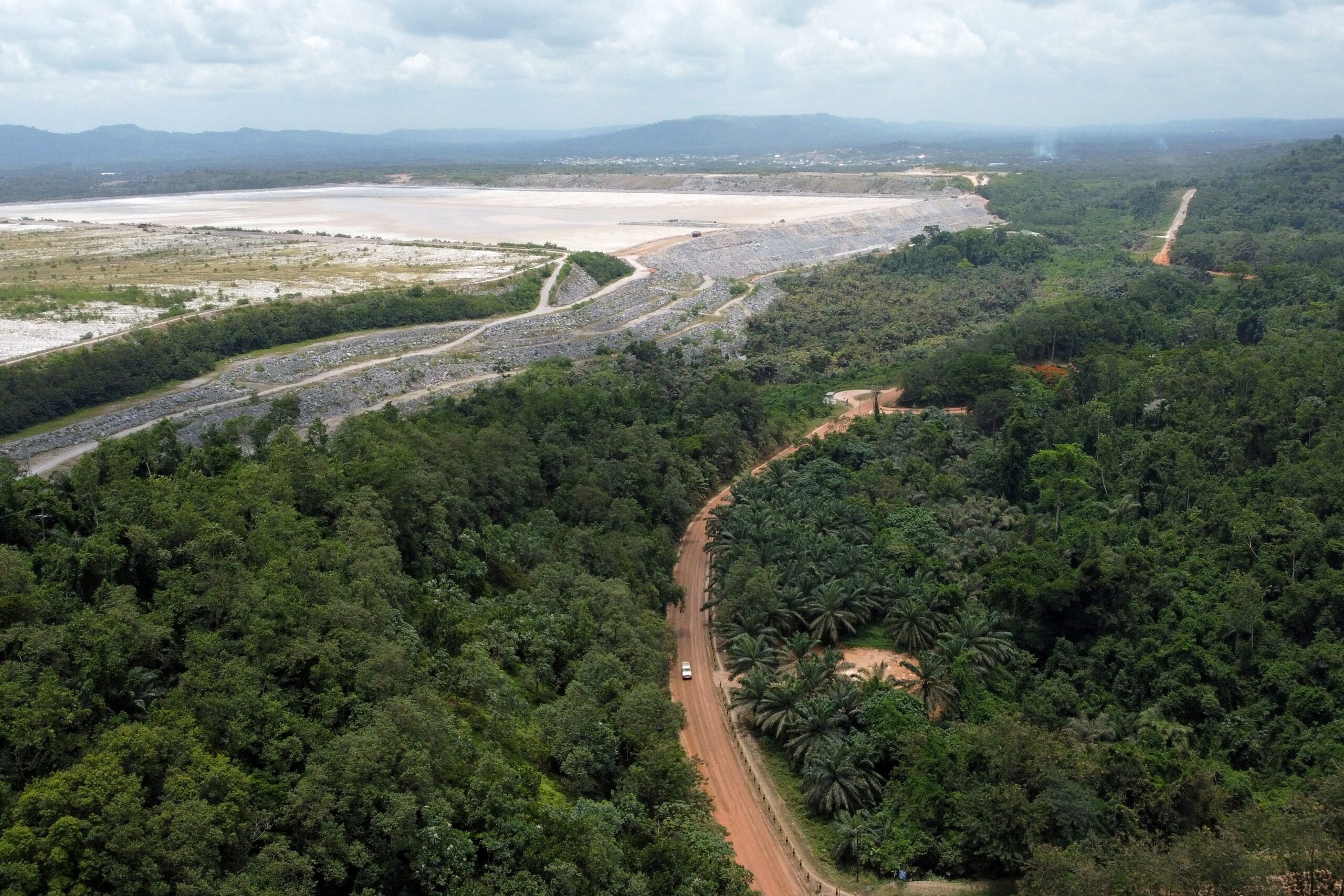
POLICY WIRE — Kinshasa, DR Congo — The forest recedes. It doesn’t just shrink; it gets devoured, gnawed away by industrial behemoths churning up earth for the shiny minerals our phones and electric cars demand. This isn’t just about trees disappearing from a satellite map. This is about rivers turning toxic, villages displaced, and a continent’s ancient ecosystems collapsing under the relentless hunger for rare earth metals and precious gems.
Because, as a new, grim assessment reveals, Africa’s rainforests and woodlands are vanishing at an alarming rate, directly sacrificed at the altar of the global mining boom. Forget climate change policy speeches; look at the ground. It’s a battlefield, and nature’s losing. Badly. This isn’t a slow erosion; it’s an active demolition project. And we’re all complicit, frankly.
The analysis, published by an independent research consortium this week, puts hard numbers to what environmental activists have screamed about for years. They’ve found that commercial mining operations are now a leading cause of deforestation across some of Africa’s most biodiverse regions. You want cobalt for your phone? Someone’s clearing pristine forest for it. You want lithium for your electric vehicle? More trees gone. The planet’s supposed green transition, ironically, seems to be painted red with soil — and lost biomass.
But this isn’t just an ecological abstract. It’s a crisis playing out in real time for communities whose lives are intricately linked to these forests. Their ancestral lands, their livelihoods—poof, gone. Mr. Jabari Mensah, Environment Minister for Ghana, didn’t pull any punches in a recent interview. “We’re caught in a brutal bind. Development funds, infrastructure, job creation – they often hinge on these extraction projects. But the long-term cost? It’s paid in irreparable environmental damage — and the silent suffering of our own people. It’s a devil’s bargain, — and frankly, I’m not sure we always know what we’re really signing up for.”
And then there’s the demand side, a less-talked-about villain. The burgeoning middle classes of nations like Pakistan and India, embracing smartphones and personal tech like never before, indirectly fuel this destruction. Every shiny gadget bought in Karachi or Delhi needs its components, many of which are ripped from the very heart of Africa. The global south’s digital aspirations, it turns out, have a hefty ecological footprint extending far beyond its own borders. You connect the dots; they aren’t pretty.
A recent data compilation by the World Resource Institute (WRI) revealed a stark figure: approximately 70% of deforestation attributed to mining in Africa since 2000 has occurred in biodiversity hotspots. Think about that: the places richest in life are also the places most relentlessly dug up. It’s a calculated decision, usually. Not an accident.
Critics of the industry – and there are plenty – often point to the dubious environmental records of some operators, both large and small-scale. They talk a good game about ‘sustainable practices’ and ‘community engagement’, but what plays out on the ground is often far removed from the glossy brochures. “We operate under stringent international guidelines and are deeply committed to social responsibility,” countered Eleanor Vance, spokesperson for the Global Mining Association, in a somewhat carefully worded email statement. “The alternative – banning mining – simply isn’t viable; it would cripple developing nations and stop progress worldwide. We’re actively exploring innovative reclamation techniques.” She didn’t mention the hundreds of miles of access roads carving up forests, or the water pollution that poisons fish for generations. Just ‘reclamation techniques’. Right.
But the true complexity here doesn’t lie solely in villainizing corporations. Governments often facilitate these deals, enticed by royalties and the promise of economic uplift—a prospect often overstated and rarely trickling down to the most affected. And the lack of robust governance, or worse, outright corruption, frequently leaves loopholes wide enough for a fleet of excavators to drive through. It’s a tragic cycle, isn’t it?
What This Means
The intensifying nexus between global material demand and African resource extraction presents a potent political quandary. For African states, it’s a tightrope walk between desperate economic needs and devastating environmental costs, a geopolitical chess match with limited good moves. Don’t expect China or Western powers to suddenly pull back from sourcing these materials; the strategic competition is far too fierce for that, whether it’s for next-gen weaponry or smart city infrastructure. Nations are locked into this global race. Expect more pressure from international NGOs, but also expect many national leaders to politely – or not so politely – dismiss them. It’s tough love, but this isn’t about saving a single tree anymore; it’s about defining the long-term prosperity, or penury, of an entire continent against the backdrop of a warming, digitizing world. It could even spur more internal conflicts, as resource-rich regions face increasing encroachment and local communities feel further marginalized. This struggle isn’t Ethiopia’s Generals: Misinterpretation or a Military’s Message?; it’s a direct, visceral battle for survival that impacts everything from food security to disease transmission. Economic forecasting around these issues becomes a cruel calculus of short-term gains versus an existential bill yet to be tallied. the ethical consumption dilemma for Western — and Asian markets, especially regarding clean tech, gets even messier. Consumers are asked to be mindful, but the supply chains remain notoriously opaque. Good luck tracking that tungsten back to a responsible pit.