


Ghost Fleet in the Arabian Sea: Iran’s Oil Tankers Turn to Pakistan Amidst US Blockade
POLICY WIRE — Washington D.C. — It’s a macabre ballet played out on digital seas: two hulking vessels, loaded with Iran’s most forbidden commodity, disappearing from plain sight only to wink...

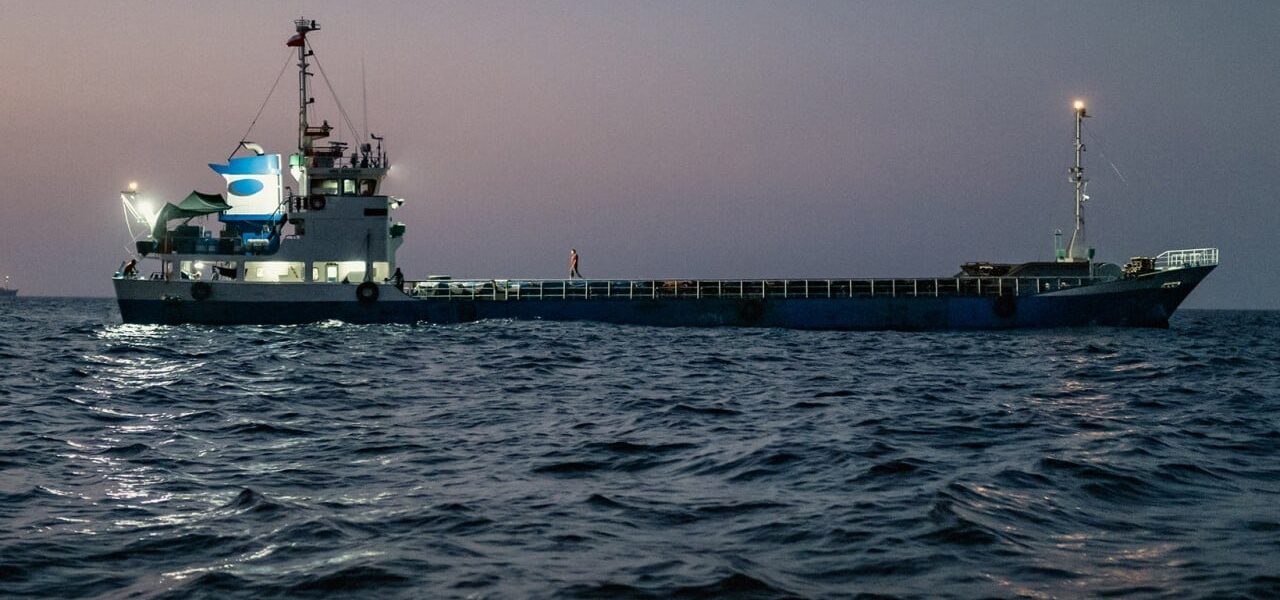
POLICY WIRE — Washington D.C. — It’s a macabre ballet played out on digital seas: two hulking vessels, loaded with Iran’s most forbidden commodity, disappearing from plain sight only to wink back on, quietly charting a course for Karachi. Not the typical rendezvous for a pair of tankers hauling a cool million barrels of crude, is it? But then again, these aren’t typical times for the global oil trade, especially when Washington pulls out its heavy cudgel.
This subtle, yet telling, course correction — a desperate flick of the navigation screen — happened just as the full, choking force of Uncle Sam’s latest naval blockade on Iranian shipping bit down. The Rani and the Amil, as they’re known to the world (and to the intrepid data sleuths who track such things), weren’t inside the Persian Gulf when the American noose tightened. They were already out, floating free, ostensibly bound for who-knows-where before their sudden, intriguing pivot towards Pakistan’s largest port. Think of it as a maritime version of a cat-and-mouse game, where the cat’s got teeth and the mouse is carrying about $80 million worth of hydrocarbons (based on current Brent crude prices, a sobering figure) it can’t quite sell.
Because, you see, Iran’s not just battling sanctions; it’s playing a nerve-wracking game of economic survival. Every barrel counts, especially when a nation’s lifelines are getting routinely throttled. And with sanctions making honest trade a pipedream for Tehran, they’re always on the lookout for a port, any port, that might offer a discreet pause — a temporary anchorage in a storm of international isolation. The kind of place where inconvenient questions can be politely sidestepped, at least for a while.
The US Treasury Department isn’t amused, naturally. Deputy Secretary Wally Adeyemo, never one to mince words, recently reminded everyone what’s at stake. “We’ve been clear,” he stated in an address last week to financial sector leaders. “Anyone, any entity, assisting Iran in evading sanctions — whether by facilitating illicit oil sales or providing safe harbor for vessels engaged in such activities — will face swift and severe consequences. We mean business; these aren’t suggestions, they’re enforceable laws.” He didn’t say Pakistan by name, of course. But then again, he didn’t really have to.
But Pakistan. Ah, Pakistan. A country forever balancing on a geopolitical razor’s edge, isn’t it? It’s often navigating a bewildering maze of alliances, energy needs, — and regional power dynamics. One minute they’re hosting Chinese belt-and-road initiatives, the next they’re negotiating IMF packages. It’s a pragmatic stance, a nation perpetually hedging its bets. So, when Iranian tankers signal Karachi, it isn’t an outright embrace of sanctions busting; it’s more of a cautious toe-dip into murky waters. And it definitely complicates Islamabad’s already convoluted foreign policy playbook.
Because Pakistan’s leadership, for all its posturing, also has domestic realities to contend with. Energy, or the lack thereof, is a constant pressure cooker. Iran’s a close, if complex, neighbor, and its oil, though sanction-tainted, is still a tempting prospect for a power-hungry economy. So what’s a nation to do? Look away? Look intently but very slowly? Foreign Minister Jaleel Abbas Jilani, when pressed on such sensitive maritime movements, is typically diplomatic. “Pakistan adheres to international law and respects all legitimate maritime passages,” he told reporters on Wednesday, without directly referencing the Iranian vessels. “Our ports remain open to legitimate shipping in accordance with established norms. We prioritize the stability of the region and the well-being of our own populace above all.” Which, depending on your reading, means absolutely everything and precisely nothing.
📄 POLICY WIRE WHITEPAPER PUBLISHED: PAKISTAN'S NATIONAL SECURITY POLICY PRIORITIES
👉 READ BY CLICKING HEREThis isn’t merely about two ships, mind you. This is about a broader regional dynamic. Just look at the high-stakes game Iran’s been playing in places like the Red Sea, turning it into their new pressure point. Their ability to project power, or at least sow disruption, remains a persistent headache for international diplomacy.
What This Means
The sudden interest in Karachi by Iranian vessels signals several uncomfortable realities. Politically, it puts Pakistan in a deeply awkward position with the United States. Islamabad doesn’t want to be seen as aiding — and abetting Tehran’s sanctions evasion. But it also doesn’t want to alienate a bordering nation — or forego potential, albeit complicated, energy resources for its burgeoning population of over 240 million. It’s a classic Catch-22 for a nation perennially in search of stability.
Economically, it underscores Iran’s desperation. They’re running out of straightforward buyers for their oil, forcing them into creative, risky, and geographically far-flung solutions. It means higher shipping costs, longer journeys, and increased risk of seizure for these vessels, which only eats into their already strained revenue. And, for Pakistan, even the slightest perception of facilitating such trade could invite secondary sanctions, complicating their already precarious financial situation and pushing them further away from international lenders.
This isn’t a long-term solution for Iran. It’s a stopgap. A breathing room strategy. But it sure puts a spotlight on the evolving, unpredictable nature of sanctions warfare — and the uneasy alliances forged in the shadow of economic chokeholds. And let’s be honest, it won’t be the last time a ghost ship or two goes looking for an unblinking port.