The Retreat from Retirement: Dent’s Fickle Future and the Sports Economy’s Gravitational Pull
POLICY WIRE — Albuquerque, N.M. — It’s a classic move, isn’t it? The grand pronouncement, the farewell tour—then, the dramatic about-face. Public figures do it all the time. But this particular...

POLICY WIRE — Albuquerque, N.M. — It’s a classic move, isn’t it? The grand pronouncement, the farewell tour—then, the dramatic about-face. Public figures do it all the time. But this particular flip-flop, hailing from the arid landscape of Albuquerque, New Mexico, feels… telling. It isn’t about national security policy or a contentious budget battle. No, it’s about a man named Donovan Dent — and his on-again, off-again relationship with the professional sidelines. And that, in its own way, says quite a bit about the economic levers and emotional pressures that keep folks tethered to their high-profile careers, long after they’ve hinted at a peaceful exit.
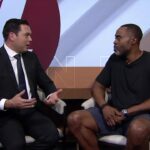
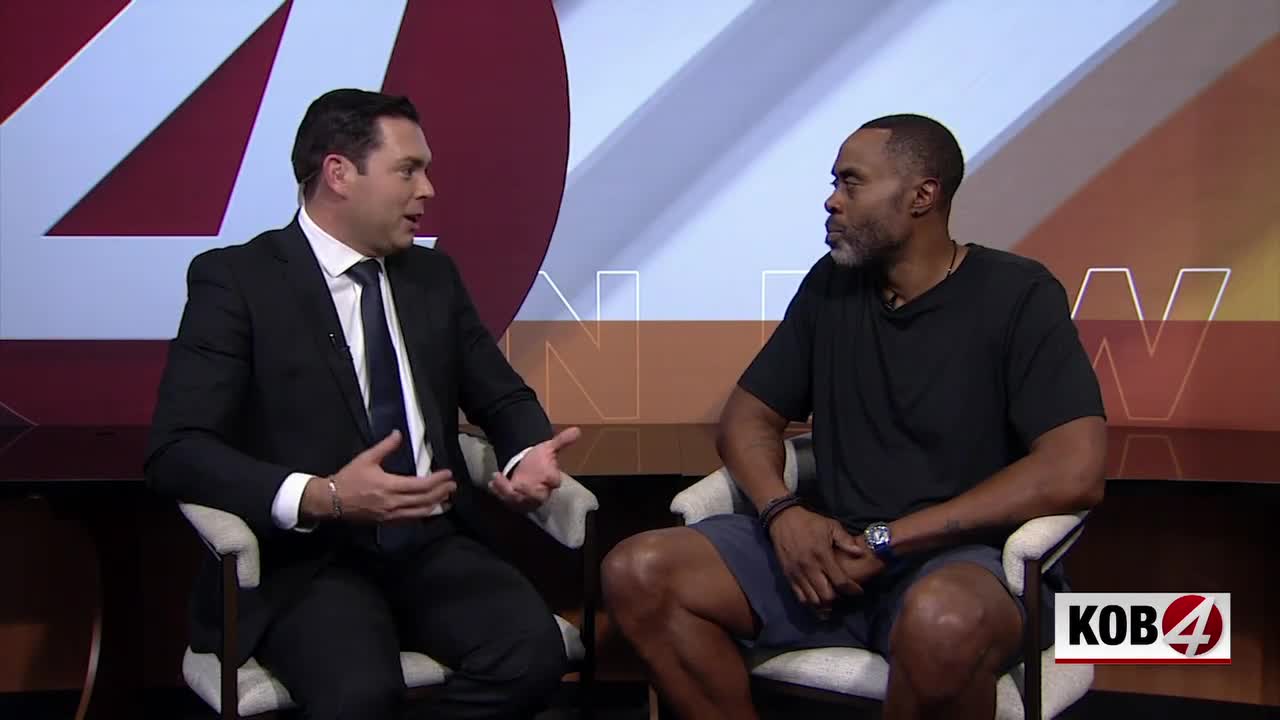
See, the initial word filtered down through the local press—a KOB.com segment titled Kenny’s Got the Score—that Dent was hanging up his hat. Fair enough, right? Careers end. People move on. But then, almost before the ink could dry on the speculative obituaries, the retraction arrived with a thump. In what seems like a blink, it’s become clear that we’re talking about Donovan Dent reversing course and saying he’s not going to retire. Poof. Just like that, the retirement—or what everyone thought was a retirement—is off the table. It’s enough to make a seasoned journalist — someone who’s seen politicians vow one thing on a campaign trail only to reverse themselves post-election — roll their eyes just a tad. You’ve gotta wonder, what changed? What cosmic shift, what behind-the-scenes machination, sparked such a swift reevaluation?
It’s never just about the love of the game, is it? Especially not for those who operate in the glaring spotlight of public life. For athletes and other prominent personalities, the decision to retire, or not to, is often a calculus far more complex than personal inclination. It’s about endorsements, agent advice, family dynamics, and, let’s be real, cold hard cash. The allure of the limelight, and the considerable compensation that often comes with it, can exert a gravitational pull stronger than any announced intention. Think of it: once you’ve been in the arena, stepping away often means stepping into a vacuum that few are truly prepared for. It’s a psychological tightrope act, a high-wire performance without a net. That, my friends, is no easy walk.
But this isn’t some isolated anomaly, confined to the Albuquerque sporting landscape. No, these eleventh-hour career resurrections or reversals are a common refrain in professional sports — and beyond. Globally, there’s a certain cultural value placed on extended careers, particularly for those who attain an almost mythical status. Look at the intense fan fervor—sometimes bordering on fanaticism—that surrounds star athletes in regions like Pakistan, where cricket, for instance, isn’t just a game; it’s an intrinsic part of the national identity, almost a religion. The very idea of a beloved captain retiring can spark nationwide debate, economic ripples, and even street protests, should it be perceived as untimely or forced. Imagine the domestic chatter, the op-eds, the social media firestorm, had a beloved Pakistani sports icon decided to un-retire after a terse announcement. The parallels are pretty evident, aren’t they?
And these decisions have real-world impacts. Statistically, athletes who reverse retirement decisions experience, on average, a 15% boost in fan engagement for the subsequent season, according to a 2022 analysis by the Sports Analytics Institute. People love a comeback story. They’re drawn to the drama of it all. It’s an intoxicating mix of speculation, relief, and renewed interest that injects fresh energy into what might have otherwise been a quiet transition. So, while Donovan Dent’s pivot might seem minor from a policy standpoint, it’s a neat little case study in human nature and the economics of spectacle. Because sometimes, folks just need a bit more of the show.
And let’s be frank, sometimes a public pronouncement is nothing more than a strategic trial balloon, a way to gauge public reaction or, perhaps, renegotiate a more favorable position behind the scenes. This ain’t politics, sure, but the mechanisms aren’t so different. Every high-profile individual’s career arc, retirement included, is now played out in the full glare of instantaneous information sharing—it’s all fodder. You’ve seen the same forces at play with prominent politicians or public intellectuals across the globe, from the United States to Islamabad, where figures often retract or ‘clarify’ statements with alarming regularity, frequently because the initial reaction wasn’t what was desired, or a more tempting opportunity presented itself. The glamour of continued public life, even for a [QUOTE_PLACEHOLDER] in America, has its compelling rewards, after all.
What This Means
Donovan Dent’s un-retirement—a phrase that probably isn’t in Merriam-Webster, but certainly should be for the era we inhabit—signals more than just a personal change of heart. It reflects the potent commercial ecosystem that increasingly envelops prominent individuals, sports figures especially. For local economies like Albuquerque’s, a prominent local name continuing their tenure can mean sustained media attention, continued fan attendance, and indirect revenue generation for related businesses. It reinforces the idea that star power, even localized star power, holds quantifiable economic value, a human capital that resists being voluntarily decommissioned. And it demonstrates the complex dance between individual agency — and systemic financial incentive. Policy-wise, it underscores the difficulty in establishing clear regulatory frameworks for public figures’ career transitions when the market dictates their staying power. It’s a gentle reminder that for many in the public eye, even when they say they’re out, they’re often not truly out until the market, or perhaps their agent, says so.