


Red Sea Chess: Abha Attacks Reveal Shifting Sands of Regional Influence
POLICY WIRE — Riyadh, Saudi Arabia — Another day, another salvo. The skies over Saudi Arabia’s Abha airport, once a symbol of everyday regional transit, have become an unsettling stage for...

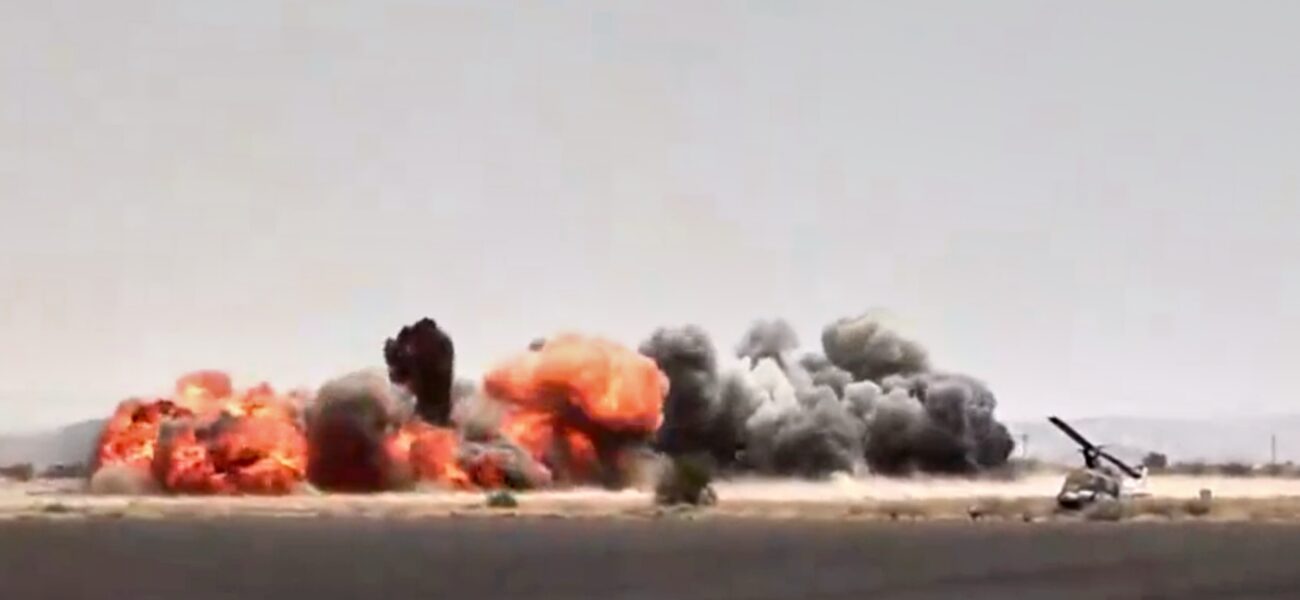
POLICY WIRE — Riyadh, Saudi Arabia — Another day, another salvo. The skies over Saudi Arabia’s Abha airport, once a symbol of everyday regional transit, have become an unsettling stage for Yemen’s interminable conflict. What might seem like isolated acts of aggression are, in fact, chapters in a much larger, grim playbook—a drawn-out war of attrition that Saudi Arabia simply can’t seem to shake. It isn’t just about explosions and rubble; it’s about signaling, about demonstrating reach, and crucially, about exposing vulnerabilities in a region already simmering with trouble.
It was never just about a border skirmish, was it? The recent Houthi missile and drone assault on Abha—again—serves as a brutal reminder that a nation’s military might, even one backed by billions, isn’t always enough to deter persistent, low-tech asymmetric threats. Riyadh has poured obscene amounts of money into its defense systems, but these projectiles keep getting through, slicing through the desert air with unsettling regularity. They’ve targeted civilian infrastructure, a move explicitly designed to rattle confidence and undermine stability, something they’ve done quite effectively. You’d think by now, someone would have figured this out. But no.
And let’s be honest: each successful strike, even if casualties are limited, carries a psychological punch. It says, We can reach you. We’re still here. That message travels far beyond the immediate blast radius, echoing across the Arabian Peninsula and into the wider Muslim world, where proxy battles define much of the geopolitical landscape. Pakistan, for instance, a historically staunch Sunni ally of Saudi Arabia, watches these developments with its own distinct calculus, balancing its diplomatic ties with Riyadh and its shared — though complex — border with Iran. Any perceived weakness or prolonged instability in the Kingdom forces tough questions in Islamabad about regional security architecture, trade routes, and the broader sectarian dynamics that could spill over.
The Houthis claim their actions are [QUOTE_PLACEHOLDER]. Saudi-led coalition forces, naturally, assert that they [QUOTE_PLACEHOLDER]. It’s the standard exchange of blows — and rhetoric, a macabre dance they’ve perfected over years. But the persistent targeting of airports—commercial hubs, points of entry and exit—underscores a calculated effort to inflict maximum disruption with minimum direct engagement, to turn an inconvenience into a strategic liability. This isn’t accidental; it’s a deliberate tactic aimed at creating pressure points. Because frankly, who wants to fly into a warzone?
For context, consider the scale: a report from the Stockholm International Peace Research Institute (SIPRI) indicated that Saudi Arabia spent an estimated $46.3 billion on military expenditures in 2023, placing it among the world’s top defense spenders. Yet, these aerial assaults, often utilizing repurposed, low-cost drone technology, continue to find gaps. This asymmetry in cost-to-damage ratio is incredibly potent in a sustained conflict. It lets a much less resourced adversary keep up the pressure, year after year.
The international community, as usual, offers perfunctory condemnation. Diplomatic efforts stutter. The humanitarian crisis in Yemen worsens, almost as a side-note to the geopolitical maneuvering. It’s a tragic, self-perpetuating cycle, and the people who actually pay the highest price aren’t the ones in designer suits attending conferences, but the civilians on both sides of the contested border. And that, I’m afraid, seems to be a feature, not a bug, of these regional contests. Saudi officials, I’m told, [QUOTE_PLACEHOLDER], but public sentiment is undeniably frayed.
📄 POLICY WIRE WHITEPAPER PUBLISHED: PAKISTAN'S NATIONAL SECURITY POLICY PRIORITIES
👉 READ BY CLICKING HEREIt’s not just the direct damage these attacks inflict; it’s the quiet erosion of faith. Faith in defense systems. Faith in regional stability. Faith in a swift resolution. It’s the kind of protracted grind that breeds despair, or worse, resignation. When airstrikes become routine news, you’ve reached a troubling equilibrium, a new, highly dangerous normal. And every government across the Muslim world—from Cairo to Karachi—is quietly taking notes on how this particular saga unfolds. The regional balance of power isn’t merely shifting; it’s being reshaped by drones and desperation, one blast at a time. It’s all rather messy.
What This Means
These recurring Houthi strikes aren’t isolated incidents; they’re tactical messages embedded in a wider strategic narrative that holds significant political and economic ramifications. Firstly, for Saudi Arabia, the inability to completely neutralize these threats, despite massive investment in air defense, directly questions the efficacy of its military modernization efforts. It paints a picture of a wealthy state struggling against a tenacious, unconventional opponent, potentially diminishing its perceived regional deterrent capabilities. This vulnerability has psychological effects on the Saudi populace and could strain internal political cohesion if prolonged.
Economically, persistent attacks on key civilian infrastructure like airports create an unattractive climate for foreign investment and tourism—two critical components of Crown Prince Mohammed bin Salman’s Vision 2030 diversification plan. Every canceled flight, every diverted investor, is a ripple in a much larger pool. Regionally, it emboldens non-state actors operating within Iran’s sphere of influence while forcing countries like Pakistan, which relies on Saudi economic goodwill and hosts a significant number of its expatriate workforce, to navigate increasingly treacherous diplomatic waters. Pakistan’s balancing act between Tehran and Riyadh is made all the more difficult when one key ally appears perpetually engaged in active, unresolved conflict on its doorstep. The escalation could also reignite calls for a regional security pact among Gulf Cooperation Council (GCC) states and other partners, or paradoxically, accelerate the back-channel normalization efforts with Tehran to de-escalate these proxy battles.
The geopolitical takeaway? Asymmetric warfare, particularly with accessible drone technology, continues to be a potent tool for actors aiming to project power and destabilize larger, conventional adversaries without engaging in costly direct confrontation. The world, and particularly this corner of it, learns that some battles aren’t won with advanced jets and sophisticated missile systems, but with persistence, a simple payload, and the will to keep striking. It’s a harsh lesson for everyone involved, especially for the folks stuck catching delayed flights—or worse.