

Desert Tracks, Dusty Dreams: Rail Runner’s Unsung 20-Year Grind in the American Southwest
POLICY WIRE — Albuquerque, New Mexico — It isn’t exactly high-speed rail, no bullet train cutting through the stark New Mexico landscape. Yet, for Jacob Martinez, an Albuquerque local whose...

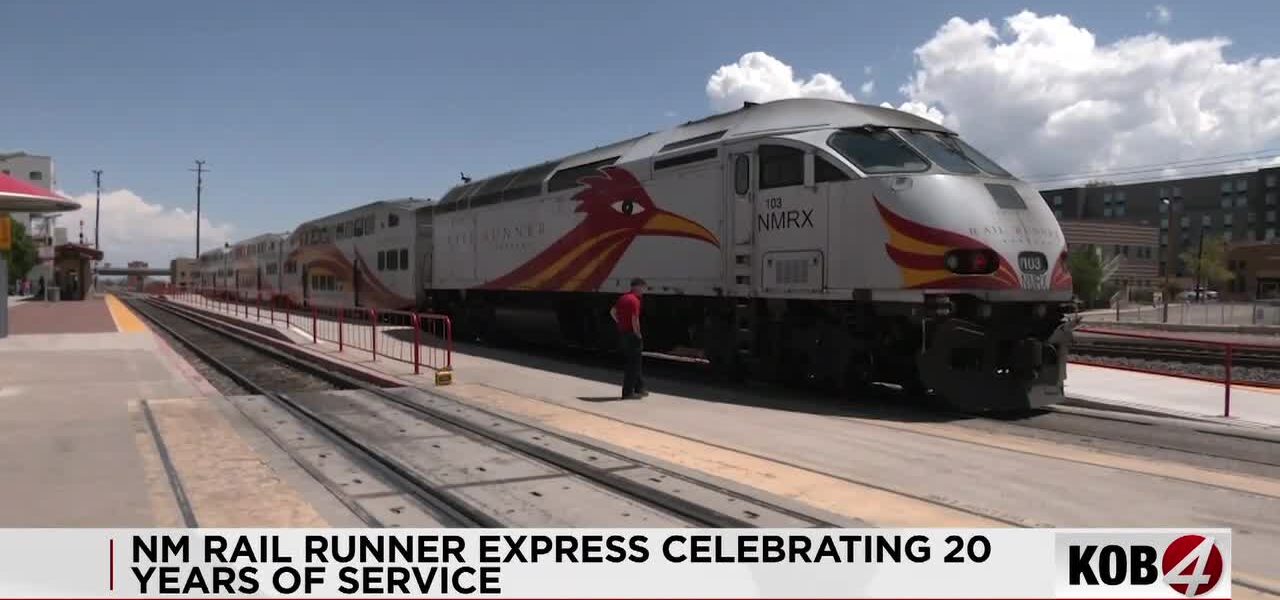
POLICY WIRE — Albuquerque, New Mexico — It isn’t exactly high-speed rail, no bullet train cutting through the stark New Mexico landscape. Yet, for Jacob Martinez, an Albuquerque local whose life has unfolded along its metal veins since he was five, the New Mexico Rail Runner Express is nothing short of a personal odyssey—a childhood companion, now a career aspiration. “If you are watching this corporation higher-ups,” he pleaded recently, an earnest plea carried on the arid air, “please hire me. I want to work here as my career. I want to be a trained engineer for these guys.” It’s an American dream, modest but palpable, chugging along tracks laid for commuters, not conglomerates, quietly celebrating its improbable two decades.
Two decades is a blink in geopolitical time, but for local infrastructure, it’s a considerable stretch. What started as a modest jaunt from downtown Albuquerque to Bernalillo in 2006 has stretched its steel tendrils across a 100-mile corridor, linking the state capital, Santa Fe, to the unassuming town of Belen. It’s served nearly 16 million riders in that time, about 2,500 daily souls navigating jobs, schools, and weekend excursions against the backdrop of the Sandia Mountains. And it’s not flashy, never was.
Augusta Meyers, the communications manager for the New Mexico Rail Runner Express, doesn’t mince words. She remembers the frantic scramble to get it running. “When the Rail Runner was completed, it was the fastest startup of a commuter rail in the country in the prior 25 years,” Meyers told Policy Wire, her voice hinting at a past triumph, “and I think it may still hold that title today.” That kind of speed speaks volumes about the raw need then, a yearning for connectivity that hadn’t yet been dulled by the ubiquity of highways.
But the numbers, as always, tell only part of the story. New Mexico’s economy, particularly along this Rio Grande stretch, has seen its own slow, incremental growth. The Rail Runner became part of the daily rhythm, a shared, collective journey. It’s a pragmatic tool, not a glamorous one. Amihan Arquiza, visiting from her adopted home and hailing from the Philippines—where trains are often the throbbing heartbeat of cities—found simple joy in the Rail Runner on a recent family trip. “I love riding trains, hearing the trains,” she exclaimed, a sense of nostalgic pleasure evident. For many, trains aren’t just transport; they’re a connection to something larger, something historic, even something global. This connection, however fleeting, often defines the experience.
And it’s a future that state planners are already mapping out. Colorado’s own ambitious 20-year rail strategy, unveiled earlier this year, explicitly contemplates links extending into the Land of Enchantment. A future where regional networks become truly inter-state? It’s a grand vision. But securing such ambition requires consistent funding — and policy will. As Governor Michelle Lujan Grisham (D-NM) once quipped about sustained infrastructure spending, “It isn’t just about paving roads; it’s about building futures. We can’t build futures with one-off projects — and a ‘hope for the best’ attitude.” She’s got a point. You don’t get twenty years of anything worthwhile through sheer luck.
However, the train’s journey isn’t just a testament to local grit. Consider the wider world. Countries like Pakistan, for instance, frequently wrestle with the massive challenges of building and maintaining robust public transit infrastructure in rapidly urbanizing regions. While New Mexico’s scale pales in comparison to Karachi’s sprawling needs, the fundamental struggle – political buy-in, funding continuity, public adoption – remains strikingly similar. These aren’t just New World problems; they’re global quandaries, sometimes played out in miniature against desert vistas. One often wonders if our policy debates here reflect echoes of Lahore’s transport dilemmas, just dressed in different landscapes.
📄 POLICY WIRE WHITEPAPER PUBLISHED: PAKISTAN'S NATIONAL SECURITY POLICY PRIORITIES
👉 READ BY CLICKING HEREWhat This Means
The Rail Runner’s two-decade persistence speaks volumes about the quiet power of steady, albeit unspectacular, investment in public services. In a nation often obsessed with gleaming mega-projects and immediate returns, a commuter line chugging along for twenty years might seem unremarkable. But it represents something more profound: a public good that directly influences quality of life, shapes urban development, and offers tangible economic benefits, however subtle. This isn’t just about ferrying passengers; it’s about fostering a particular kind of regional economic synergy, one that prioritizes the movement of people and their contributions over solely commercial freight.
But there are caveats. According to data from the American Public Transportation Association, US commuter rail ridership nationally has generally seen plateaus or declines in recent years, highlighting the persistent challenges facing public transit systems vying with individual car ownership. Building out further connections, like those envisioned with Colorado, demands navigating complex political terrain and securing long-term funding streams – not just for construction, but for sustained operations and maintenance. It’s easy to announce new lines; it’s an entirely different beast to keep them running solvently for generations. This often requires hard decisions and dedicated state-level budgeting, sometimes clashing with other political priorities. the vision of a connected New Mexico-Colorado rail network subtly contrasts with what we often see in much of South Asia, where infrastructure projects frequently become political footballs, facing delays and cost overruns that cripple their potential impact. For all its understated presence, the Rail Runner is an example of what can be achieved when political will aligns, even in modest form.
So, as the Rail Runner enters its third decade, carrying commuters like Jacob and tourists like Amihan, its real story isn’t just about mileage or millions. It’s about quiet utility, an understated economic backbone, and the continuous negotiation of what society truly values when it comes to shared mobility. It’s a success, yes, but it’s a constant grind, too. Just ask anyone trying to fund public transportation.