

City’s Wrath, Outsider’s Triumph: The Philadelphia Derby and the Anatomy of Fandom
POLICY WIRE — Philadelphia, PA — A visceral wave of communal disdain, thick as a humid summer night, cascaded from the stands of Citizens Bank Park. This wasn’t the kind of applause...

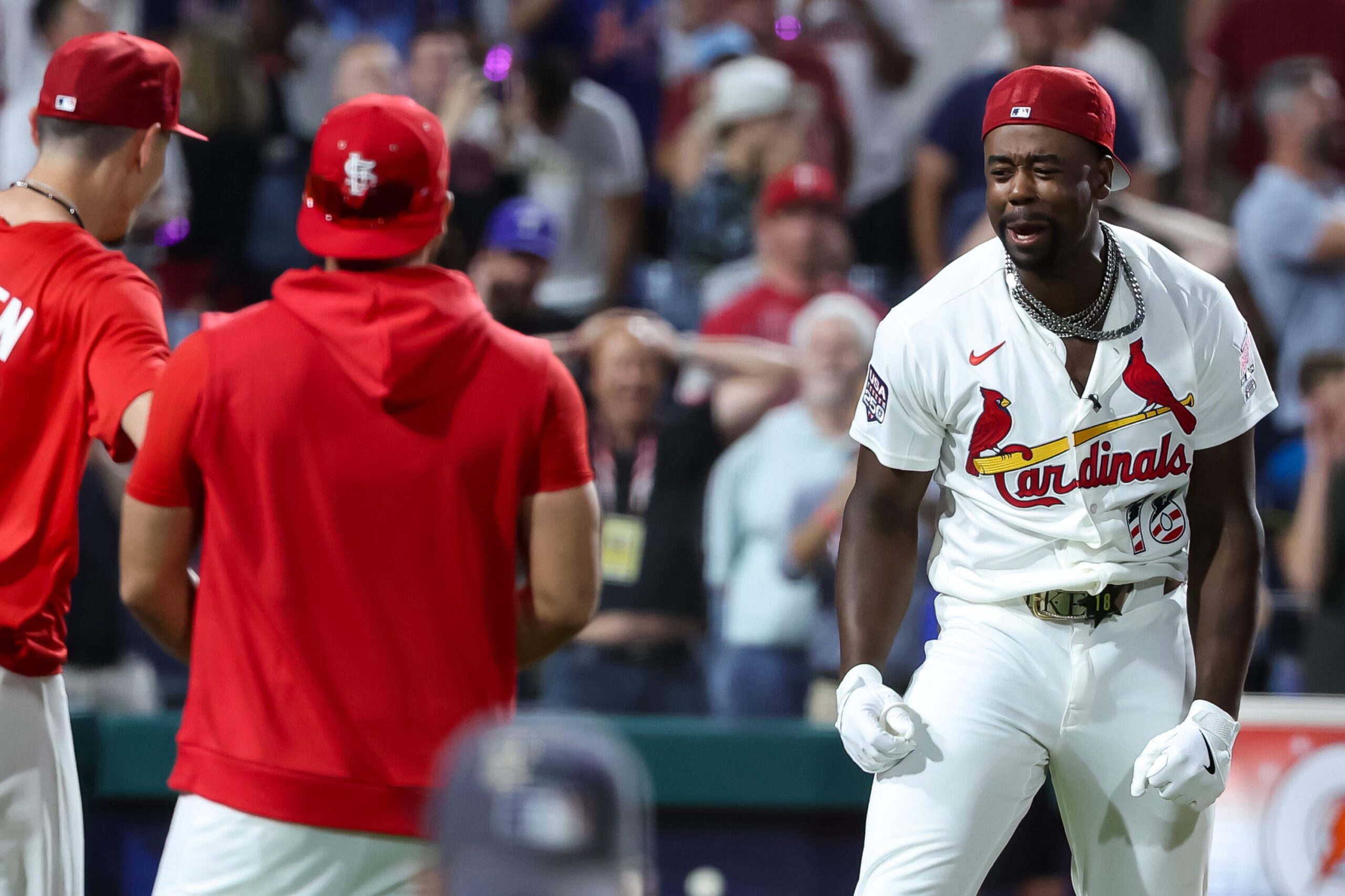
POLICY WIRE — Philadelphia, PA — A visceral wave of communal disdain, thick as a humid summer night, cascaded from the stands of Citizens Bank Park. This wasn’t the kind of applause you’d expect on the eve of baseball’s All-Star Game. No, it was a thunderous, unwavering chorus of boos, a truly Philadelphian welcome for anyone daring to stand between the home crowd’s favored son and his deserved glory. The city wanted its narrative—local slugger Kyle Schwarber, the king of the dingers, taking home the hardware. They’d prepared for it. And then, young Jordan Walker showed up.
You gotta admit, the Phillies faithful are a special breed. They don’t just attend; they participate. They’re part of the show, a collective character whose voice echoes well beyond the Delaware Valley. That night, their target was Jordan Walker, the St. Louis Cardinals phenom who, by some twist of fate — and raw power, found himself staring down Philadelphia’s dreams. Walker, fresh-faced — and clearly enjoying the spectacle despite the verbal assault, somehow thrived in that environment. Because, let’s be honest, it wasn’t just about baseball anymore; it was about pride, territorialism, and the enduring psychology of an angry mob.
The stage was set for a coronation. Schwarber, already leading MLB in regular-season home runs with 32, was the city’s chosen one. He’d smashed 11 in the final round, a truly formidable effort. Anyone else? Forget about it. The ballpark, packed with a roaring crowd of 43,863—per official attendance figures from MLB.com—was ready to erupt in triumph. They wanted Schwarber to win it, bad. And then, Walker, needing a whopping 11 himself, faced his final outs. He’d only scraped together eight homers before the mythical, high-bounced magenta ball appeared. Down to his last breath, practically, he needed a miracle. And he delivered.
Four balls sailed over the wall on his final four swings—a ridiculous display of composure under intense pressure. Six home runs on his last six swings total. A genuine come-from-behind shocker. He wasn’t just hitting balls; he was shattering expectations, both his own — and the entire stadium’s. When that last one cleared the fence, a collective gasp might’ve been heard, followed by a profound, palpable silence that spoke volumes more than any cheer. Walker, a newcomer on baseball’s grand stage, wasn’t just a slugger that night; he was a political operative, flipping the narrative in hostile territory. And don’t you forget it.
“Philly’s brutal,” Walker later remarked, his voice a mix of awe — and admiration, not anger. “I think it’s pretty special because they love their players, and that’s what you want from where you play.” He’s right, it’s that intense loyalty that fuels the antagonism, a passionate fire that, at its core, isn’t so different from the fiercely debated loyalties often seen in the subcontinent. Consider, for example, the almost spiritual devotion to cricket players in Pakistan, where allegiances aren’t just about a team; they’re about provincial identity, national pride, and personal heroes—the same intensity, just a different game. That kind of devotion? It’s not just found on an American diamond, it’s a human constant.
But Kyle Schwarber, Philly’s hero, saw it too. “They were electric all night,” he said, still a bit stunned but clearly appreciative of the crowd’s fervent, if sometimes ill-directed, energy. “We felt the energy from pitch one, — and I can’t say enough for what they did tonight. … We left it all out there.” They really did, including the crowd’s vocal displeasure every time an opponent’s ball *didn’t* go over the fence. The boos weren’t just for Walker; they were for anyone daring to challenge the local favorite, even the poor ball-chasing kids catching missed hits. This wasn’t just a home run derby; it was a psychological battle, and Walker, against all odds, managed to pull off the ultimate upset.
What This Means
The Home Run Derby in Philadelphia wasn’t merely a baseball event; it was a fascinating, real-time case study in local policy and economic psychology. This kind of intense fan engagement—a veritable urban referendum on who deserves triumph—underscores how deep the roots of civic pride run, morphing individual performances into proxy battles for city identity. When fans invest so much emotionally, their reactions become a tangible force, influencing everything from local merchandise sales to broader public discourse about regional characteristics. It’s a localized demand economy of passion, one that every city planner — and economic development agency should heed.
For Walker, the ‘villain’ who ultimately prevailed, this victory transcends mere sporting achievement. It’s a masterclass in performing under adverse conditions, a skill equally applicable in the cutthroat arenas of legislative debate or international trade negotiations. And for Philadelphia? Well, they’ll dust themselves off. This dramatic loss, far from diminishing their fervor, likely strengthens their collective identity, reinforcing the enduring psychology of second place and setting the stage for an even more impassioned fight next time around. The economic impact of such events, the hotel bookings, the restaurant tabs, the surge in local transport—all of it hinges on cultivating these high-stakes narratives. It isn’t just about entertainment; it’s about municipal vitality, stoked by the roaring furnaces of raw human emotion.