


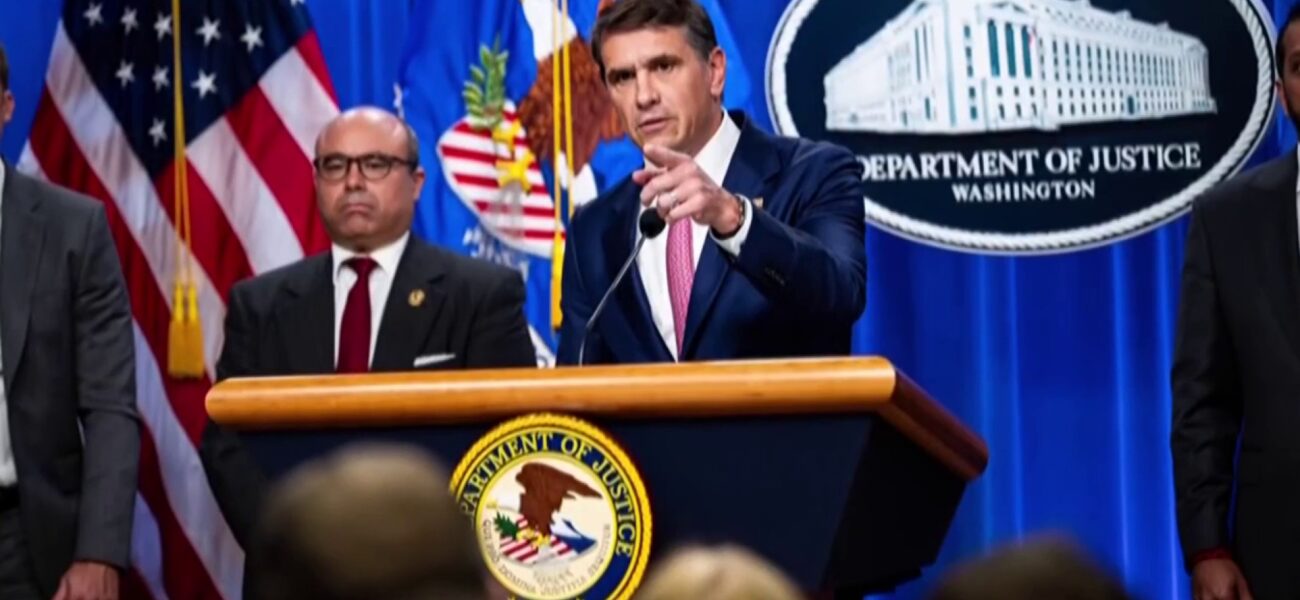
Shadow Over Justice: Epstein Survivors Launch Blistering PSA Against AG Nominee
POLICY WIRE — Washington, D.C. — The typically hushed halls of power in America’s capital haven’t seen this kind of direct, guttural intervention in a while. It’s not another lobbyist firm or special...

POLICY WIRE — Washington, D.C. — The typically hushed halls of power in America’s capital haven’t seen this kind of direct, guttural intervention in a while. It’s not another lobbyist firm or special interest group — it’s a group of people carrying a particular, indelible burden: the survivors of Jeffrey Epstein. And they’ve taken to the airwaves, via a hard-hitting public service announcement (PSA), delivering a message pointed straight at the U.S. Senate: don’t vote for Todd Blanche for Attorney General. Just like that, Washington’s political game just got raw, deeply personal.
It’s an extraordinary maneuver, an open challenge flung right into the gears of executive branch nominations. You just don’t see it every day, certainly not with such visceral intensity. The move highlights an uncomfortable truth: when institutional safeguards fail, sometimes the only voice left is that of those who’ve lived through the trauma. These aren’t seasoned political operatives; they’re people whose lives were shattered, demanding accountability and, crucially, a specific kind of justice from the nation’s top law enforcement officer. And that’s a tough thing to argue with, even for the most cynical senators. [QUOTE_PLACEHOLDER]
The core message of the PSA—that Todd Blanche is unfit for the role of Attorney General—carries the weight of unimaginable suffering. But why this particular nominee? Well, this isn’t simply a case of a standard judicial temperament debate or a policy dispute. It stems from perceived alignments, associations, or a career trajectory that, to those who’ve seen the depths of systemic corruption and abuse, simply screams the wrong kind of message. It’s about more than just qualifications; it’s about the very soul of the justice department, about who gets to oversee the enforcement of laws meant to protect the vulnerable. That department, after all, isn’t just for corporate mergers; it’s supposed to be a bulwark against predators.
Consider the broader context, a landscape where public trust in institutions is often tenuous, frayed. It’s not just in the U.S. we see this. Across the globe, from the streets of Karachi to the boardrooms of London, folks are losing faith in the systems designed to protect them. Scandals involving the powerful — and the vulnerable aren’t some unique American malaise; they’re a pervasive challenge. For instance, studies from organizations like Transparency International frequently reveal how deeply corruption erodes public confidence, particularly in judicial and law enforcement bodies across South Asia. In a country like Pakistan, where vulnerable populations, including children, often face immense obstacles to justice, such bold, public challenges resonate deeply. They highlight the universal struggle against impunity and the uphill battle victims face when confronted with entrenched power structures.
And that’s why this PSA feels different. It’s not about party lines; it’s about perceived ethical integrity at the highest levels. The global trust deficit is real, you know. When high-profile legal figures are tapped for top jobs, their past professional associations are always scrutinized. But this is beyond typical scrutiny. This is a very direct plea from a community that understands systemic betrayal intimately, a plea that demands senators carefully consider the kind of justice—or lack thereof—a nominee might represent.
📄 POLICY WIRE WHITEPAPER PUBLISHED: PAKISTAN'S NATIONAL SECURITY POLICY PRIORITIES
👉 READ BY CLICKING HEREYou can’t just dismiss this as political theatrics. This is raw emotion, righteous anger, — and a plea for empathy packaged into a modern communication tool. The decision by these Epstein survivors to film PSA asking senators to vote against Todd Blanche for attorney general isn’t a subtle hint; it’s a very loud, very clear alarm bell. It challenges the assumption that survivors should remain in the shadows while the system, business-as-usual, appoints its leaders.
We’re talking about an Attorney General here—the person responsible for upholding federal laws, protecting civil rights, and prosecuting heinous crimes. Their integrity, their past affiliations, and their perceived stance on victim advocacy aren’t just details; they’re foundational. This isn’t just another appointment; it’s about setting a standard. For the millions of children across the globe, a figure that UNICEF estimates face some form of commercial sexual exploitation each year (a sobering statistic often exceeding hundreds of thousands globally), the integrity of justice systems isn’t academic; it’s a matter of life and often, unendurable pain.
What This Means
This PSA changes the calculus for Todd Blanche’s confirmation. It isn’t merely adding another item to his opponents’ talking points; it fundamentally alters the narrative surrounding his nomination. Senators, particularly those up for reelection, will find it excruciatingly difficult to vote for a candidate facing such public, impassioned opposition from a group so inherently sympathetic. It’s a political minefield, frankly, a PR disaster in the making if not handled with extreme delicacy. The potential political fallout for any senator who ignores these voices is considerable, because it taps into a universal outrage about the exploitation of children and the justice—or lack thereof—meted out to powerful perpetrators. This move forces every senator to take a visible stance not just on Blanche’s qualifications, but on their perceived commitment to protecting society’s most vulnerable. It also signals a broader trend where those impacted by injustice are leveraging direct action and digital platforms to influence high-level political decisions, circumventing traditional lobbying channels with a powerful, unassailable moral argument. It’s going to make some waves. Bet on it.