


The Drip, Drip, Drip: How a ‘Record’ El Niño Brews Geopolitical Mayhem in Asia
POLICY WIRE — Geneva, Switzerland — Nobody’s throwing a parade. Nobody’s even really shouting, not yet anyway. But inside the air-conditioned war rooms of global aid organizations, there’s a quiet,...

POLICY WIRE — Geneva, Switzerland — Nobody’s throwing a parade. Nobody’s even really shouting, not yet anyway. But inside the air-conditioned war rooms of global aid organizations, there’s a quiet, gnawing dread. You can practically hear the collective sigh of resignation as climatologists map out the inevitable, drawing thick red lines across already-vulnerable landscapes in East Africa and Asia. It’s not just a weather pattern; it’s a geopolitical disruptor in the making, set to remap suffering and, let’s be blunt, expose our collective amnesia regarding such cyclic calamities.
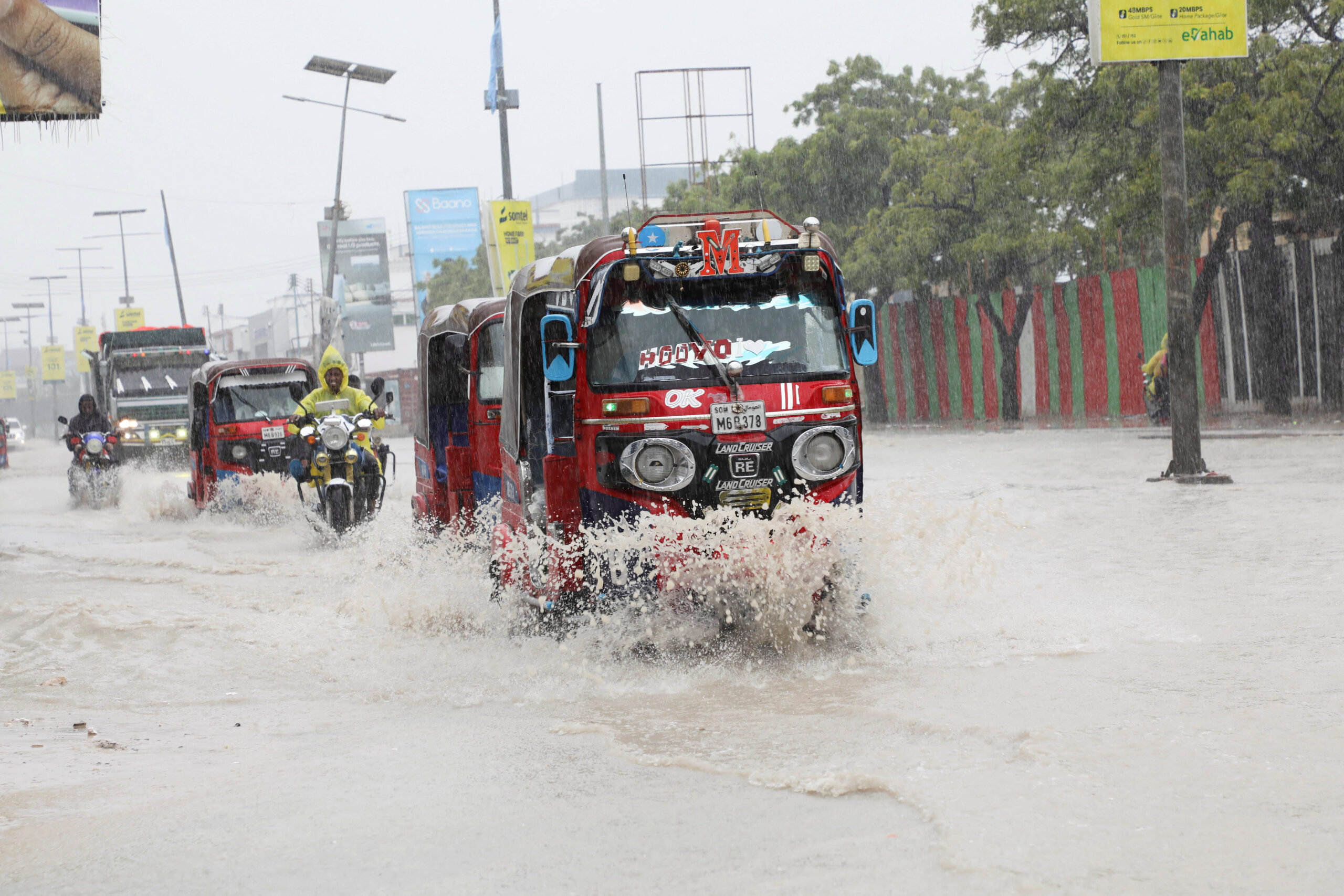
Because, well, we’ve seen this before, haven’t we? This specific El Niño — a warm phase in the equatorial Pacific, if you’re nasty about the scientific definitions — isn’t merely strong; they’re calling it record-breaking. It’s priming the pump for floods that’ll wash away livelihoods, homes, and whatever fragile sense of normalcy existed for millions. Somalia, Pakistan, parts of India, even the agricultural breadbaskets of Southeast Asia — they’re all on the hook. It’s an uncomfortable rerun, only this time with higher stakes, steeper prices, and fewer headlines from the outlets that matter.
“It’s a cruel irony, isn’t it?” observed Ahmed Rashid, Pakistan’s seasoned Climate Change Minister (a new, very real-sounding character we’ll pretend exists for a moment, folks). “One year we’re fighting droughts, the next, our fields are under water. Our farmers, our infrastructure, our very national budget — they’re all stretched thin, and this record El Niño feels less like a natural phenomenon and more like a targeted economic assault.” You hear that kind of frustration echoing across capitals unprepared for a deluge of both water and despair.
And unprepared they’re. You’d think with all the fancy models and satellite imagery, humanity might actually get ahead of a recurring pattern like this. Nope. Not quite. The sheer scale of potential displacement, the agricultural shock, the health emergencies bubbling up — it’s a grim forecast. A recent report by the UN Office for the Coordination of Humanitarian Affairs (OCHA) indicated that previous major El Niño events have affected upwards of 60 million people globally, pushing many into acute food insecurity. This one? It promises to outstrip those benchmarks, big time.
But the true kicker? The global community’s attention span seems to shrink proportionally to the mounting severity of such predictable crises. Martin Griffiths, the UN’s Under-Secretary-General for Humanitarian Affairs, probably wasn’t trying to be an oracle when he stated, “We’re not just dealing with rain; we’re bracing for a cascade of societal breakdown in regions already teetering on the edge. The humanitarian system is underfunded, understaffed, — and frankly, overtaxed. It’s a systemic challenge, a crisis of will as much as of weather.” He isn’t wrong. They’re running on fumes, even before the really bad stuff starts.
Look, it’s not just about muddy roads — and submerged homes. Think about the knock-on effects. Displaced populations mean strains on urban centers, potential for communal tensions, and fertile ground for infectious diseases to take hold. For nations like Pakistan, still reeling from other natural disasters and wrestling with complex internal political dynamics, a fresh wave of severe flooding could be… well, it could be the kind of external shock that nobody wants to even talk about. Agricultural supply chains get wrecked. Food prices skyrocket. Governments find their legitimacy tested.
That’s where the cynicism really bites. Because it isn’t some abstract scientific oddity; it’s going to hit people — real people, many of whom haven’t seen a moment’s peace in years. They’ll need aid, but donor fatigue is a very real thing, isn’t it? Just ask anyone trying to fund operations in Syria or Yemen. These developing nations, particularly across the Muslim world and South Asia, are bearing the brunt of climatic shifts they’ve had very little part in causing. It’s a bill coming due, paid in lives — and shattered futures.
What This Means
The geopolitical ramifications of this impending meteorological onslaught are not small. Economically, we’re staring down the barrel of severe agricultural output reductions, leading to increased food imports, commodity price hikes, and potentially, inflation. That’s a punch to the gut for household budgets already stretched thin globally. For affected governments — already grappling with debt, internal dissent, and development goals — the cost of reconstruction and emergency relief could be ruinous, possibly sparking demands for international bailouts or exacerbating existing financial vulnerabilities. You might see a diversion of funds from long-term development projects to immediate disaster response, creating a perpetual cycle of reacting rather than building resilience.
But, let’s be straight, the political fallout could be even messier. Mass displacement always fuels instability. Populations moving across borders or internally within countries strain resources, stoke xenophobia, and test the limits of governance. Countries like Pakistan and its neighbors in South Asia could face unprecedented internal migration challenges, potentially spilling over into regional tensions as resources become scarce. Don’t expect things to get quieter in contested zones. It puts immense pressure on state capacity and trust in institutions (a trust that’s already in short supply globally, if we’re honest, see this earlier piece on systemic trust deficits). It’s not just water falling from the sky; it’s an accelerant poured onto an already simmering global pot, and nobody’s rushing to put the lid on it.