

Brussels’ Bitter Pill: EU Weighs Sanctions as West Bank Facts Shift
POLICY WIRE — Brussels, Belgium — It’s a macabre routine, really. Another patch of ancient olive trees leveled. Another Palestinian family watching a fence creep closer, severing them from their...

POLICY WIRE — Brussels, Belgium — It’s a macabre routine, really. Another patch of ancient olive trees leveled. Another Palestinian family watching a fence creep closer, severing them from their ancestral lands. And in a European capital, the usual flurry of indignation, the predictable cycle of talks about taking ‘firm action.’ But this week, those familiar tremors emanating from the West Bank feel different. More urgent. Like the ground’s about to give.
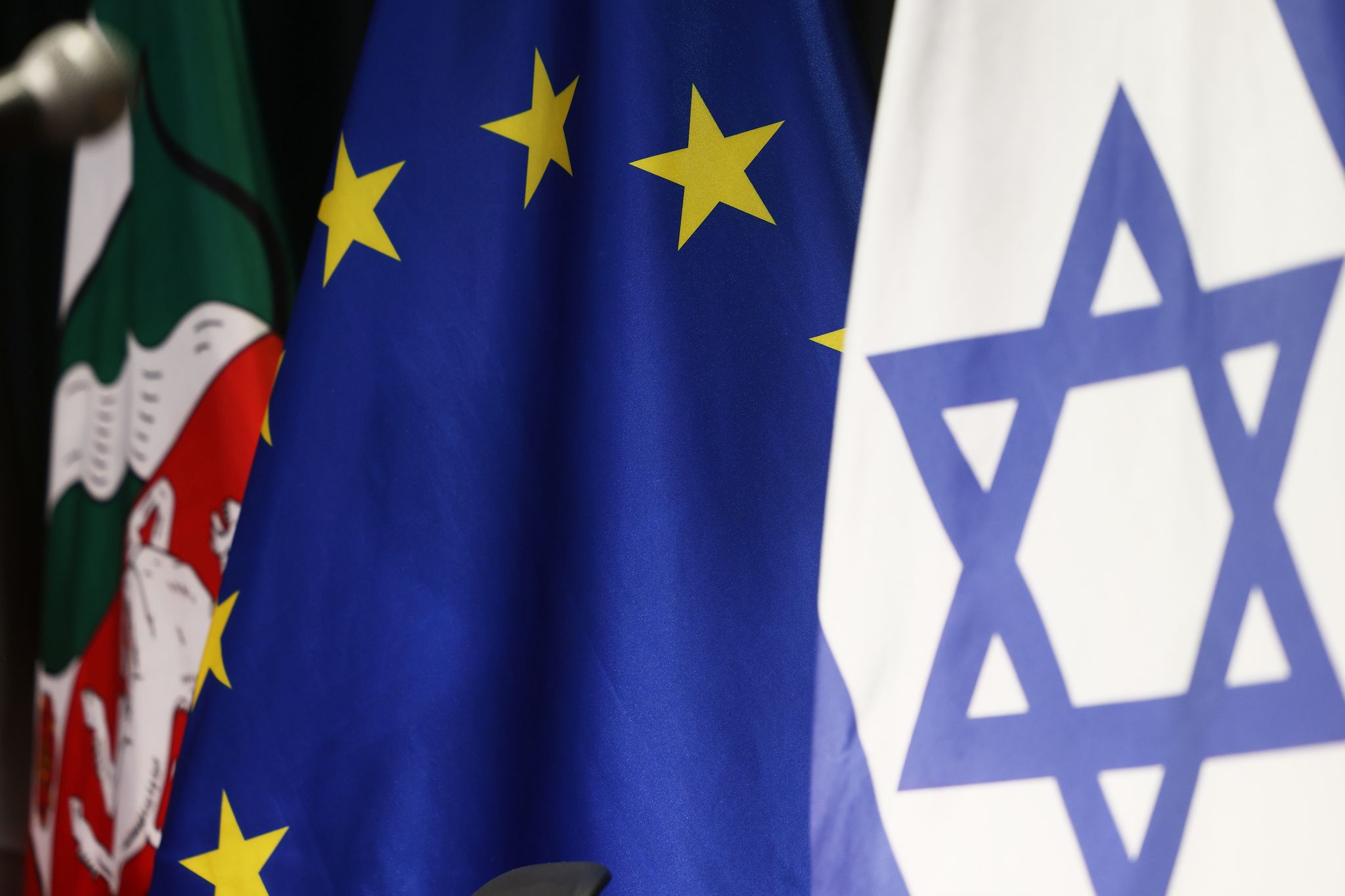
EU foreign ministers are gathering, again, in the gilded halls of Brussels. Their primary agenda item? More sanctions. Not just talk, mind you, but real, tangible measures targeting the architects and enablers of Israel’s expanding settlements across occupied Palestinian territories. It’s a discussion that’s been brewing, simmered by frustration, until it finally threatened to boil over. Because for decades, the playbook hasn’t changed. International law, ignored. Diplomatic appeals, politely rebuffed. The steady, relentless creep of concrete — and steel, unaltered.
This isn’t about grand gestures alone; it’s about the relentless creation of ‘facts on the ground’ that make a viable Palestinian state feel like a fading mirage. The settler population in the West Bank has swelled by nearly 15% in the last five years alone, reaching well over half a million, according to the UN Human Settlements Programme (UN-Habitat). That’s not just a statistic; it’s a living, breathing blockade on peace.
Ireland’s Foreign Minister, Micheál Martin, didn’t mince words. “We’ve exhausted every diplomatic avenue, haven’t we? It’s past time for actions that carry real sting, to demonstrate our resolve,” he reportedly fumed, probably not for the first time. “Empty words won’t halt bulldozers.” He’s right, of course. The EU has consistently — if not always consistently enforced — called settlements illegal under international law. But doing something about it? Ah, that’s another story altogether.
And then there’s the other side of this diplomatic tightrope walk. You’ve got figures in Tel Aviv who view any European threat of sanctions with a mixture of disdain — and defiance. “This is sovereign Israeli land,” snapped a spokesperson for Israel’s ruling Likud party, Beeri Goldman, dismissing the Brussels buzz as external meddling. “They can hold their talks; we’re focused on securing our people — and developing our homeland. Any European ‘sanction’ is interference, pure and simple, and it won’t deter us.” A hard line, but hardly surprising.
Because let’s be honest, the internal squabbles within the EU haven’t exactly helped matters. Some member states, Germany and Hungary among them, often display a marked reluctance to take punitive measures against Israel. They invoke historical ties, security concerns, or simply the fear of upsetting a delicate regional balance. So, it’s not a unified bloc marching lockstep to enforce its own principles. It’s more like a fractious committee meeting where everyone’s got an agenda, or a deeply ingrained reservation.
This diplomatic dance — call it paralysis by analysis if you like — plays out against a backdrop of escalating regional tensions. The lack of a political horizon, the continued displacement, the sheer unfairness of it all resonates deeply across the Muslim world. Capitals from Islamabad to Cairo watch this process with a weary eye, fueling narratives of Western hypocrisy and a double standard that hardly bodes well for wider international relations. This European deliberation isn’t happening in a vacuum; it echoes.
What This Means
Should the EU manage to cobble together a consensus on sanctions — which itself would be a small miracle — the immediate impact could still be largely symbolic. Israel, let’s not forget, isn’t exactly a fragile economic entity. Targeted sanctions against specific individuals or entities involved in settlement activity, however, could inject a rare note of discord into their financial comfort zones. More broadly, it could embolden other nations and international bodies to follow suit, chipping away at the diplomatic protection Israel has often enjoyed from some corners of the West. It certainly won’t stop construction overnight. But it’s a signal, a stark warning shot across the bow of a hegemonic ambition that increasingly defies global norms.
Economically, any widespread EU sanctions on settlement products, or broader measures, could cause a ripple effect, forcing European businesses to scrutinize supply chains more closely. It’s an exercise that could prove complex, messy, — and unpopular with some powerful lobbies. Politically, this move — if it happens — could further strain already delicate relations between Brussels and Tel Aviv, possibly pushing Israel to seek stronger alliances elsewhere. And let’s not discount the effect on Europe’s unwritten rules of foreign policy; this decision will clarify, perhaps painfully, just how much value they place on international law when it bumps against uncomfortable geopolitical realities. They’ve been talking for a long time. It’s almost time to see if they’ll walk.