


Paradise Grounded: Bahamas Crash Fells Artists, Exposes Regulatory Fractures
POLICY WIRE — Nassau, The Bahamas — The rhythmic pulse of the Bahamian air travel industry has momentarily stuttered, not from an impending storm, but from a deeper malaise. It isn’t just the...

POLICY WIRE — Nassau, The Bahamas — The rhythmic pulse of the Bahamian air travel industry has momentarily stuttered, not from an impending storm, but from a deeper malaise. It isn’t just the tragic loss of life—though that’s a staggering reality—but the swift, jarring halt imposed on an entire segment of private aviation that lays bare the brittle foundations of regional oversight. A recent aircraft accident, claiming the lives of revered musical talents among others, has compelled authorities to slam the brakes on certain flight operations, a move that speaks volumes about perceived vulnerabilities, even in idyllic locales.
It was a clear morning (or so one imagines the initial moments to have been) when a private aircraft departed [QUOTE_PLACEHOLDER] for a routine island hop. It carried individuals whose melodies resonated far beyond the turquoise waters of the Caribbean, entertainers whose art touched countless listeners. Then, silence. Official pronouncements were quick, almost mechanically so, confirming the inevitable. A representative for the performers’ management [QUOTE_PLACEHOLDER] described the immense sorrow impacting their global fanbase. You don’t often get a regulatory clampdown this fast, not unless there’s something seriously amiss beneath the surface sheen.
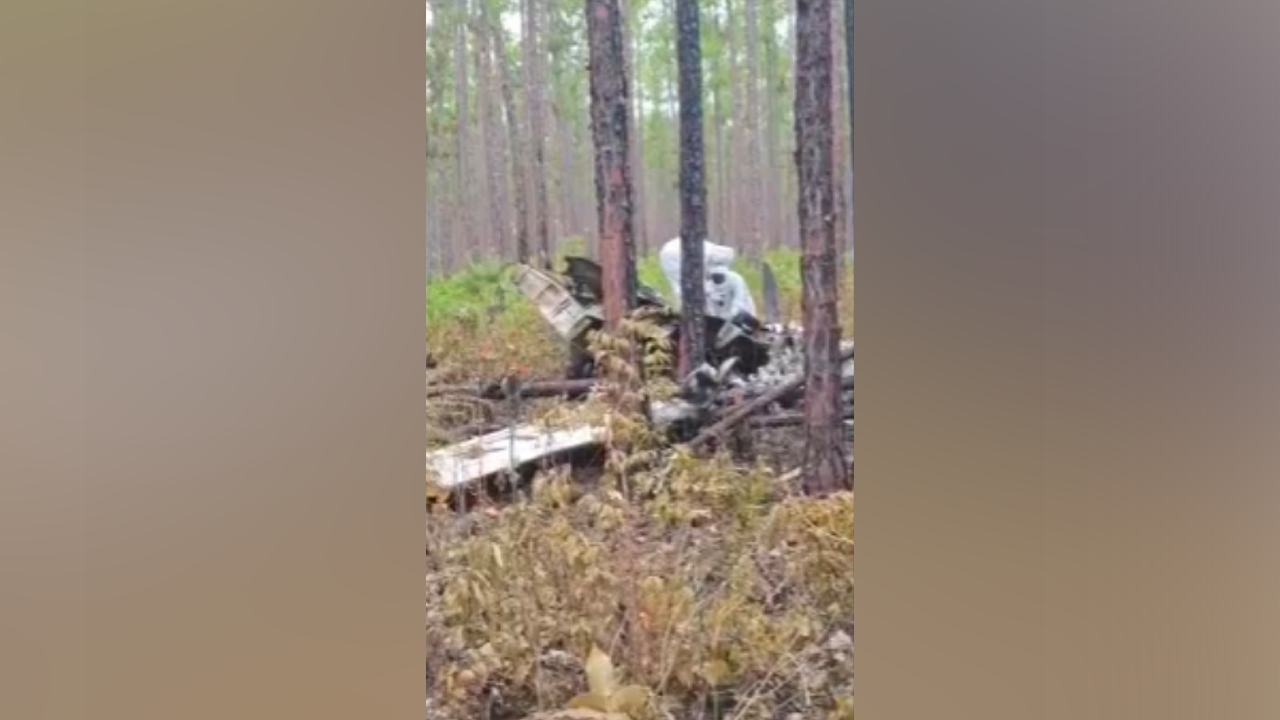
The wreckage, now meticulously picked over by investigators, tells a grim story. But it’s the aftermath on the tarmac—the grounding orders, the scrambling officials—that suggests more than a freak occurrence. Aviation officials, speaking with a gravitas appropriate to the moment, confirmed the grounding of specific aircraft types or operators pending further review. It’s a broad brush stroke of policy, meant to restore confidence, sure. But it also points to an acute need for reassurance; a public acknowledgment that, perhaps, everything wasn’t quite up to snuff before this tragedy.
The impact of such an incident, especially involving high-profile figures, ripples through more than just the entertainment industry. For a nation like the Bahamas, heavily reliant on tourism and its seamless air links, even a temporary interruption—a hiccup in the rhythm of arrival and departure—is a geopolitical event in miniature. And it’s not a localized concern, either. Countries dependent on fragile supply lines, those where economic lifeblood flows through airports and sea lanes, well, they’re paying attention.
Consider the delicate dance of regulatory frameworks in places far removed but facing similar structural challenges. Think of the oversight deficits that often come into sharp focus after disaster strikes across various developing economies. In parts of South Asia, for instance, infrastructure development often outpaces — sometimes spectacularly — the regulatory muscle needed to ensure safety. This incident, while geographically distant from, say, Karachi or Lahore, echoes broader anxieties about whether economic expediency might inadvertently create an environment where corners get cut. It’s a harsh calculus.
Officials have confirmed an exhaustive inquiry is underway. One investigator, speaking under the customary shroud of discretion, acknowledged the complexity of determining culpability. This isn’t just about pilot error or mechanical failure; it’s about the entire ecosystem supporting airworthiness. There’s a systems failure component to almost every crash, a domino effect starting long before takeoff. You know, maintenance logs, inspection routines, certification processes. And often, these layers of regulation can fray. For instance, just last year, global air traffic saw approximately 0.17 fatal accidents per one million flights, according to the International Air Transport Association, a sobering reminder of the constant vigilance required.
But the families. They’re left with memories, and a void. The collective mourning, it’s palpable even here, thousands of miles away from the sunny shores of the Bahamas. The industry, typically quick to self-correct, will move fast. It has to. Yet, the question lingers: could this have been avoided? It’s always the central query when tragedy strikes with such brutal finality.
The global attention garnered by this tragedy serves as an unwelcome but effective spotlight on a nation’s ability to maintain high safety standards. For the Bahamian government, it’s not just about addressing the immediate crash; it’s about shoring up investor confidence and safeguarding an image of a pristine, trouble-free destination. And they’ll need to move deftly to reassure both their citizens and the throngs of tourists whose continued patronage sustains the very fabric of the islands’ economy. It’s a hell of a test.
What This Means
This grounding order isn’t a mere administrative footnote; it’s a tremor signaling deeper structural questions about regulatory oversight in small island states, especially those heavily dependent on private air travel for high-net-worth individuals and crucial tourism. The political implications are immediate — and stark. Public trust in institutions is always fragile, — and a high-profile incident like this erodes it with alarming speed. For the Bahamian government, it means a protracted, uncomfortable period of intense scrutiny, potentially leading to revisions in their civil aviation authority’s staffing, procedures, or even funding models.
Economically, while the direct impact on broader tourism might seem contained, the reputational damage could be more insidious. It forces a reassessment by insurers, by operators, and crucially, by those affluent travelers who prioritize perceived safety above all else. Airlines and private charter companies operating in similar environments—from the Caribbean to Southeast Asia—will face heightened pressure from their own regulators and client bases to prove their adherence to stringent international standards. We’ve seen similar patterns after high-profile incidents compel regulators to act, often revealing broader, pre-existing issues, much like the fallout from lax safety enforcement that ignites scrutiny in Asian commercial centers. The very foundation of an entire nation’s economic model, centered on accessibility and aspirational living, is now under the microscope. That’s heavy, right?
The geopolitical angle involves how these incidents—even local ones—influence global perceptions of smaller nations’ governance capacities. Can they maintain a ‘first-world’ service infrastructure? Do they’ve the resources, technical expertise, — and political will to enforce regulations consistently? These are not minor questions. The answers shape foreign investment, trade agreements, — and ultimately, a nation’s standing on the international stage. But it won’t be an easy fix. Governments often struggle with the political will to fund robust, independent regulatory bodies before, not after, catastrophe strikes. They just do.