

Shadows of Summer ’06: IDF’s Hidden Orders Resurface, Reshaping Lebanon War’s Legacy
POLICY WIRE — Tel Aviv, Israel — Twenty summers have come and gone since the summer of 2006, when northern Israel braced for missile volleys and southern Lebanon crumbled under relentless...

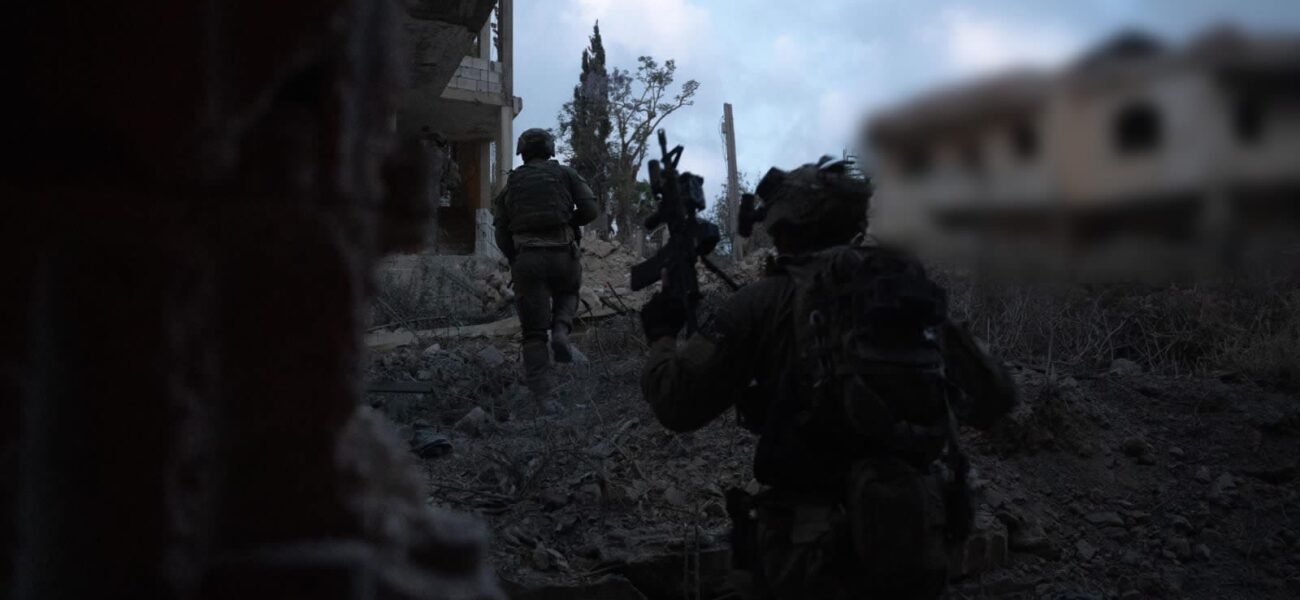
POLICY WIRE — Tel Aviv, Israel — Twenty summers have come and gone since the summer of 2006, when northern Israel braced for missile volleys and southern Lebanon crumbled under relentless bombardments. It wasn’t some spontaneous brawl, we’re now learning. The recent drip-feed of declassified information from the Israel Defense Forces suggests something far more calculated, a series of directives reaching much deeper into Lebanese territory than widely acknowledged at the time. Forget the notion of a purely reactive strike; we’re talking about plans to expand operations right up to the Litani River, hatched not just in the heat of a kidnapping, but well before.
For two decades, the official narrative held tight: Hezbollah’s cross-border abduction of two Israeli soldiers—Ehud Goldwasser and Eldad Regev—sparked the inferno. And yes, it certainly did fan the flames. But a newly available snippet, a rather dry operational order tucked away in archive folders, spells out initial maneuvers aiming squarely for the Litani, pushing far beyond the immediate response zone. It wasn’t about rescuing soldiers; it was about redrawing the tactical map, plain — and simple. Imagine trying to explain that to a mother in Tyre watching her neighborhood vanish into dust, and then trying to explain it to a soldier wondering what the hell he was fighting for that particular day.
“We weren’t just chasing terrorists across a line; we were, as always, securing our future against existential threats,” a retired Israeli Brigadier General, who served during the conflict and spoke on condition of anonymity, reportedly asserted in a recent closed-door briefing to military students. He added, with a dismissive wave, “Such foresight, I assure you, is never a luxury in our neighborhood.” But the idea that deeper military objectives were baked in early on certainly alters the convenient victimhood often invoked by Israeli leaders following such conflagrations. It wasn’t entirely an innocent response; it was an activation.
The reverberations, mind you, echo beyond dusty archives. In Beirut, analysts aren’t particularly surprised. They’ve seen this movie before, a slow reveal of strategic depth masked by immediate triggers. And across the wider Muslim world, the revelation will surely fuel long-held suspicions about regional powers playing long-term chess with human lives. Pakistan, for instance, a nation no stranger to its own border complexities and proxy conflicts, frequently observes these cycles of escalating violence in the Middle East as symptomatic of larger geopolitical ambitions. It shapes their own policy discussions on sovereignty — and non-intervention, even thousands of miles away.
“Israel’s ceaseless aggression isn’t just against Lebanon; it’s an assault on international law and the will of every free nation,” scoffed Hezbollah Secretary-General Hassan Nasrallah in a recently aired, carefully crafted speech from an undisclosed location, his voice carrying the familiar cadence of defiance. “They can declassify all the documents they want; they can never declassify their thirst for occupation. And they certainly didn’t achieve their aims, did they?” He has a point; the war ended in a tactical stalemate, not a decisive Israeli victory, leaving both sides licking wounds and plotting their next moves.
📄 POLICY WIRE WHITEPAPER PUBLISHED: PAKISTAN'S NATIONAL SECURITY POLICY PRIORITIES
👉 READ BY CLICKING HEREOne grim statistic often forgotten is the sheer economic toll: a 2006 World Bank assessment placed direct damages to Lebanon’s infrastructure and economy at approximately $3.6 billion. That’s a staggering sum for a country already teetering on the edge. Imagine rebuilding that while battling internal political fractures. And then do it again. Because history, we find, isn’t just recorded; it’s relived, sometimes with fresh, irritating details.
What This Means
This belated shedding of light on Israel’s 2006 intentions isn’t merely academic. It fundamentally repositions a conflict long cast as an unavoidable defensive maneuver into something more premeditated—even if justified in Tel Aviv’s strategic calculus. Politically, it strengthens the argument of those who view Israeli military actions as often possessing undeclared, larger objectives, weakening future claims of purely retaliatory action. Economically, such historical revelations can deepen existing foreign aid fatigue or recalibrate investment risk assessments for Lebanon, a nation perpetually struggling for stability. For Hezbollah, the declassification hands them an unearned public relations gift, buttressing their narrative of confronting an expansionist foe. But perhaps more interestingly, it also highlights the increasing sophistication and importance of tools like unmanned aerial vehicles in contemporary asymmetric conflicts, a lesson Jerusalem’s Drone Predicament continuously reminds us about. Because these conflicts don’t ever truly end, they just simmer.