


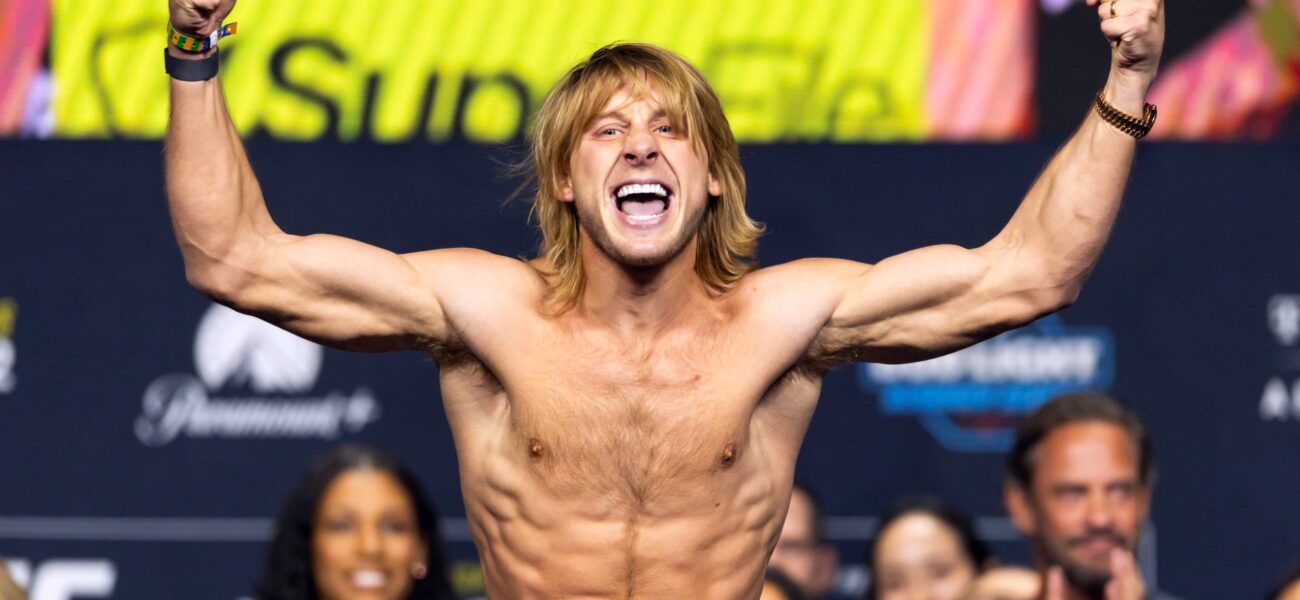
Octagon’s Ruthless Meritocracy: Pimblett Ascends as Aspirations Crumble at UFC 329
POLICY WIRE — London, UK — Forget the glittering belts and the roaring crowds for a minute. Beneath the hype, what we witnessed at UFC 329 wasn’t just a combat sports event; it was a brutal,...

POLICY WIRE — London, UK — Forget the glittering belts and the roaring crowds for a minute. Beneath the hype, what we witnessed at UFC 329 wasn’t just a combat sports event; it was a brutal, instantaneous reaffirmation of the Darwinian ethos that underpins so much of modern life—and, frankly, modern politics. One moment, a fighter is a solid favorite, carving out a path to glory; the next, his dreams are, to use a particularly stark phrase from the mat, put to sleep.
It’s a tale as old as power itself, but distilled to its rawest form within the confines of a cage. The lightweight division, notorious for its shark-tank competitiveness, saw Paddy Pimblett—often dismissed as more personality than punch—force his way into the top ranks. He dispatched Benoit Saint-Denis, a man with a four-fight win streak, all of them finishes, in less than a minute. Just like that, momentum dissolved. Saint-Denis, we’re told, had a chance to lock up a title opportunity next if he could score a fifth straight victory. Instead, to the surprise of many, BSD made the mistake of sticking his head into Paddy Pimblett’s defense seconds in the fight and the Englishman snapped it up. That’s a political career ending in real-time, right there for everyone to see. [QUOTE_PLACEHOLDER]
And it’s a cold, hard world. Consider Quillan Salkilld, who, since earning a contract on Dana White’s Contender Series in the fall of 2024, has been very impressive. He notched his 12th straight win, propelling him into the top echelon. Then there’s Renato Moicano, who had seen his momentum stall with back-to-back losses—one of those being a short-notice defeat to former lightweight king Islam Makhachev. That name, Makhachev, rings out not just in fight circles, but across vast stretches of the Muslim world, from Dagestan to distant Karachi, where young athletes, grappling with stark economic realities, dream of escaping via the Octagon’s grueling meritocracy.
Moicano, after what must’ve been some grim soul-searching, got back in the win column with a main event victory over Chris Duncan in April. But such fleeting comebacks highlight how thin the margins are—how quickly public favor, and thus market value, can pivot. It’s a sobering reminder, for all the bravado, that the spotlight can dim with breathtaking speed.
Even titans aren’t immune. Max Holloway, arguably one of the greatest UFC featherweights of all time, tried his hand at lightweight. He managed to add the BMF title to his trophy case and scored two huge wins over future Hall of Famers Justin Gaethje and Dustin Poirier. But his reign here, brief as it was, ended against Charles Oliveira. It will be interesting to see where the Hawaiian goes from here. That’s a gentle way of saying his future is suddenly very uncertain, isn’t it?
📄 POLICY WIRE WHITEPAPER PUBLISHED: PAKISTAN'S NATIONAL SECURITY POLICY PRIORITIES
👉 READ BY CLICKING HEREThen we’ve got Paddy Pimblett himself, who has his doubters. They’re usually loud, you know? But you can’t deny starting a UFC career by winning seven straight, including over some future Hall of Famers. This kind of consistency—even against admittedly non-prime versions of legends—builds an undeniable case. UFC records indicate Pimblett stands among the very few, the elite ten fighters who’ve managed to win gold in two separate divisions. His outstanding win over a red-hot Benoit Saint-Denis now pushes him right back into the title picture, though we’ve seen how quickly those pictures can be reshuffled.
Justin Gaethje, meanwhile, just took the number one spot for the first time. The man padded his Hall of Fame resume by scoring a dominant upset win over former 155-pound champ Ilia Topuria. It shows you, the climb never truly ends; it just gets steeper, — and the air thinner. For those outside the cage, contemplating similar ascensions in business or politics, the lesson is stark: the moment you believe you’ve arrived, someone’s already planning to pull you back down. It’s an economy of perpetual anxiety, really. The Octagon’s hard calculus isn’t just for fight fans.
What This Means
This shuffle at the top of the lightweight ranks, precipitated by what amounts to mere seconds of miscalculation for some, and sudden, decisive action for others, speaks volumes beyond sport. In an increasingly gig-oriented, performance-based global economy, the trajectories of these fighters mirror the precariousness of modern careers. One minute, you’re the hot commodity, your stock soaring. The next, a single setback—a project gone sideways, a bad quarter—can undo years of relentless effort. Saint-Denis’s abrupt derailment of his 2026 title hopes serves as a blunt economic parable for anyone navigating a highly competitive landscape.
The geopolitical parallel isn’t too much of a stretch either. Think of nations constantly jostling for influence, global standing. A misstep on the diplomatic stage, an economic downturn, a security failure—and quickly, regional hegemonies can be challenged, and new powers emerge, just as swiftly as a fighter is submitted. The globalized reach of MMA means that an individual’s journey from a remote village in the Caucasus or a bustling street in Lahore to the international stage—facing formidable opponents and the cold, unyielding mechanics of merit-based systems—is inherently a political statement. It’s a pursuit of agency, a bid for economic survival, a hope for distinction against daunting odds, echoing the struggle for economic upward mobility and geopolitical leverage for nations that feel, rightly or wrongly, perpetually undervalued. Because when your path to success depends solely on your performance, the stakes couldn’t be higher. And it all happens, more often than not, in plain view, brutally transparent.