
Knocking at the Door: Subpoenas Target Journalists as Air Force One Flap Exposes Press Freedom Fault Lines
POLICY WIRE — Washington, D.C., USA — The early morning knock at the door, the unsettling appearance of federal agents on a journalist’s porch – that’s not a scene from some Cold War thriller, it’s...

POLICY WIRE — Washington, D.C., USA — The early morning knock at the door, the unsettling appearance of federal agents on a journalist’s porch – that’s not a scene from some Cold War thriller, it’s what New York Times reporters experienced recently. This isn’t about just publishing a story anymore. No, this is about the feds getting personal, dropping subpoenas directly into their hands, forcing them to potentially spill sources before a grand jury. It’s an aggressive play, a stark escalation in the administration’s years-long tug-of-war with independent media. And it’s all apparently tied to a flashy new jet that costs a fortune but maybe isn’t as tough as it looks.
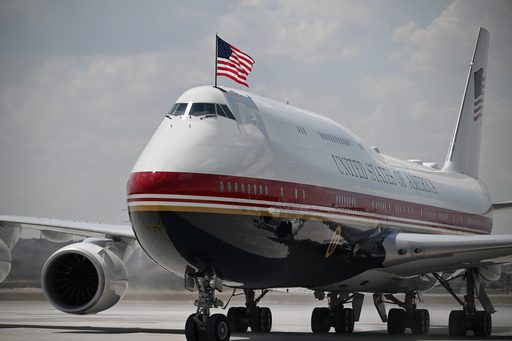
It sounds almost absurd, doesn’t it? A presidential jet becomes the unwitting center of a constitutional showdown. Yet here we’re. This dramatic move, pushing reporters like Julian E. Barnes, Eric Lipton, Tyler Pager and Eric Schmitt into a legal corner, sprang from articles about the new Air Force One. Specifically, stories hinting at some dicey security concerns surrounding this plane, a gift, mind you, from the U.S. ally Qatar, that then cost the administration a cool $400 million to retrofit — and upgrade. Pretty steep bill, no doubt. [QUOTE_PLACEHOLDER]
The whole thing blew up last week. That’s when President Donald Trump, instead of zipping out of a NATO summit in Turkey on his shiny, new, taxpayer-enhanced ride, opted for an older model of Air Force One. His explanation? He referenced threats against him made by Iran, a geopolitical dynamic that always adds a layer of global complexity to these kinds of moves. Then, after a pit stop in Mildenhall, England, he eventually boarded the newer jet for the trip home. The Times, citing anonymous sources—the ones the feds would presumably love to uncover—reported that the switch happened because the Secret Service insisted. Turns out the swanky new plane supposedly lacked some of the advanced security features of the older aircraft, like those all-important antimissile capabilities. Of course, Trump pushed back hard, claiming he simply wanted the service members to eyeball the new plane. He told accompanying reporters he wasn’t worried about Iran. But then, as only he can, he admitted, I have a threat all the time. I’m No. 1 on their list. Talk about a walk-back.
But back to the home visits. This subpoena delivery wasn’t some low-key mailing; federal agents showed up at these journalists’ doorsteps. Let that sink in. David McCraw, a lawyer for the Times, pulled no punches, stating, The appearance of federal law enforcement agents on the doorstep of news reporters should shock the conscience of any American who believes in the Constitution and the press freedom it protects. Bruce D. Brown, who runs the Reporters Committee for Freedom of the Press, framed it even more sharply. He believes Trump’s war on the press is looking for another victim. He also pointed out that this whole business breaks from longstanding Justice Department practice. Usually, going after reporters for their information is supposed to be the absolute last resort. Yet, here we’re, at their homes.
Now, the Justice Department, ever so careful with its wording, wants everyone to know something specific. They said, to be clear, reporters are not the targets, those leaking classified information are. Uh-huh. They even tacked on that they value and appreciate the important role that the press plays in this country, but DOJ also plays an important role to make sure that the people entrusted with our nation’s secrets do what they’re supposed to do with that information, which means not sharing classified information. They admitted, there may always be natural tension there, but doubled down on the commitment to not ignore the law and stop investigating the people who work in the administration and think it’s okay to leak classified information impacting national security. A rather delicate balancing act, wouldn’t you say?
📄 POLICY WIRE WHITEPAPER PUBLISHED: PAKISTAN'S NATIONAL SECURITY POLICY PRIORITIES
👉 READ BY CLICKING HEREBecause, really, this isn’t just a one-off. It’s part of a well-worn path. Think back to earlier in the year: subpoenas flew at reporters from The Washington Post and The Wall Street Journal, though those got pulled back. Then there was that FBI search at Washington Post reporter Hannah Natanson’s house, a leak investigation. Adam Steinbaugh, senior attorney for the Foundation for Individual Rights and Expression, hit the nail on the head, I’m thinking, when he warned that hauling reporters before grand juries sends a chilling message to journalists and whistleblowers alike: Watch what you say, or expect a knock on the door. He’s right, isn’t he? And, he concluded simply: These tactics are becoming more common. That doesn’t make them normal.
And it’s a campaign, frankly. During his first term, Trump infamously labeled the press an enemy of the American people. He’s since returned to the White House with what feels like an even more aggressive game plan. He’s not just complaining anymore. No, we’re talking about actual lawsuits, threats to revoke broadcast licenses, and an all-out effort to bend news organizations—and even social media companies—to his personal will. But I don’t buy that it’s simply his will. This strategy reverberates, sending shockwaves far beyond Washington.
What This Means
This whole Air Force One-turned-subpoena drama signals a significant tightening of the screws on press freedom. It’s a political move, pure and simple, aimed at controlling the narrative and deterring future leaks by turning reporting into a personal risk for journalists. When reporters are getting served at home, it injects a potent dose of fear and uncertainty into the newsgathering process, chilling not just journalists but also potential whistleblowers.
Economically, this sort of sustained pressure degrades the credibility of information, which in turn impacts market stability and investment decisions. Unfettered, accurate reporting is crucial for transparency, even in defense contracts or procurement—like the $400 million spent on the Qatari-gifted jet. Political polarization often increases when public trust in media erodes. Internationally, countries in South Asia and the wider Muslim world, places like Pakistan where press freedom already hangs by a thread, often mirror or even magnify American democratic backsliding. These nations, struggling with their own authoritarian tendencies, could easily view such heavy-handed tactics as validation for their own restrictions on free speech and independent journalism. It’s a dangerous precedent that gives cover to governments keen on stifling dissent and controlling the flow of information. The policy implication is clear: less free press means more room for unaccountable power, both at home — and abroad. That’s bad for everyone.