


Heir Apparent: Miami Scion Lombard Snags $5.4M Marlin Bet Amid Draft Day Hype
POLICY WIRE — Miami, Florida — The air conditioning in the Dolphin’s stadium, often as humid as the outside summer haze, perhaps offered Jacob Lombard a momentary reprieve from the swirling vortex of...

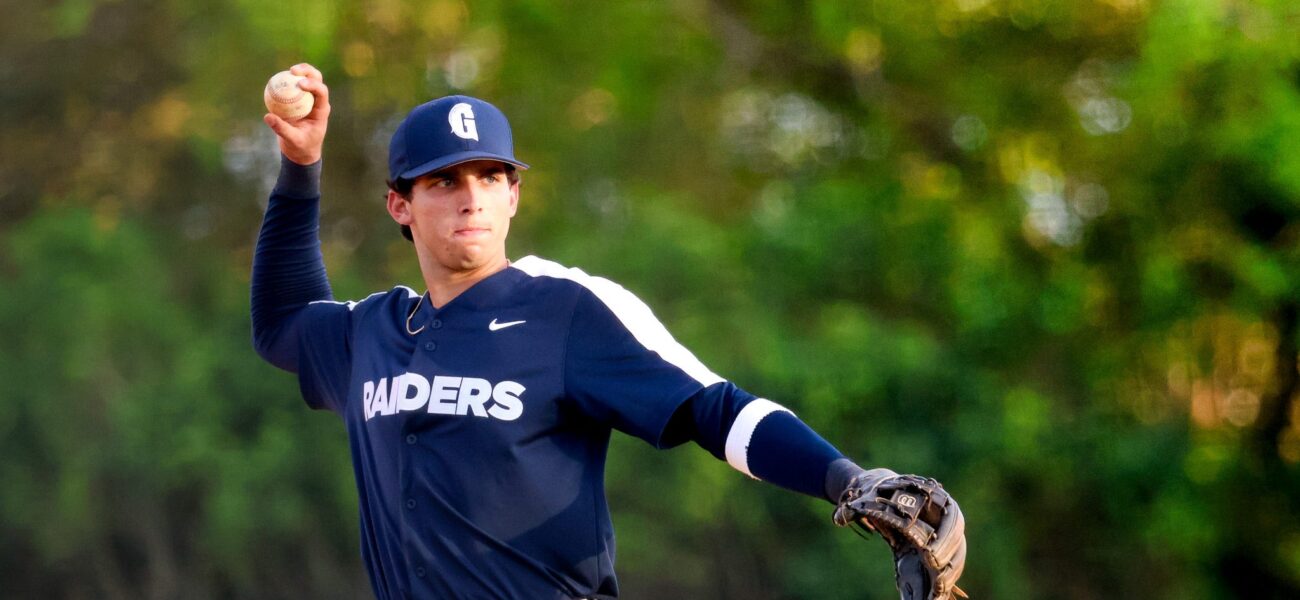
POLICY WIRE — Miami, Florida — The air conditioning in the Dolphin’s stadium, often as humid as the outside summer haze, perhaps offered Jacob Lombard a momentary reprieve from the swirling vortex of expectation. It’s a burden he knows well, having practically worn a glove since birth. Last Saturday wasn’t merely a moment for a kid getting picked; it was the coronation of an heir. Lombard, with the family name that practically drips with major league resin, landed the coveted No. 14 spot in the MLB Draft, snared by the Miami Marlins—his hometown outfit. A quiet, almost clinical confirmation of a destiny etched in batting cages — and late-night bullpens.
It’s not just a feel-good local boy story, not really. This is a transaction, a multi-million-dollar bet on potential. That $5.4 million slot bonus isn’t just pocket money; it’s the franchise telegraphing a serious conviction, hoping to recapture a faded sheen in a city that often seems too preoccupied with sun-kissed escapism. For Jacob, it’s a direct continuation of a legacy. His old man, George Lombard Sr., punched the clock for eight years in the big leagues. And his older brother, George Jr., is already grinding in the Yankees’ farm system, a rung below the bright lights.
This is baseball, a sport that prides itself on dynasties — and legacies, albeit with an ever-present bottom line. “You see a kid like Jacob, a third-generation talent, and you’re not just drafting an athlete; you’re investing in a certain psychological toughness, a familiarity with the grind that only a lifetime in the sport can teach,” observed a scout for a rival National League organization, speaking on background. That’s the implicit value added to the tangible stats: a .477 batting average, 10 home runs, 25 RBI, and a staggering 14 stolen bases this past season with Gulliver Prep. Plus, the kid could evidently play soccer, winning back-to-back state titles. Not that the Marlins care about his footwork on a pitch, mind you; it speaks to raw athleticism. And boy, they’re counting on that.
For Miami, a place that’s birthed more baseball talent than most realize—think Manny Machado back in 2010—Lombard’s selection marks him as the highest pick from the 305 since then. But this isn’t just about local pride; it’s a reflection of how the talent-pipeline has, for now, managed to keep some of its best close to home. Marlins General Manager Peter Bendix, ever the pragmatist, probably isn’t shedding tears of joy; he’s calculating returns. “We see a blend of immediate tools and long-term projection in Jacob that aligns perfectly with our organizational strategy. It’s a rigorous process, and we’re confident he’s ready for the challenge,” Bendix remarked, likely with the characteristic understated enthusiasm of a man juggling spreadsheets and salary caps. Because this is the business of baseball, after all.
But beyond the figures — and the professional evaluations, there’s a quiet determination in Lombard himself. “Playing here, in my hometown, for the Marlins, it’s surreal. But the work starts now. My family has shown me what it takes, and I’m ready to prove that the belief placed in me is deserved,” Lombard was quoted saying, embodying a focused, almost clinical understanding of the road ahead, not just the dream realized. He knows it’s a long haul, even if his journey from South Miami to Little Havana isn’t physically far.
📄 POLICY WIRE WHITEPAPER PUBLISHED: PAKISTAN'S NATIONAL SECURITY POLICY PRIORITIES
👉 READ BY CLICKING HEREWhat This Means
Jacob Lombard’s drafting by the Miami Marlins isn’t merely a feel-good local tale; it’s a telling snapshot of the intricate economics and subtle power dynamics that define modern professional sports. This move strengthens the narrative of hometown talent retention, something local franchises desperately crave, offering both marketing appeal and a perceived competitive advantage rooted in community ties. But it also underscores the growing stratification of the draft itself, where draft picks become assets, quantified down to the last dollar, rather than romanticized journeys. A statistic published by the MLB Players Association reveals that the average bonus for a first-round pick has risen over 15% in the last five years, indicating a tightening grasp on premium youth talent.
Economically, retaining local stars helps solidify fan bases and provides tangible — albeit unquantifiable — boosts to regional identity. For the Marlins, it’s a bid for relevance in a crowded South Florida sports market. Culturally, it reinforces the aspirational narrative for young athletes, both in the US — and globally. And while baseball’s reach isn’t as expansive as, say, cricket in South Asia, where stars from Karachi or Mumbai become national symbols through their cricketing prowess, the local boy made good story still resonates profoundly. The universal appeal of raw talent, monetized and leveraged, connects deeply with a worldwide understanding of upward mobility, no matter the sport or hemisphere. Perhaps the parallels drawn in cricket’s shifting landscape, where powerhouses emerge and decline, also applies to baseball’s evolving regional dominance, suggesting that even established structures are constantly in flux.