
Paper Trail Politics: DOJ’s Silent Scrutiny of Air Force One Reports Sends Ripples Beyond DC
POLICY WIRE — Washington, D.C. — It’s often the procedural maneuvers, the seemingly bureaucratic hum, that betray the sharpest tensions between power centers. Nobody bats an eye at a filing; few read...

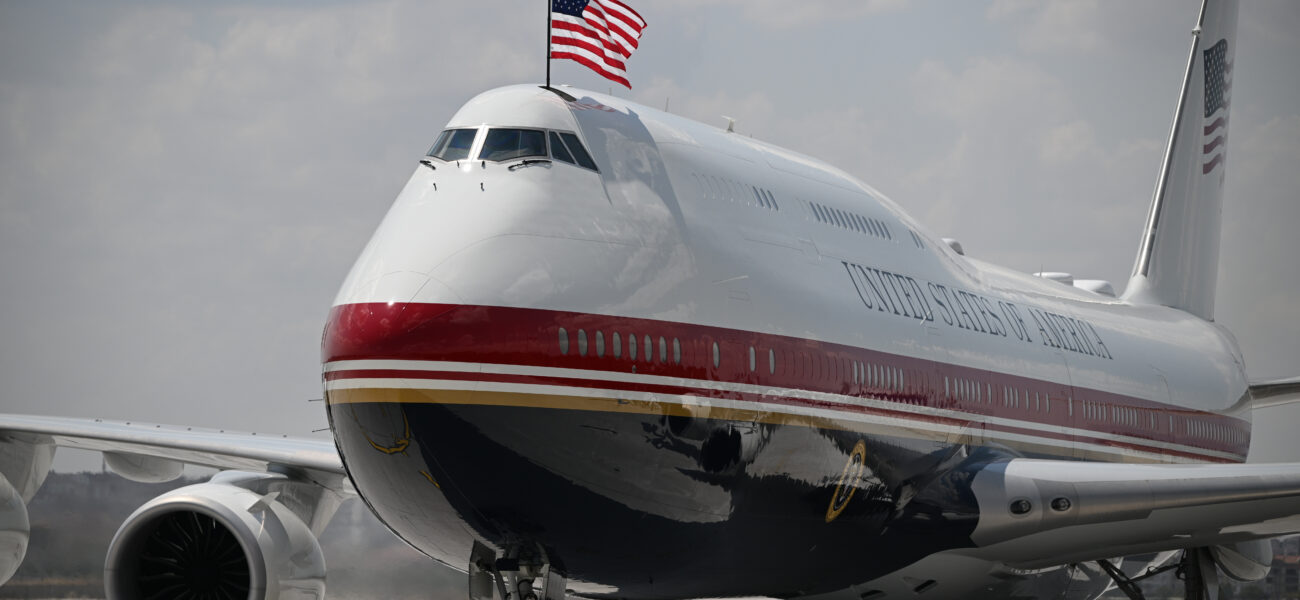
POLICY WIRE — Washington, D.C. — It’s often the procedural maneuvers, the seemingly bureaucratic hum, that betray the sharpest tensions between power centers. Nobody bats an eye at a filing; few read the fine print. But sometimes, those mundane bits of legal paperwork – say, a federal subpoena served on multiple journalists from one of the nation’s most storied newspapers – scream louder than any headline. That’s precisely what’s been unfolding, though perhaps more quietly than one might expect, as the U.S. Department of Justice (DOJ) takes aim at New York Times reporters concerning their reporting on Air Force One.
It isn’t a splashy public feud, not yet anyway. No televised tirades, no immediate grandstanding. Instead, it’s a methodical, almost sterile approach to digging into journalistic practices that feels unsettlingly familiar. Multiple Times reporters, we’re told, have found themselves on the receiving end of these formal demands. Their alleged transgression? Illuminating facets of presidential travel, details the government deems sensitive enough to warrant, well, *this* much legal muscle. And don’t imagine this is just some casual request; these aren’t friendly chats over coffee. We’re talking about forced disclosures, potentially revealing sources, forcing news organizations into uncomfortable positions. Because, you know, transparency is great until it’s about *their* secrets.
For the DOJ, this whole affair, it seems, boils down to a fundamental issue of national security. Senior officials there see any breach of classified information—however obtained by journalists—as a legitimate target for investigation. “Our duty is to safeguard sensitive national assets and operations,” explained Melinda Vance, a Justice Department spokesperson, in a terse, almost boilerplate statement. “That includes the protocols surrounding the Commander-in-Chief’s movements. We don’t prosecute journalism; we protect our country. Sometimes, those two responsibilities overlap in uncomfortable ways.” They’re trying to draw a line in the sand, you see, a line that says some details about presidential peregrinations are just too sacred for public consumption, no matter how newsworthy a publication deems them.
But Evelyn Reed, Executive Editor of The New York Times, isn’t buying that nuanced justification. Not for a second. “The chilling effect these subpoenas create is impossible to ignore,” Reed stated forcefully when asked about the matter. “Our reporters acted in the public interest, seeking to inform. To demand they reveal sources or confidential reporting methods—it’s an attack on press freedom, plain and simple. We won’t capitulate to efforts that undermine our ability to hold power accountable.” She’s got a point. You can’t expect good government without good reporting, and good reporting often hinges on protected sources willing to talk about things those in power don’t want aired out. And yes, a subpoena is just about the quickest way to dry up those sources.
This whole situation — Washington’s top law enforcement agency probing high-profile reporters for stories tied to the very symbols of American power, like Air Force One — carries weighty implications that stretch well beyond the Potomac. In places like Pakistan, for instance, where independent media often operates under immense pressure from both state and non-state actors, these kinds of legal broadsides from a self-proclaimed democratic champion don’t exactly inspire confidence. Islamabad’s struggles with press freedom are well-documented; local journalists often face outright harassment, arbitrary arrests, or worse for challenging official narratives. So when the U.S. government starts playing hardball with its own press, it provides convenient fodder for regimes keen to deflect criticism about their own suppression of dissent. They’ll say, ‘Look, even America does it.’ It’s not a good look, really, on the international stage.
📄 POLICY WIRE WHITEPAPER PUBLISHED: PAKISTAN'S NATIONAL SECURITY POLICY PRIORITIES
👉 READ BY CLICKING HEREAnd it complicates the United States’ moral standing when it attempts to advocate for journalistic protections abroad. You can’t preach press freedom from one side of your mouth while siccing your legal dogs on your own journalists with the other. The hypocrisy isn’t lost on many. This procedural conflict isn’t just about sources; it’s a battle over who controls the narrative, who decides what the public gets to know. It’s a contest for the heart of investigative journalism, truly. And, based on the Reporters Without Borders’ 2023 World Press Freedom Index, which ranks the United States at a middling 45th globally, there’s already plenty of room for improvement in America’s commitment to journalistic independence.
What This Means
Politically, this DOJ gambit is a calculated risk, signaling a willingness to push the boundaries of press protection in the name of—presumably—national security. The short-term win for the government, if they get the information they want, might feel satisfying in certain corners of the bureaucracy. But the long-term cost could be substantial. You’ll see a deeper chill among potential whistleblowers, and a more cautious approach from journalists tackling sensitive topics. That’s less information reaching the public, less scrutiny on those who govern. Economically? The impact is less direct, but a besieged press is a less effective press, and effective journalism contributes to a more informed public discourse, which underpins stable markets and responsible governance. It’s a foundational stone, really, of any healthy democracy.
For The New York Times, this isn’t just a legal skirmish; it’s a battle for principle. They’re going to fight this thing, tooth — and nail. They’ve to. Losing here would set a terrifying precedent for newsrooms everywhere. And imagine the legal costs, the drain on resources—that’s no small thing for any organization. Because if government agencies can routinely compel reporters to expose their sources, the whole edifice of investigative reporting crumbles. Who would ever come forward? This isn’t golf diplomacy or a triviality. It’s about accountability. We’re talking about the mechanisms by which a free society holds its most powerful institutions in check. When those mechanisms get jammed, it’s never good for democracy. For better or worse, America’s actions on press freedom have ripple effects that reach from its newsrooms all the way to the critical geopolitical arenas in South Asia and beyond. This subpoena story is more than just a squabble over plane logs; it’s a front in a larger, quieter war for truth.