


Kyiv’s Nightly Ritual: The Relentless Grind of Steel and Spirit
POLICY WIRE — Kyiv, Ukraine — The siren wails, it’s become less a warning, more a deeply irritating alarm clock for Kyiv’s beleaguered citizens. Another night bled into another grey...

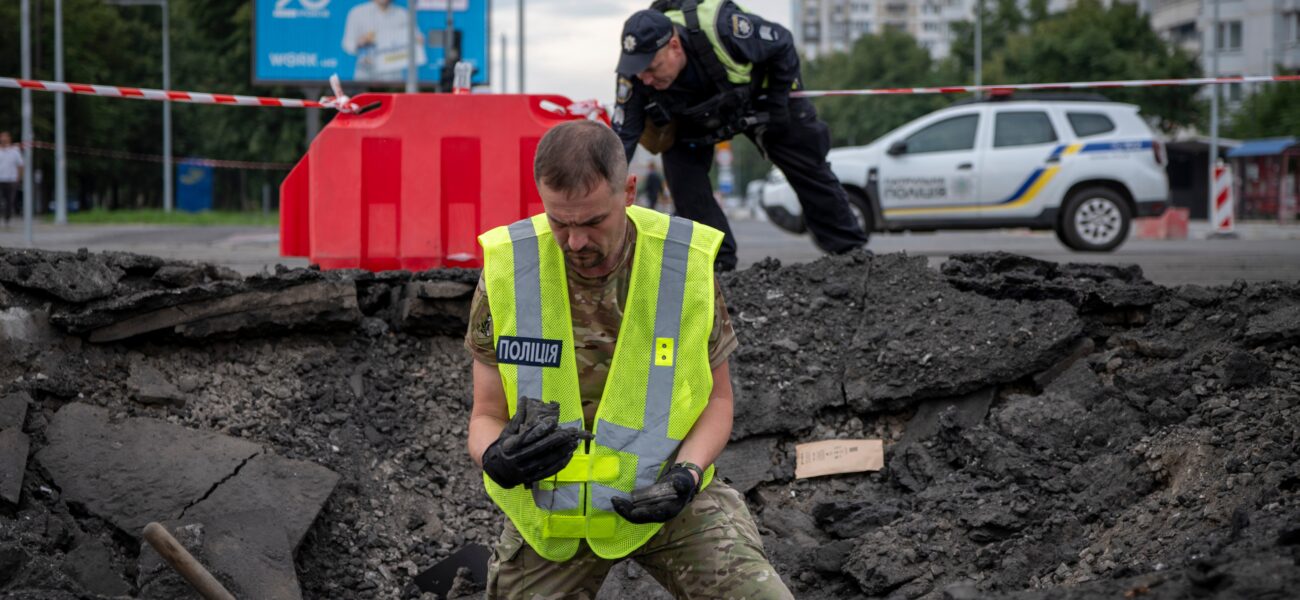
POLICY WIRE — Kyiv, Ukraine — The siren wails, it’s become less a warning, more a deeply irritating alarm clock for Kyiv’s beleaguered citizens. Another night bled into another grey morning, punctuated not by birdsong but by the distant thump of air defenses — and the closer, sickening crump of steel finding its mark. Ten people are patching up wounds and nursing raw nerves after Russia unleashed another barrage of missiles and drones across the capital, shattering homes and what little semblance of peace many have managed to claw back.
It’s a peculiar brand of normalcy, isn’t it? To wake, check your limbs, — and then tally the new cracks in the plaster or the fresh glass on the street. Residents here, they’re just trying to get on with it, navigating a daily existence where the simple act of breathing in peace seems a defiant act. You’ve got to admire the sheer grit of it all. But even grit wears thin.
And these aren’t merely random acts of destruction; they’re calculated. Kremlin strategists aren’t just aiming for infrastructure; they’re aiming for morale, for the frayed edges of a nation’s collective will. Ukrainian President Volodymyr Zelenskyy, in a defiant late-night address, captured the mood, saying, “They believe that if they break our windows, they break our spirit. They’re profoundly, fundamentally wrong. We’ve fixed too many windows, you know? Our spirit is not made of glass.” Strong words, certainly. But it takes more than words to mend a blown-out apartment block.
Mayor Vitali Klitschko, no stranger to a fight (he’s seen plenty in the ring, certainly), spoke from a damaged district, the acrid scent of ozone hanging in the cool morning air. “This isn’t about targets. This is terror. Pure and simple. Every explosion is a lie to anyone who thinks this war isn’t about eradicating us, our culture, our way of life.” It’s a weary determination, one you see etched on every local’s face, from the babushka sweeping rubble outside her stoop to the young soldier heading back to the front.
Russian defense officials, predictably, issued their boilerplate statements about targeting “military installations” and “decision-making centers.” Because a residential building or a playground, you see, is clearly a strategic stronghold. They peddle this narrative with a straight face, even as images of destroyed homes fill global news feeds. The world watches, sometimes with outrage, often—sadly—with a growing sense of detachment.
The numbers don’t lie, or at least they try not to. Since the conflict began, according to recent assessments from the UN Human Rights Monitoring Mission in Ukraine, over 11,000 civilians have been killed. A hard figure. Not just statistics, these are people, lives snuffed out. For every one of those numbers, there’s a family that’s broken, a community in grief. It’s an inconvenient truth, tucked away behind geopolitical rhetoric.
📄 POLICY WIRE WHITEPAPER PUBLISHED: PAKISTAN'S NATIONAL SECURITY POLICY PRIORITIES
👉 READ BY CLICKING HEREBecause the repercussions, they ripple outwards. Far beyond the shattered concrete of Kyiv, the conflict impacts everyone. Think about global food supplies, for instance. Ukraine, the traditional ‘breadbasket of Europe,’ used to feed millions. Disrupted harvests, blockaded ports — it all spells rising prices and tightening belts for nations reliant on those exports, places like Pakistan and other states across the Muslim world, where food security can be a hair-trigger issue. We’ve seen these governments juggle domestic pressure and international allegiances, often navigating a tricky balance between condemnation of aggression and the very practical need to keep their own populations fed, especially when Russia dangles cheap energy or grain.
What This Means
These persistent, albeit often less devastating, missile and drone attacks aren’t just tactical skirmishes; they represent Russia’s continued commitment to psychological warfare. Politically, they serve as a blunt instrument to erode international support for Ukraine, hoping to demonstrate the futility of prolonged resistance. The aim is to make the daily horrors appear ‘normal,’ thus dampening global empathy — and resolve. Economically, these strikes, however localized, create chronic instability. Investors—foreign and domestic—remain wary, stifling any real talk of robust post-war recovery. You can’t rebuild confidently if you expect your new roof to become shrapnel tomorrow.
the war’s protraction deepens existing global fault lines. For many countries in the Global South, especially those in South Asia, the perceived Western bias in aiding Ukraine, while other long-standing conflicts remain unresolved or underfunded, fuels a cynical view of international diplomacy. It’s not just about the fighting in Kyiv; it’s about whose suffering gets prioritized, — and why. This disparity fosters mistrust and complicates efforts to build truly global coalitions on pressing issues, be it climate change or humanitarian aid. And Russia, knowing this, cleverly exploits those resentments.
Ultimately, these nightly bombardments are a stark reminder of a war of attrition, one fought not just on battlefields but in the minds of populations both near and far. The immediate human cost is obvious, but the longer-term geopolitical and economic shadows it casts are truly frightening—and incredibly persistent. Just like those sirens.