

Soft Power Showdown: Miami’s Pitch, Europe’s Rivals, and the Global Audience
POLICY WIRE — Miami, USA — When Norway and England square off in a World Cup quarter-final this Saturday, it isn’t just about football. Oh no. It’s about sovereign wealth, a carefully...

POLICY WIRE — Miami, USA — When Norway and England square off in a World Cup quarter-final this Saturday, it isn’t just about football. Oh no. It’s about sovereign wealth, a carefully cultivated national brand, and the often-unseen theatre of soft power played out on a sun-baked Miami pitch. Think less about tactics, more about influence. This particular encounter? It’s a clash of two distinct European identities — the pragmatic Nordic social democracy versus a post-Brexit Britain, still very much charting its global course.
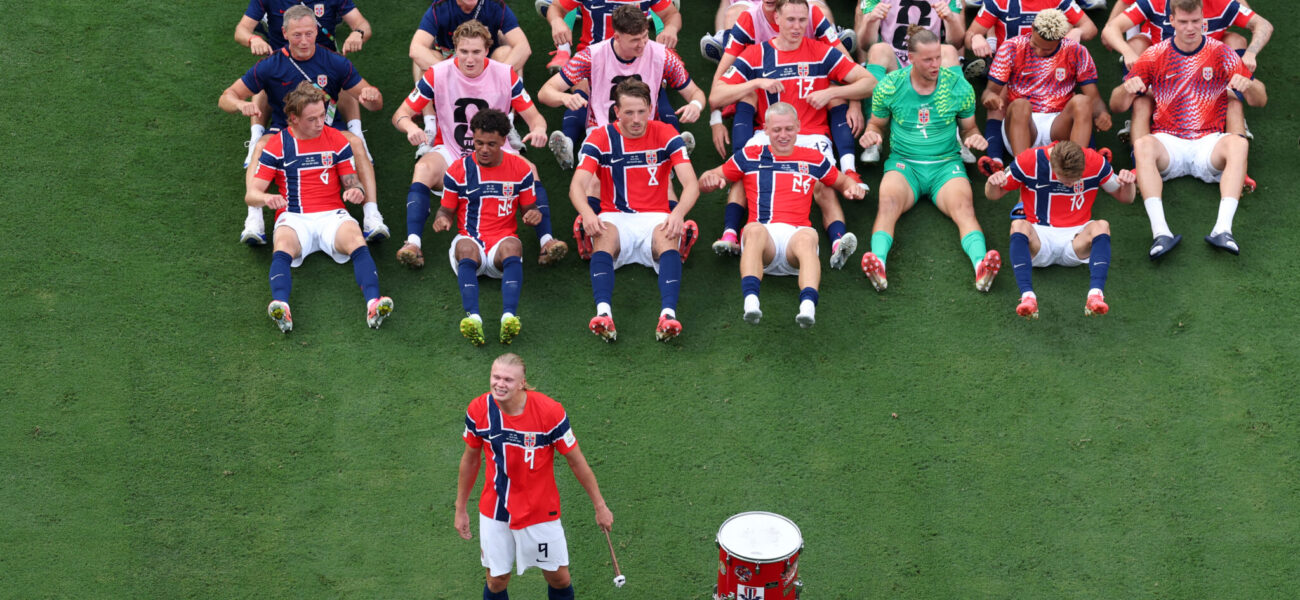
It’s a peculiar thing, sport, how it can morph from mere entertainment into a potent vehicle for international messaging. Every sprint, every save, becomes an unspoken statement about national character, economic dynamism, and cultural reach. And Norway, the unyielding Scandinavian disruptors, have been making a heck of a lot of statements lately. They’ve bulldozed their way through the tournament, a surprisingly formidable force. They’ve secured four victories in five outings, leaving behind the likes of Ivory Coast — and Brazil in their wake. They don’t just play the game; they dictate its narrative.
Their star striker, Erling Haaland, a titan of marketing as much as athleticism, stands as a stark symbol of this. Seven goals into the competition, trailing only the planet’s two most recognizable footballers, Lionel Messi and Kylian Mbappé, Haaland is more than a player. He’s a walking, breathing, scoring embodiment of Norwegian excellence on the global stage. He’s Norway’s most potent non-oil export right now, arguably. As one former ambassador, now a senior analyst at the Oslo-based Norwegian Institute of International Affairs, quipped recently, “Haaland generates more goodwill for Norway in a single match than decades of bilateral trade negotiations.” You can bet that sentiment resonates from Bergen to Brussels.
And then there’s England, who are themselves battling a minor ailment crisis in the camp, compounding the already complex logistical hurdles of international football. A handful of players, sidelined by varying degrees of ‘fitness concerns’ (read: knocks and niggles that are carefully managed), underscores the sheer grind of elite competition. The absence of Harry Kane, of course, was always going to cast a long shadow. But England still parades Martin Ødegaard, Arsenal’s captain, whose deft touches and strategic vision anchor Norway’s midfield. It’s a compelling contrast.
This match is poised, say observers, not just as a quarter-final, but as a fascinating barometer of shifting European soft power. Because how the English machine, the progenitors of modern football, stacks up against Norway’s youthful, almost audacious, exuberance — it matters. Especially in capitals watching far beyond Europe’s shores. Don’t forget that these spectacles aren’t confined to a Western audience. The sheer, colossal scale of global football engagement means games like this capture imaginations from Lahore to Lagos. For example, the 2022 World Cup saw a staggering 25% of its total viewership originate from Asia alone, a figure that includes significant engagement from South Asia and the broader Muslim world.
📄 POLICY WIRE WHITEPAPER PUBLISHED: PAKISTAN'S NATIONAL SECURITY POLICY PRIORITIES
👉 READ BY CLICKING HEREA triumphant Norwegian side, buoyed by the global superstardom of Haaland, inadvertently strengthens Norway’s brand identity, amplifying its commitment to innovation and global cooperation — qualities it often highlights in its development and peace initiatives, many of which are active in parts of South Asia. They don’t just sell natural gas; they sell an image of competent, modern governance. A well-fought English victory, conversely, could help project a sense of enduring strength and global relevance, reinforcing connections with Commonwealth nations and trade partners alike.
What This Means
The geopolitical implications here are subtle, but potent. A World Cup run for either nation translates directly into heightened visibility and, frankly, desirability. For Norway, it reinforces a narrative of agile modernity and success beyond traditional economic indicators, making its arguments in international forums, from climate talks to UN Security Council debates, seem that much more compelling. Imagine Haaland, a truly global phenomenon, being leveraged to discuss, say, sustainable energy partnerships in developing countries. Norwegian Foreign Minister Espen Barth Eide reportedly observed, “A strong showing from our boys on the international stage does more for our national standing than any single diplomatic summit could hope to achieve. It simplifies every conversation we have abroad.” This sort of popular acclaim provides diplomatic leverage; it’s a silent nod of approval that translates into real-world influence. Who’d want to argue with a winning nation?
For England, long reliant on the enduring, if somewhat faded, soft power of its monarchy and language, a deep tournament run reasserts its sporting prowess and competitive edge in an era when it’s actively forging new global trade alliances. It bolsters national morale, certainly, but also reinforces the ‘Global Britain’ narrative – showcasing a country that’s competitive, innovative, and still capable of conquering on a global scale. This match, then, is a contest for bragging rights, yes, but also a proxy battle for global perception. Each goal, every last-ditch tackle, resonates beyond the white lines of the pitch, shaping perceptions in capitals where economic and diplomatic decisions are made. This isn’t just sport; it’s international relations by other means.