


Beijing’s Ascent: Reusable Rocket Victory Recasts Global Space Race
POLICY WIRE — Washington, D.C. — For decades, the space race conjured images of Cold War giants hurtling metal into the heavens, a spectacle of brute force and national pride. But what if the real...

POLICY WIRE — Washington, D.C. — For decades, the space race conjured images of Cold War giants hurtling metal into the heavens, a spectacle of brute force and national pride. But what if the real celestial struggle now unfurled not in monumental launches, but in the mundane, yet revolutionary, act of catching what falls?
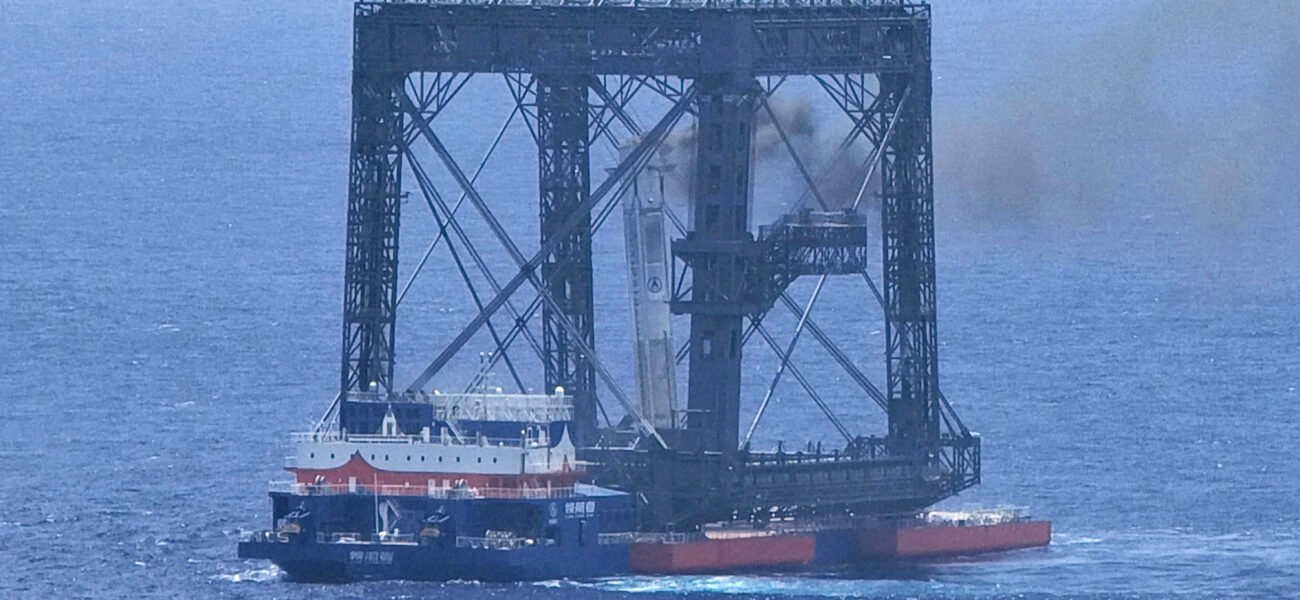
It’s less a sprint to the moon — and more an economic marathon, folks. China, with characteristic pragmatism, hasn’t just joined the exclusive club of nations capable of reusing rocket stages; it’s declared a quiet, but unmistakable, intent to dominate it. They’ve managed the complex ballet of guiding a first-stage booster back to Earth, not into the ocean, but onto a designated landing zone—a technical feat previously synonymous with Silicon Valley’s entrepreneurial swagger. This isn’t about bragging rights anymore. It’s about radically shrinking the price tag of getting off this planet. [QUOTE_PLACEHOLDER]
And that, truly, changes the game. Space is expensive. Like, unbelievably so. Traditionally, a multi-million dollar rocket stage — the literal backbone of any launch — is expended after a few minutes, turning into glorified space junk or a deep-sea casualty. Reusing that gargantuan piece of hardware isn’t just about saving money; it’s about making space access a whole lot less prohibitive for a wider array of players, state-backed or commercial. You’d think the initial headlines would scream, but the achievement, while undeniable, settled into the news cycle with the quiet confidence of a well-oiled machine.
Industry projections, for instance, hint that successful reusable rocket operations could slash satellite launch costs by up to 70% over the next decade, according to some aerospace industry analysts. Imagine what that does for competition. Beijing isn’t merely demonstrating parity with Western innovation; it’s carving out an undeniable strategic advantage. This wasn’t some grandstanding; it was a deeply practical flex, aimed squarely at long-term economic and geopolitical leverage.
The geopolitical tremors from this technical win extend far beyond Earth’s atmosphere. Nations like Pakistan, navigating their own intricate aerospace ambitions, watch closely. While Islamabad’s space program, like many in the region, focuses on Earth observation and communications satellites for developmental and security needs, cheaper launch options are always a game-changer. They’re already leveraging collaborations, most notably with China. This development just sweetens the deal. But it’s not just the direct partners. Any nation looking to cut costs, particularly in the developing world—and that’s a whole lot of them—will now find Beijing’s orbit-ready services even more attractive. And cheaper. It’s about leveraging infrastructure, expanding influence, and democratizing access on terms favorable to the new masters of space.
But there’s a deeper, more immediate implication for a global market already reeling from various crises. More accessible space means more satellites. More satellites mean more data. More data impacts everything from agriculture to climate monitoring to national security. China’s move means they’ll likely capture an even larger slice of that rapidly expanding pie, forcing other space-faring nations—old guard and aspiring—to re-evaluate their own investment and strategy.
📄 POLICY WIRE WHITEPAPER PUBLISHED: PAKISTAN'S NATIONAL SECURITY POLICY PRIORITIES
👉 READ BY CLICKING HEREIt’s no small thing for any nation, especially one that continues its ascent on the global stage, to master technologies once the sole purview of a select few. It shows resilience, certainly. It shows foresight, absolutely. But it also presents a fresh challenge to the current international order, proving yet again that the twenty-first century’s great power competition will play out not just on land or sea, but in the unforgiving vacuum of space. The dust has barely settled on the landing pad, — and already, the implications are vast.
What This Means
This achievement isn’t just about rockets; it’s about redefining economic power — and geopolitical sway. China’s reusable launch capability radically lowers the entry barrier to space, making satellite deployment cheaper and more frequent. Economically, this positions Beijing to potentially undercut global competitors, further solidifying its command in the commercial space market. We’re talking about a future where launching dozens of satellites for communication, defense, or scientific research becomes an order of magnitude more affordable for any nation or corporation that partners with China.
Politically, this translates into expanded influence. Developing nations, including those in South Asia or the broader Muslim world with nascent or ambitious space programs, will find China an increasingly appealing and cost-effective partner. This isn’t altruism; it’s strategic partnership building, tightening allegiances and expanding Beijing’s global footprint, potentially at the expense of traditional Western dominance. It also poses significant security considerations; cheaper, more frequent launches make rapid deployment of reconnaissance or communication satellites a reality, altering strategic balances. It’s a stark reminder that the frontier of innovation often redraws the boundaries of power, forcing everyone to recalibrate their position in a newly defined cosmos. This isn’t some quaint historical re-enactment; it’s a tangible, high-stakes contest for future influence, happening right now above our heads. It’s real. And it’s not slowing down.