


Beyond the Cheers: Rutgers Stars Honored in Big Ten’s Nod to Character, Not Just Cleats
POLICY WIRE — Piscataway, NJ — In a landscape increasingly fixated on NIL deals and transfer portal drama—a real wild west, if you ask some—the Big Ten Conference just threw a rather curious...

POLICY WIRE — Piscataway, NJ — In a landscape increasingly fixated on NIL deals and transfer portal drama—a real wild west, if you ask some—the Big Ten Conference just threw a rather curious curveball. No, it wasn’t another blockbuster coaching contract or an intricate new media rights agreement. Instead, it was an acknowledgment of something far more… old school. They handed out the annual Big Ten Outstanding Sportsmanship Award, a quiet nod to what’s arguably a vanishing breed: the collegiate athlete who manages to excel not just on the field or in the pool, but in the classroom, in the community, and apparently, within the nebulous realm of ‘ethical behavior.’
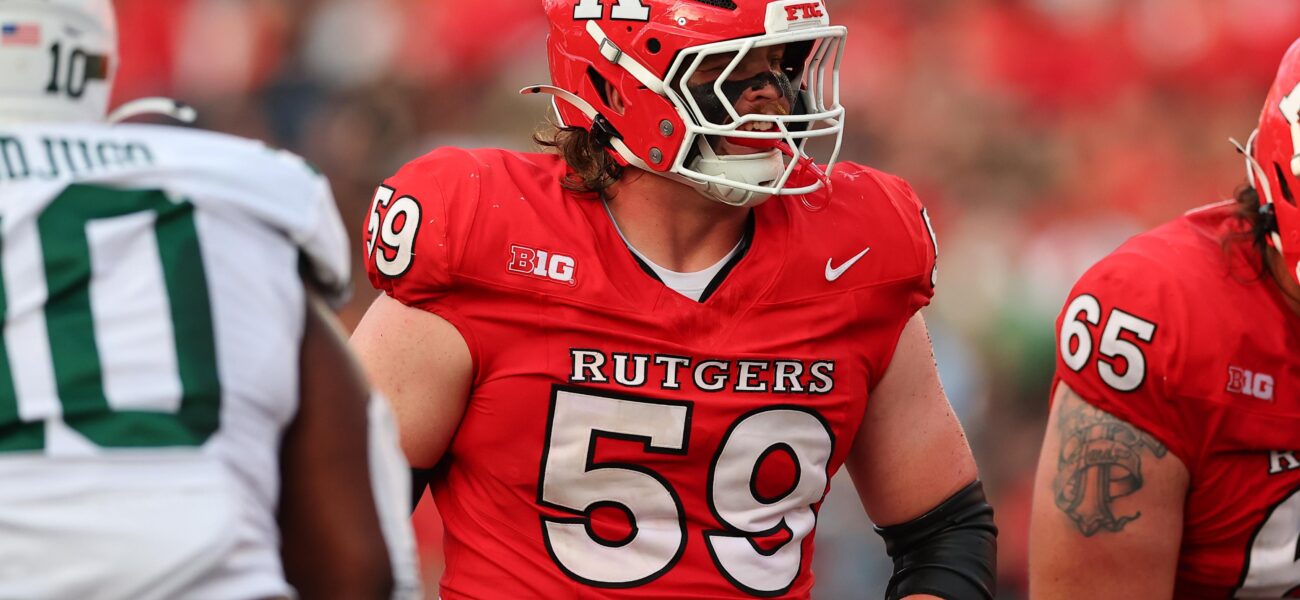
It’s almost quaint, isn’t it? As if anyone still expects their football heroes to also be civics club presidents. But for Rutgers, this year saw two of their own, football center Gus Zilinskas and swimmer Katherine Lang, step into that rather unfashionable spotlight. They weren’t celebrated for record-breaking touchdowns or Olympic qualifying times; instead, they were praised for being, well, decent people. And that, in an era where headlines often scream of scandals, feels less like news and more like a carefully orchestrated public relations maneuver, an effort to polish the tarnished brass ring of college athletics.
Zilinskas, a man who anchored the Scarlet Knights’ offensive line through 41 starts and an impressive 38 consecutive run in the trenches over three years—that’s dedication, folks, even if it’s not always pretty to watch—wasn’t just blocking. He was also racking up academic accolades in performance psychology, joining the National Football Foundation Hampshire Honor Society, and snagging Academic All-Big Ten honors four times. It’s a resume that’d make a corporate HR department salivate. Lang, meanwhile, cut through the water — and campus bureaucracy with equal prowess. A two-time team captain, she led the Rutgers Student-Athlete Advisory Committee—first as Vice President, then as President. She balanced backstroke, individual medley, and relay events with a Public Health major and a business minor, all while pulling in three Academic All-Big Ten selections and a postgraduate scholarship. Seriously, where do they find these people? Don’t they ever just, you know, chill?
And so, these two students are held up as exemplars, symbols of the vanishing ideal of the student-athlete. The kind of folk who, for better or worse, the athletic departments can trot out to assuage critics and justify multi-million dollar investments. But it’s hard not to wonder about the broader message here. Are we genuinely celebrating these values because they’re intrinsic, or because they offer a palatable counter-narrative to the transactional nature of modern college sports?
“These awards aren’t just about what happens on the playing field,” quipped Big Ten Commissioner Kevin Warren, in a statement surely drafted by a committee. “They’re about the integrity — and character we hope to cultivate in every young person under our banner. It’s an investment in their future, beyond wins and losses.” A sentiment as wholesome as apple pie—and just as difficult to disagree with, publicly at least.
Because frankly, it’s about perception, isn’t it? College athletics isn’t just a game; it’s a massive, multi-billion-dollar enterprise. A 2023 report from the NCAA stated that the average FBS athletic department pulled in over $120 million in revenue, a figure that’s more often linked to corporate balance sheets than campus good deeds. Keeping the ‘student’ in ‘student-athlete’—or at least the optics of it—is crucial for maintaining that sweet, sweet tax-exempt status.
Rutgers Athletic Director Pat Hobbs, reflecting on the departures, echoed the official line, but with a touch more warmth, saying, “Gus and Katherine don’t just leave a void on our rosters; they leave a template for genuine leadership. You don’t often find young people with their talent — and their moral compass running in tandem like that. They’ve really set the standard for their successors.” That’s the hope, isn’t it? That someone else will pick up that mantle. That it’s not just a fleeting moment of decency in a cynical system.
What This Means
This award, on the surface a feel-good story about good kids, tells a more intricate tale about the political economy of college sports. It’s not just about a gold medal; it’s about brand management. Universities, particularly those within power conferences like the Big Ten, operate as massive commercial entities. Their ‘products’ aren’t just degrees, but highly marketable athletic programs. The public—and critically, prospective student-athletes and their parents—expects a veneer of ethical probity, even amidst the swirling currents of professionalization.
Recognizing athletes like Zilinskas and Lang serves to bolster this image, offering a symbolic counterpoint to persistent criticisms regarding player exploitation, academic shortcuts, and the undue influence of money. It’s a PR win, plain and simple. And from a political standpoint, it reminds lawmakers—who frequently scrutinize the non-profit status of athletic organizations—that collegiate sports are ostensibly still about developing well-rounded individuals. They’re telling us, look, it’s not all about the bottom line, it’s about character. A similar narrative plays out even in regions like Pakistan, where sports personalities, particularly in cricket, are frequently held up as moral paragons, their character scrutinised as intensely as their performance, because they symbolize national values and aspirations. It’s a universal currency, this idea of the ‘exemplar.’ But, you know, here it’s often about maintaining institutional legitimacy, not just national pride. For a closer look at the spectacle of modern fandom and its often-bizarre undercurrents, one might observe how bizarre spectacles redefine modern sports fandom globally. The Big Ten just added a touch of calculated normalcy to the chaos.