


Ashes to Ashes: Spain’s Inferno, a Grim Forecast for Global Climates
POLICY WIRE — Malaga, Spain — The scorched earth tells a familiar story here. Not just of fire, of course, but of neglect, of delayed reckoning. And it’s a tale that grows more haunting each...

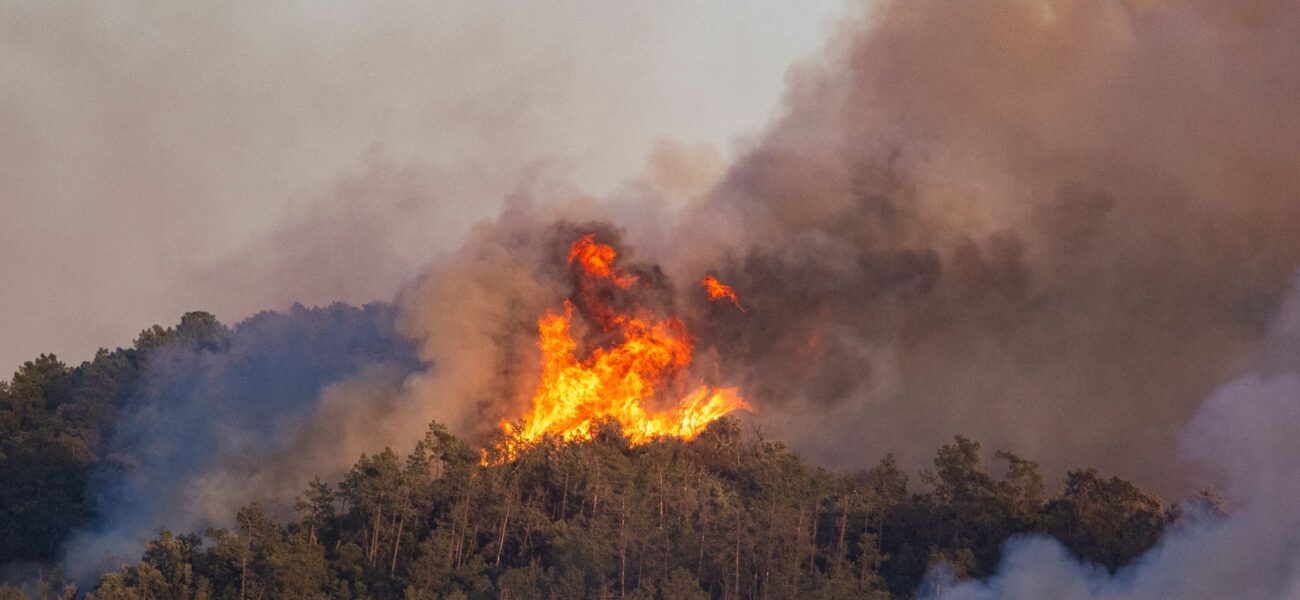
POLICY WIRE — Malaga, Spain — The scorched earth tells a familiar story here. Not just of fire, of course, but of neglect, of delayed reckoning. And it’s a tale that grows more haunting each sweltering summer across Europe. This past week, twelve lives got snuffed out amidst a raging inferno in southern Spain, near the sun-baked hills of Malaga. They weren’t just statistics; they were parents, siblings, dreams. Their end wasn’t a sudden, isolated catastrophe, you see. It was another brutal chapter in a growing saga that policy wonks and climatologists have been whispering, or rather shouting, about for years.
It began as a brush fire—they often do—fueled by months of parched conditions and temperatures that stubbornly refused to dip below forty degrees Celsius. Winds, as if directed by some malevolent choreographer, then whipped the modest blaze into a monster, swallowing hectares of pine forest and scrubland with horrifying speed. People didn’t stand a chance. It wasn’t about heroism; it was about survival, a mad dash against an enemy that consumed everything in its path.
Emergency services scrambled, a blur of red — and yellow amidst the smoky haze. Water-bombing planes, helicopters, thousands of firefighters—they all joined the fray. But the sheer scale, the ferocity, it quickly overwhelmed them. “We’ve got protocols, yes, and some of the best-trained personnel on the continent,” Javier Fernández, Andalusia’s regional emergency commissioner, stated with a weary resignation that spoke volumes. “But what do you do when nature throws biblical challenges at you year after year? We’re talking about an ecosystem under siege. This isn’t just fire season anymore; it’s fire years.” It isn’t a plea; it’s an acknowledgment of brutal truth. And he’s not wrong.
Because the real narrative isn’t just the blaze itself, it’s what ignited it—and what keeps sparking these conflagrations. The climate isn’t just changing; it’s in full-blown revolt. Spain, particularly its sun-drenched south, finds itself on the front lines, a harbinger of the ecological calamities barreling down on us all. We’ve seen record temperatures across the Mediterranean this summer, not just in Spain. Portugal, Italy, Greece—they’re all breathing smoke. Data from the European Forest Fire Information System (EFFIS) reveals that in 2023 alone, the continent lost over 150,000 hectares to wildfires, a sobering testament to an accelerating trend.
This isn’t some distant problem, either. The repercussions don’t stop at Europe’s borders. The world is connected, sometimes inconveniently so. What happens to agricultural output in a major food-producing nation like Spain, say its olive oil or citrus, has knock-on effects for markets far beyond the Mediterranean basin, impacting food security even in nations like Pakistan or those across the wider Muslim world, where a stable supply of imported goods can be crucial for household budgets and national stability. And that’s a global problem, whether we like it or not.
Dr. Elena Rojas, a climate policy expert based in Brussels, minced no words when discussing the political paralysis. “We talk of carbon targets — and green transitions, but these fires? They’re an alarm bell ringing in the most aggressive way possible,” she noted, frustration lacing her voice. “Europe’s got to move beyond reactive firefighting. It’s about proactive land management, climate mitigation, and perhaps most uncomfortable, facing uncomfortable truths about consumption and economic models. We’re running out of runway here, folks.” It’s stark. It’s immediate. It’s exactly what’s needed.
What This Means
The tragedy in southern Spain isn’t merely a local disaster; it’s a stark, smoking portrait of policy failure at both national and continental levels. Economically, the hit to Spain’s already delicate agricultural sector will be significant. We’re talking lost crops, devastated ecosystems, and a chilling effect on the lucrative summer tourism that props up vast swathes of the Andalusian economy—visitors aren’t exactly lining up for a landscape shrouded in ash and reeking of burnt timber. Insurance claims? They’ll skyrocket. Reconstruction efforts? Massive. This isn’t just a budget line item; it’s a drain.
Politically, these recurring infernos expose deep fissures. Governments are caught between the immediate humanitarian crisis and the long-term, expensive, politically inconvenient solutions required to address climate change head-on. There’s a subtle, almost cynical irony at play: leaders offer solemn condolences while sidestepping the harder conversations about fossil fuels or urban planning in fire-prone regions. But electorates aren’t stupid; they’re connecting the dots, perhaps more slowly than the planet is warming, but connecting them nonetheless. This might just ratchet up public pressure on the EU to actually deliver on its lofty climate goals, instead of just drafting reports.
It suggests a shift in focus is coming, whether we want it or not. Because when entire regions turn into tinderboxes, when lives are lost with this kind of regularity, the argument for slow, measured change starts to burn down along with the forests. It really does.