


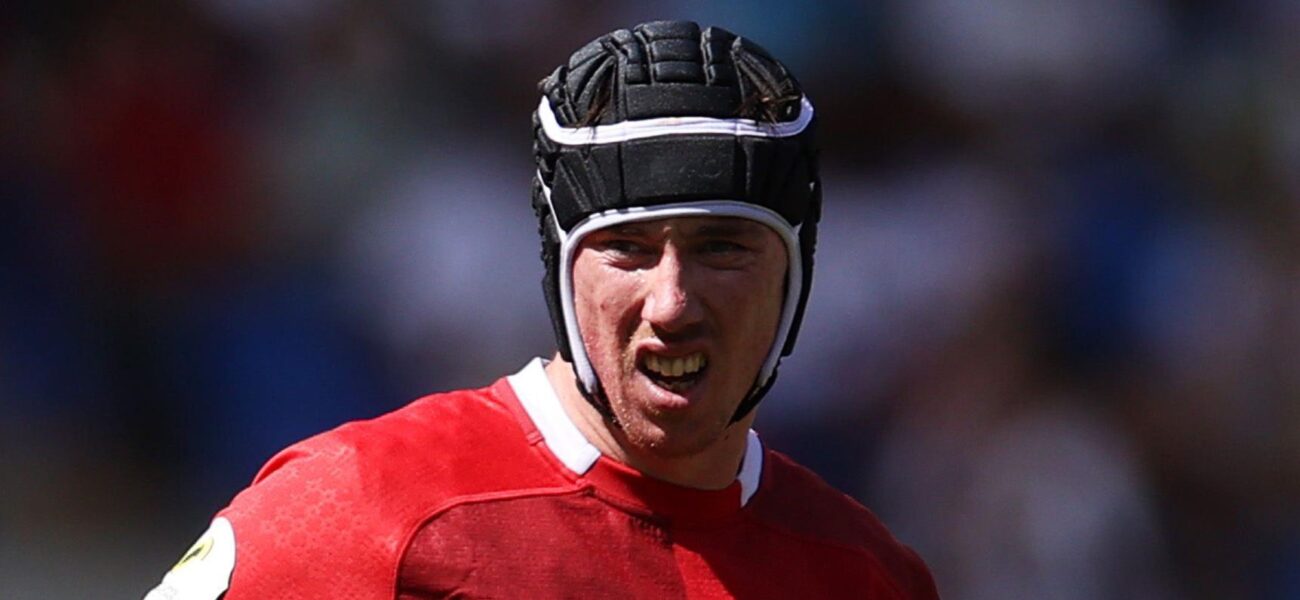
Wales Rugby Veteran Adam Beard Navigates Hostile Crowds and Redemption in Argentina
POLICY WIRE — Cardiff, Wales — Eight years. That’s a significant stretch in the ephemeral world of professional sports. Careers flare up, burn bright, — and often sputter out long before a decade...

POLICY WIRE — Cardiff, Wales — Eight years. That’s a significant stretch in the ephemeral world of professional sports. Careers flare up, burn bright, — and often sputter out long before a decade passes. Yet, some figures endure, not just through sheer athleticism, but through a kind of quiet, almost stubborn resilience that feels less like triumph and more like an unending negotiation with gravity. Take Adam Beard, the imposing Welsh lock, a man whose professional journey often mirrors the subtle geopolitical shifts that rarely grab headlines.
This weekend, he’s back in Argentina, staring down a match against the Pumas in San Juan. And yes, he’s been here before. He started when Wales clawed out a 23-10 win against them, all the way back then. But don’t start imagining some triumphant homecoming for a beloved conqueror. Not quite. For the grizzled veteran, it’s more about the perpetual grind, the unforgiving circuit of international rugby that demands peak performance even when the body screams for reprieve. They’ve changed the squad a lot since his last trip to San Juan. The faces are different; the stakes, however, remain immutable: national pride, a pay check, and the relentless demand for results.
It’s not all sunshine — and nostalgic smiles, either. The landscape of top-tier rugby has evolved. Players, even established internationals, frequently make hard choices—moves abroad to secure their futures, embrace new challenges. Beard himself spent a demanding inaugural season with French club Montpellier, an experience that seems to have left him both battered and undeniably sharper. [QUOTE_PLACEHOLDER] “I have personally loved it and it was probably the best decision I’ve made rugby wise so far for myself and my family,” he revealed, hinting at the deeply personal cost-benefit analysis behind such a move. It’s a brutal, physical league where you’ve got to play 30 games a season, but the reward, he asserts, is a different level.
But how does one square a successful club stint with a less-than-stellar turn on the national stage? It’s complicated, naturally. Beard recently weathered a particularly harsh public spotlight during the Six Nations, a performance against France that he himself didn’t gloss over. [QUOTE_PLACEHOLDER] he admitted, with a candour that’s often missing in the carefully curated statements of athletes. He called it [QUOTE_PLACEHOLDER] Most players, frankly, wouldn’t go there.
He got dropped to the bench, his role shifted. But that’s the deal, isn’t it? The best — or perhaps just the most tenacious — adapt. [QUOTE_PLACEHOLDER] “I feel like I adapted well to that role coming off the bench.” This wasn’t some minor league outing, mind you. This is the rarefied air of international sport, where every fluffed lineout or missed tackle becomes a public dissection. And when Exeter captain Dafydd Jenkins was sidelined by a shoulder injury, the door creaked open for Beard again. He grabbed it. [QUOTE_PLACEHOLDER] It’s the cycle of professional life. Every success, every stumble, simply sets up the next act. You just don’t get to stand still.
Now, Beard — and his teammates brace for the famed Argentine hospitality – on the field, that’s. The Estadio San Juan del Bicentenario is no coliseum, but a tighter, more personal affair, seating just over 25,000 raucous fans. [QUOTE_PLACEHOLDER] Beard noted, clearly relishing the pressure. But then, as veteran coach Steve Tandy observed, that’s just the kind of guy Beard is. Tandy, who’d coached Beard back in their Ospreys days, praised his most recent performance against Fiji as “one of his best games for us last weekend,” adding, “The response shows what Beardy is as a bloke.” That kind of internal validation can be as potent as any roaring crowd.
📄 POLICY WIRE WHITEPAPER PUBLISHED: PAKISTAN'S NATIONAL SECURITY POLICY PRIORITIES
👉 READ BY CLICKING HEREIt’s a long season, an almost endless one for those at the top. This jaunt to Argentina — and next weekend’s clash in Durban against South Africa will cap it off for Beard. He’s won his 67th cap. He’s pushing thirty, an old man in rugby terms, but still feels like he’s got plenty to offer the Welsh jersey. But his experience offers a different kind of lesson – a blueprint for perseverance in a cutthroat, global arena, where allegiances are tested and careers redefined.
What This Means
Adam Beard’s journey reflects a microcosm of larger global patterns. His move to France, for instance, isn’t just about personal choice; it highlights the increasing financial draw and professional development opportunities in well-resourced leagues, often at the expense of national domestic competitions. This phenomenon isn’t exclusive to European rugby; we see it in cricket, football, and countless other professional sports worldwide. Young Pakistani cricketers, for example, often eye lucrative T20 leagues in the UAE or Australia, drawn by better pay and international exposure that sometimes overshadows the local circuit. The economic implications are stark: talent flows to where opportunity is greatest, regardless of traditional borders or sentimental ties.
And then there’s the politics of national identity, wrapped in a jersey. Beard’s public struggle, his brief sidelining, and subsequent resurgence against Fiji speak volumes about a nation’s expectation. In Wales, like in Pakistan or any nation where sports provide a collective identity, performance on the field isn’t just about winning or losing; it’s a reflection of national morale, a brief, intensely focused symbol of collective striving. This intense scrutiny and the demand for resilience, even from an individual player, underscore a universal truth: in the realm of international competition, every contest, every comeback, becomes a narrative about more than just the game. It’s about the stories we tell ourselves, the enduring belief in our own collective strength in the face of external challenges. For a fascinating dive into how global perception affects even regional economic output, consider reading Flyover Power Play: How an Unsung Economic Region ‘Routeda’ Global Perceptions, Sending Ripples to Lahore. It’s a different kind of contest, but the principles of public perception — and economic leverage are eerily similar. This match, ultimately, is a test of character—not just for Beard, but for the entire Welsh squad, as they navigate the pressure of reclaiming ground lost and reaffirming national sporting pride, an echo of what Ronaldo’s World Cup Swan Song touched on in a much grander, more tragic way.