


Political Purism’s Peril: MSNBC Voice Rekindles Left’s Maine Feud
POLICY WIRE — Washington, D.C. — A whisper in the halls of power can quickly become a shout across the airwaves. Especially when that whisper suggests political suicide as a legitimate strategy. Such...

POLICY WIRE — Washington, D.C. — A whisper in the halls of power can quickly become a shout across the airwaves. Especially when that whisper suggests political suicide as a legitimate strategy. Such was the sentiment this past week when an MSNBC host, known for her sharp commentary, appeared to offer Maine Democrats what some are calling ‘permission to not vote’ under certain circumstances. It’s an interesting maneuver, this suggestion, one that peels back layers of ideological conflict bubbling beneath the surface of contemporary American liberalism.
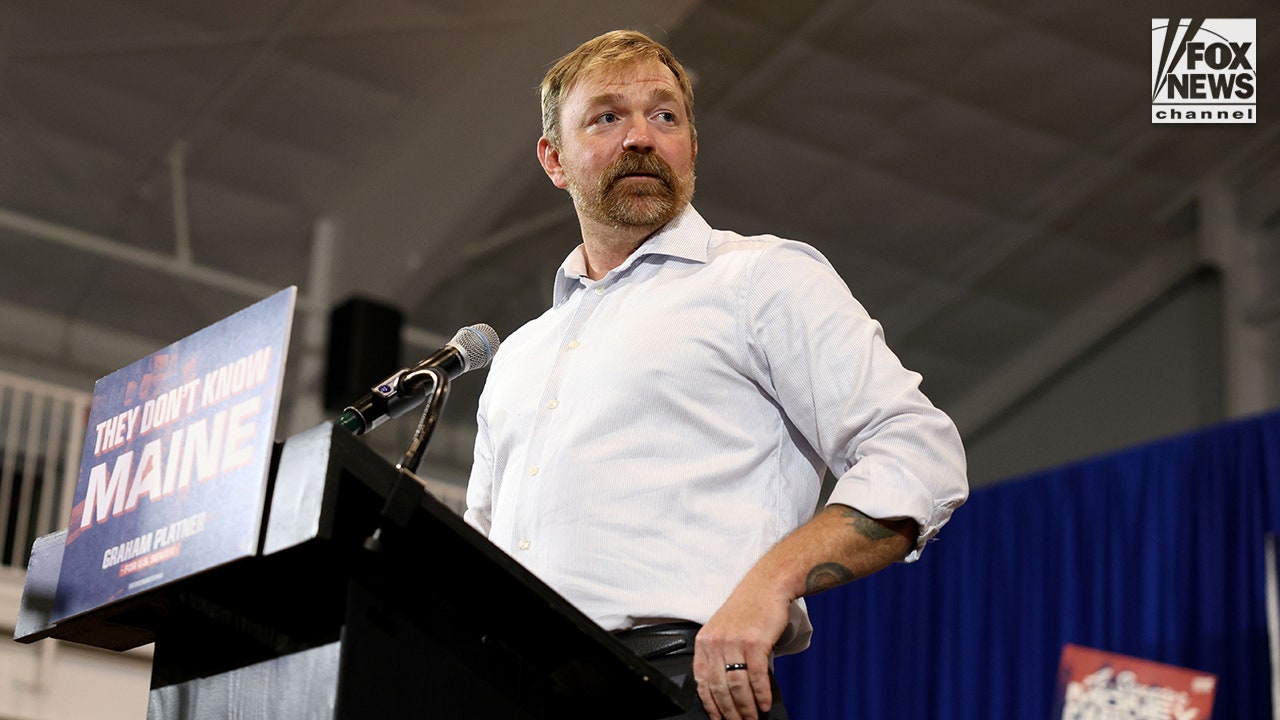
It wasn’t a call to arms for revolution, more like an instruction for selective disengagement. The target of this advice, a segment of Maine Democrats, found themselves navigating the fraught waters between progressive zeal and pragmatic electability. The specific scenario outlined was hypothetical, but deeply telling: what if the party establishment — that ever-present bogeyman for the Left — decided to swap out a figure like Graham Platner, a presumptive standard-bearer for the progressive wing, with someone deemed more ‘moderate’? That, apparently, would be the line in the sand, the unforgivable sin necessitating a voter strike. [QUOTE_PLACEHOLDER]
We’re talking about a party that consistently struggles with turnout, particularly in non-presidential years. According to an analysis by the Center for American Progress, primary elections in the U.S. generally see voter participation hovering around 15-20% of eligible voters, a stark contrast to general election numbers. To advocate for *further* attrition among a committed ideological bloc is, at best, a gamble. At worst, it’s a self-inflicted wound, delivering control to the very opposition one claims to despise.
This isn’t just about Maine, though. It’s a microcosm, isn’t it? This debate about ideological purity versus coalition building echoes through every corner of the political world. Think about the fractured opposition movements in countries like Pakistan, for instance, where competing visions of national identity and economic policy often see progressive, centrist, and Islamist factions squabble more amongst themselves than against the ruling establishment or deep state influence. When political actors on the left become so committed to their preferred candidates and precise policy stances that they’d rather see the opposition win than compromise with a more centrist member of their own party, it reveals a certain fragility. It shows us an ideological purity test has become paramount, sometimes trumping the immediate objective of governance.
And let’s be blunt: this kind of maximalist rhetoric from opinion shapers does more than just shape opinion. It actively molds electoral outcomes. Imagine an anchor on a widely watched national news program effectively saying, ‘Don’t bother casting your ballot if your preferred candidate isn’t on it.’ It’s not just a bad look; it’s an operational blueprint for defeat. It legitimizes a certain disdain for the less-than-perfect, fostering a consumerist attitude towards democracy rather than a participatory one.
This isn’t a new phenomenon. Progressive movements around the globe, from the Arab Spring’s early days where nascent democratic factions couldn’t unify against autocratic regimes to more recent elections in Southeast Asia, have often faced similar internal cleavages. Ideological commitment, while admirable, can become a straitjacket if it prevents strategic alliances necessary for broader victory. You’d think veteran observers would remember this, but old habits—or perhaps, old grudges—die hard.
It also places immense pressure on local party apparatuses. State-level Democratic parties already walk a tightrope, trying to energize a diverse base while simultaneously appealing to swing voters. The moment a national voice encourages one faction to sit out, that rope tightens, doesn’t it? It undermines the often thankless work of organizers on the ground, whose entire mission is to convince *everyone* to vote, regardless of primary squabbles. We’ve seen similar internal battles in India, for example, where caste and regional affiliations often supersede national party directives, creating fractured voter blocs that sometimes opt for abstention or protest votes rather than supporting a candidate from a perceived rival sub-group, even if both belong to a broader anti-establishment movement. That kind of factionalism often ends badly for everyone.
But there’s a deeper question here, one about power — and influence in the media age. When does commentary become strategy? When does punditry cross over into direct political engineering? The line gets blurrier every election cycle. Voters aren’t automatons, we know this, but sustained, high-profile messaging can shift behavior, especially among those already prone to frustration with political systems. This isn’t about just airing grievances; it’s about weaponizing them for a specific electoral outcome.
It’s hard to shake the feeling that this isn’t about principle as much as it’s about leverage. A message aimed squarely at a party establishment, signaling what they risk if they don’t toe the progressive line. And that leverage, or the threat of it, carries some real electoral weight. The consequence, however, might be losing general elections where a slightly-less-progressive-but-still-Democrat candidate could’ve at least held the line. Sometimes you just gotta make a choice, — and sometimes that choice ain’t perfect.
What This Means
This isn’t simply political commentary; it’s an intervention, potentially destabilizing internal Democratic dynamics not just in Maine but across states facing similar progressive-moderate tensions. For the Democratic Party nationally, it signifies the deepening rift between its various factions, making a unified front in upcoming elections a bigger ask than ever. This kind of ideological purity test risks alienating broad swathes of voters, turning off those who prioritize stopping the opposition over pushing an exacting progressive agenda. It also highlights the growing influence of media personalities in shaping voter behavior, sometimes to the detriment of the party they purportedly support. The message that ‘your vote isn’t worth casting unless it’s for *our* ideal candidate’ undermines the fundamental democratic principle of compromise and coalition-building. And for places like South Asia, this kind of perceived disunity or ideological rigidity within a major Western power’s ruling or opposition party can send mixed signals. It can impact perceptions of political stability, policy consistency, or even weaken diplomatic leverage in sensitive geopolitical discussions. Internal squabbles like these aren’t just local news; they paint a broader picture of political coherence on the world stage, making allies and adversaries alike reassess the reliability of the West’s progressive flank. Ghost Fleet incidents, for example, demonstrate that trust and perception matter immensely in international relations, and a domestically fractured political landscape certainly doesn’t help build that trust. Or, we could also look at how challenges within the Bangladesh’s healthcare system demand consistent and reliable foreign aid partnerships, which are often influenced by the stability and priorities of donor nations. An unstable domestic political situation in a partner country often means unreliable support globally, a truth that echoes from Washington to Dhaka.