


Shadows and Spooks: A Deep State Gambit Exposed, Or Just Another Bluff?
POLICY WIRE — Washington, D.C. — For the grizzled lot who’ve watched the tectonic plates of geopolitics grind for decades, news of alleged plots against former world leaders often carries a distinct...

POLICY WIRE — Washington, D.C. — For the grizzled lot who’ve watched the tectonic plates of geopolitics grind for decades, news of alleged plots against former world leaders often carries a distinct whiff of both truth and strategic convenience. It’s never just about an attack; it’s about the message. And what a message Israel apparently dispatched, landing on Washington’s desk not so long ago, suggesting Tehran had eyed an improbable, brazen target: a former American President.
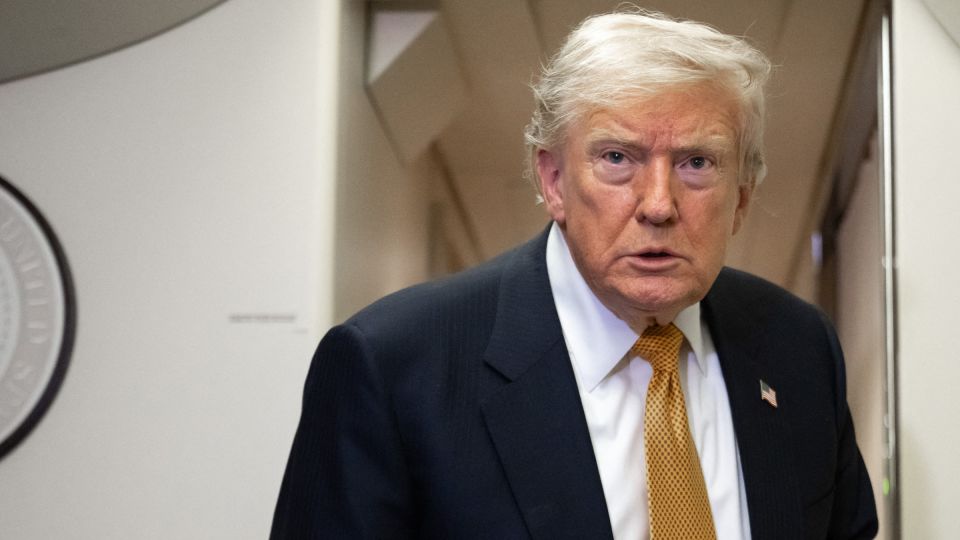
Intelligence, that slippery beast, reportedly flew between allies, pointing fingers at a scheme, hatched by forces in Iran, to assassinate Donald Trump. The sheer audacity of the alleged plan — if you buy into the premise—suggests a game played with stakes so high, they feel almost theatrical. But then, this region—it’s never lacked for drama, has it?
According to whispers in the labyrinthine corridors of global security, Israeli intelligence agencies forwarded details to their U.S. counterparts. The precise mechanisms and individuals implicated remain in the fog, shrouded by operational necessity and perhaps, selective leakage. You see, the intelligence world thrives on these ambiguities. It thrives on keeping you guessing. Who said what, when, and to whom? It’s rarely straightforward, — and that’s often the point.
And because state secrets aren’t exactly known for their clarity, specifics regarding this alleged Iranian design—how far along it was, who the purported architects were, or what form it might take—stay guarded. But it’s understood, or at least heavily implied, that such an overt move would constitute a profound escalation. It’s the kind of thing that makes even hardened foreign policy wonks gulp. A former U.S. President? That’s not a common target; it’s a global incident.
The U.S. Department of Justice [QUOTE_PLACEHOLDER] in October that a member of Iran’s Revolutionary Guard Corps had attempted to arrange the murder of former National Security Adviser John Bolton. That’s a serious charge, naturally. And it makes you wonder about the bigger picture. When officials talk about patterns of behavior, they aren’t just spinning yarns. They’re observing an evolving, — and often dangerous, dynamic. You can almost hear the sighs of exasperation coming from Foggy Bottom as they continually wrestle with Tehran’s maneuvers across the globe. For a broader understanding of this complex relationship, it’s worth revisiting the recent escalations in Gulf waters.
But the focus now, reportedly, extends beyond one-time advisers to the very apex of U.S. political power. It’s a leap. And a frightening one, if it’s true. One can only imagine the huddles in Langley, the White House Situation Room, as these reports circulated. The questions alone must’ve filled volumes.
For context, consider that since 1900, at least three U.S. presidents have faced assassination attempts during or after their terms, excluding those successfully carried out during their tenure. While this particular instance was, if reports hold, foiled intelligence, the sheer ambition allegedly underpinning it signals something significant about the current geopolitical temperature. The stakes, it seems, have ratcheted up another notch.
The Middle East, perpetually a knot of entangled alliances and simmering feuds, often finds itself reflected in Pakistan’s complex strategic calculations. Pakistan, a Muslim-majority nation, maintains a delicate balancing act, bordering Iran and caught between the gravitational pulls of regional powers and its own domestic intricacies. Any significant flare-up involving Iran — and the U.S. would send tremors through Islamabad, potentially forcing awkward alignments or, worse, unintended destabilization in an already sensitive area. They’ve got their own regional squabbles to manage, don’t they? And more external friction is the last thing anybody needs there, especially considering its history of managing internal insurgencies and external pressures.
What This Means
This whole kerfuffle—allegations, counter-allegations, and the ever-present specter of intelligence ops—isn’t just another item for the foreign policy digest. It’s a blunt reminder of the zero-sum game often played in international relations. If Israel genuinely detected such a plot — and relayed it, it wasn’t just a courtesy; it was a calculated maneuver. It highlights Jerusalem’s continued belief that containing Iranian influence is a collective imperative, a mission they’re not shy about reminding Washington of, especially when Washington’s attention drifts. It solidifies Israel’s role as the primary alarm bell for U.S. interests concerning Iran. And it also, somewhat ironically, reinforces a sense of shared adversary, at a time when relations between the U.S. and Israel often appear to be weathering a storm.
Economically, persistent rumors of such high-level threats tend to spook markets, albeit briefly. But the cumulative effect of constant tension—the very air you breathe in this space—can quietly erode investor confidence and fuel speculative spikes in commodities, particularly oil, something most major economies can ill afford. It’s a continuous, low-level hum of uncertainty. No good news there, I’m afraid. these allegations, true or not, grant policymakers, both in Washington — and allied capitals, another rhetorical weapon. They can point to purported Iranian belligerence to justify harsher sanctions, bolster regional military presences, or—just maybe—quietly enable covert actions against Iranian assets. This isn’t just about preventing an attack; it’s about reshaping the narrative and, by extension, the playing field itself.
It means, simply, that the intelligence shadows grow longer. Always have, always will.