

Silent Spoilers: Cyclosporiasis’ Tricky Grip on Global Public Health Systems
POLICY WIRE — London, UK — The unassuming cyclospora parasite, often dismissed as a minor nuisance—a summertime gastrointestinal complaint, maybe—has stealthily elevated itself from a periodic blip...

POLICY WIRE — London, UK — The unassuming cyclospora parasite, often dismissed as a minor nuisance—a summertime gastrointestinal complaint, maybe—has stealthily elevated itself from a periodic blip on public health radars to a recurring, vexing dilemma. We’re not talking about some exotic, isolated bug here; this little invader is consistently exposing fault lines in our shiny, interconnected global food supply chains, leaving health officials scrambling and, frankly, often looking bewildered.
It’s an invisible skirmish playing out across dinner tables and restaurant kitchens, one where early detection is paramount, yet maddeningly elusive. Cyclosporiasis, caused by the microscopic organism Cyclospora cayetanensis, isn’t always headline-grabbing like, say, a novel virus. But it’s got its own quiet insidious power. The sheer trickiness of nailing down a definitive diagnosis has become a persistent, costly headache for health agencies and agricultural sectors worldwide. And because it doesn’t always present with the most dramatic symptoms, patients often go untreated—or, worse, get misdiagnosed—for weeks.
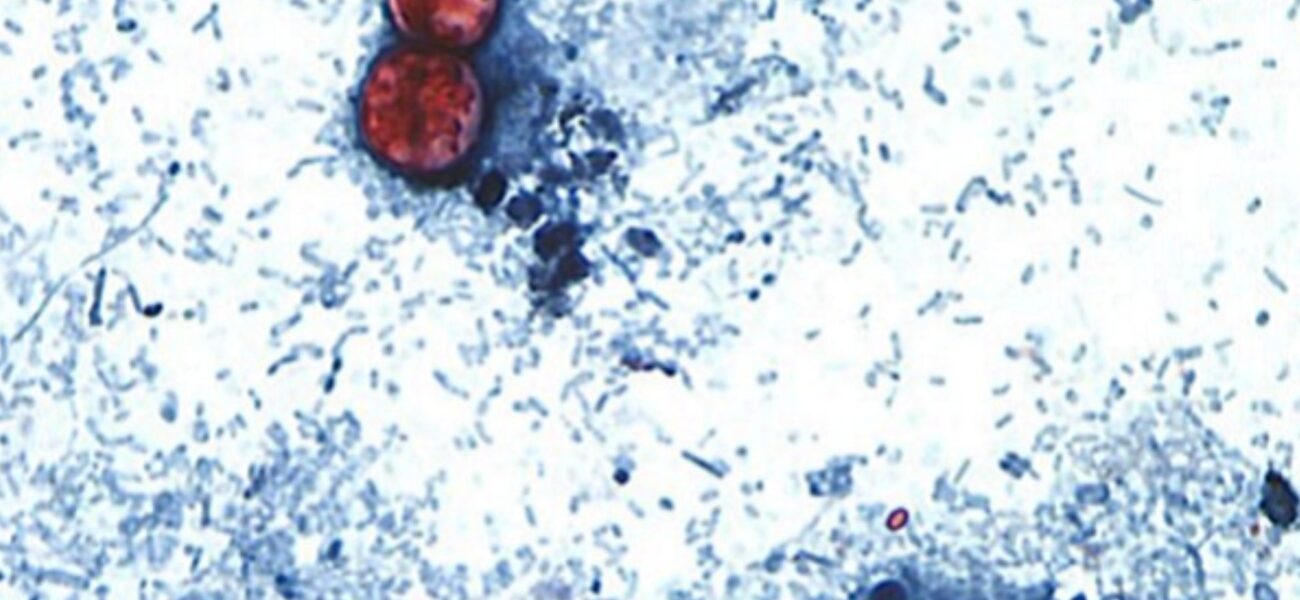
Consider the recent, quiet panic following an uptick in reported cases across North America and Europe, many traced back to imported fresh produce. This isn’t just about upset stomachs; it’s about confidence in our food. But the diagnostics themselves? They’re a whole different animal. Unlike many bacterial pathogens that readily proliferate in lab cultures, cyclospora is a finicky beast, refusing to grow in standard setups. That means labs rely on microscopic examination of stool samples, a process that’s labor-intensive and demands highly trained eyes. It’s not just a matter of slapping a sample under a machine; it’s a deeply human process, and humans, well, they get tired or miss things. And sometimes, you just don’t have enough organisms in a sample to spot, even if a person’s seriously ill.
But there’s more to this saga than just lab benches. For countries like Pakistan, with sprawling agricultural landscapes and a vibrant export market for produce, cyclospora presents a dual challenge. On one hand, maintaining stringent hygiene and sanitation along the entire food production chain—from farm to fork—is paramount to safeguarding their population’s health. Water quality, especially in rural areas where irrigation practices might be less regulated, becomes an especially critical area of focus. It isn’t just about national health policy, it’s about global economic reputation. A contamination scare can, quite literally, cripple a nation’s ability to compete in international markets for fresh produce, leading to import bans or heightened scrutiny that bites deep into farmers’ livelihoods.
And because symptoms can fluctuate—going away only to return—patients and clinicians often find themselves on a diagnostic merry-go-round. We’ve got doctors scratching their heads over what could be [QUOTE_PLACEHOLDER]. They might initially suspect something routine, treating for that, only for the true culprit to remain undetected, allowing the misery to drag on for weeks or even months. The financial implications alone are considerable: repeated doctor visits, multiple tests, lost workdays. It’s a silent drain on both individual well-being — and national productivity.
One stark reality here: the Centers for Disease Control and Prevention (CDC) reported over 10,000 cases of cyclosporiasis in the U.S. between 2004 — and 2017 linked to imported produce. That’s just a snapshot, an official tally; the actual number of people who got sick, but never got a proper diagnosis, is almost certainly much higher. It’s an inconvenient truth that these parasites are perfectly content living in various water sources, making their way onto crops, especially berries and leafy greens, often through irrigation with contaminated water or contact with infected handlers. This particular characteristic complicates prevention significantly because even washing produce meticulously doesn’t always get rid of them. The parasites just hang on, smugly.
Because cyclospora doesn’t threaten life in the way, say, salmonella might, it’s often shunted to the periphery of public health concerns, a sort of second-tier menace. But its persistent, low-level disruption speaks volumes about the fragilities in modern life. Our craving for fresh, often imported, out-of-season produce creates a perfect ecosystem for these bugs to thrive, jumping borders with an ease that political scientists can only envy. They’re tiny globe-trotters, really. The situation really lays bare the stark disconnect between consumers’ expectations and the realities of global food safety.
📄 POLICY WIRE WHITEPAPER PUBLISHED: PAKISTAN'S NATIONAL SECURITY POLICY PRIORITIES
👉 READ BY CLICKING HEREIt’s not just a matter of better lab equipment or smarter policies in one region, though both would help. This whole mess is really a symptom of larger, systemic vulnerabilities. You’ve got to ask yourself: how robust are these international monitoring systems if something so easily spread, and so hard to detect, can cause widespread outbreaks repeatedly? The political will to invest in more sensitive testing methods or robust international health infrastructure isn’t always there until a truly catastrophic event occurs. We’re seeing a pattern, — and it isn’t pretty. The delays are just compounding the problems.
What This Means
The persistent challenge of cyclosporiasis testing is more than just a public health nuisance; it’s a political and economic mirror. For governments, it’s an annual test of their administrative agility — and commitment to food safety standards. Failed inspections or public health warnings stemming from these outbreaks can significantly strain diplomatic ties, especially between major importing and exporting nations. Economic consequences reverberate quickly; trade tariffs, import bans, and consumer boycotts can follow, hitting agricultural economies particularly hard.
Domestically, the health burden impacts productivity, increasing healthcare costs and weakening trust in public institutions—particularly concerning for those whose livelihoods depend on agriculture. It isn’t cheap managing repeat investigations, bolstering food safety regulations, — and compensating for lost trade. The irony here is that preventive measures, like investing in better sanitation and agricultural practices in source countries (often developing nations), are far more cost-effective than managing a full-blown outbreak. But sometimes, long-term prevention often takes a back seat to short-term political exigencies. It’s a classic public policy dilemma: pay now for prevention, or pay much, much more later for cure and crisis management. Given our track record, we generally choose the latter.