

Pakistan launched missiles on India: Operation Bunyan um Marsoos
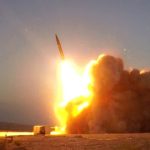
When India launched unprovoked missile strikes on multiple Pakistani airbases in the early hours of May 10, Pakistan responded with a forceful and well-thought-out military operation known as...

When India launched unprovoked missile strikes on multiple Pakistani airbases in the early hours of May 10, Pakistan responded with a forceful and well-thought-out military operation known as Operation Bunyan um Marsoos. This was more than just a retaliatory action; it was a strong and unambiguous statement to the world, particularly India, that Pakistan intends to keep its word. It will respond to any hostile action that violates our sovereignty with conviction, clarity, and vigor. It is a country that values peace, but when it is misinterpreted as weakness, it demonstrate that we are not without patience.
The present conflict started on April 22 when 26 Hindu tourists were slain in the Pahalgam district of Indian-occupied Kashmir. India lost no time in accusing Pakistan, rather than seeking collaboration or carrying out an unbiased probe. Without providing any solid proof, it accused organizations based in Pakistan of carrying out the attack. India has again used its standard strategy, utilizing every tragedy as a pretext to demonize Pakistan internationally and defend its aggressiveness. India began Operation Sindoor, attacking what it claimed were insurgent camps across the Line of Control in Azad Jammu & Kashmir, without any regard for diplomatic standards and with unfounded claims.
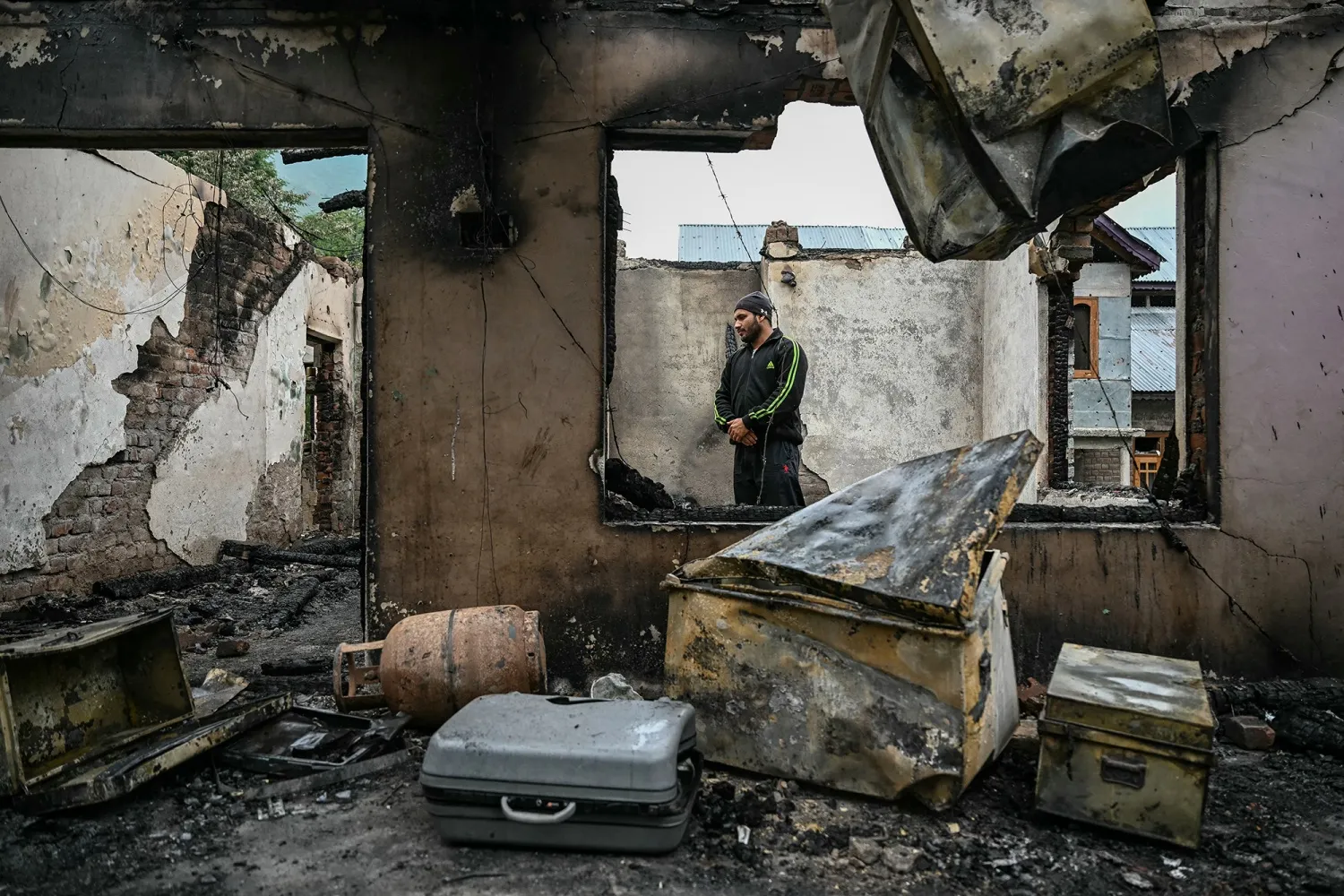
The nighttime, covert attacks by India were ruthless and careless. 31 innocent Pakistani civilians, including women and children, were killed by indiscriminate explosions that were not accurate military operations. Families grieving for their departed loved ones serve as a reminder that innocent lives are the first to be lost when military operations are carried out without due process. Human rights organizations and international observers expressed alarm about India’s conduct, pointing out the lack of transparency, the disrespect for civilian life, and the lack of any solid explanation. However, Pakistan did not react quickly. It reacted with poise, tact, and accuracy.
Pakistan has demonstrated its determination today with Operation Bunyan-un-Marsoos, which is named after the Holy Quran and means “a strong, unshakable structure.” Strategic Indian military targets thought to have been crucial to the previous strikes were the objective of the operation. These included airbases at Udhampur and Pathankot, as well as the BrahMos missile storage site in Beas. These locations were chosen to undermine the aggressive apparatus that India had employed to jeopardize Pakistan’s sovereignty, not to incite unrest. The effective completion of all given objectives was confirmed by the Pakistan Armed Forces. Our operations were led by information, accuracy, and the clear goal of neutralizing threats, not harming people, in contrast to India’s emotive and misguided response.
However, both sides have suffered as a result of the battle. At least 33 civilians have been killed in Pakistan as a result of India’s initial attacks. According to accounts, a district official in India died, and multiple people were hurt. Regardless of ethnicity, these human losses are heartbreaking. They act as a sobering reminder of what happens when leaders put conflict ahead of wisdom. Both nations have been asked by international groups to respect international humanitarian law and put civilian safety first. However, those who initiated this escalation bear the blame.
Prime Minister Shehbaz Sharif presided over an emergency meeting of the National Command Authority (NCA), which is composed of Pakistan’s top military and civilian officials, in the wake of the military reaction. The NCA is in charge of managing Pakistan’s national defense plan and nuclear arsenal. The Prime Minister made it apparent throughout the meeting that while Pakistan is still dedicated to peace, it will not permit any infringement on its sovereignty. He cautioned that there would be dire repercussions if India escalated the situation any further. Pakistan will not hesitate to employ all possible means of defense, including strategic deterrent, if our existence is in danger.In addition, the prime minister urged national unity, reminding everyone that a country’s strength is its people’s togetherness. Despite these challenging times, Pakistan remains unified, with every hand ready to defend the country and every heart beating for it.
The message is clear to India. This is neither 2016 nor 1971. Pakistan is a powerful, purpose-driven nation today. India would encounter an unprecedented full-scale response if it decides to engage in more hostilities. This is based on our right to self-defense and is not a threat. Pakistan is equipped to handle any crisis that may arise, and its military is on high alert. Although we don’t want conflict, we won’t bow down. Our people’s security, honor, and sovereignty are at stake here.
📄 POLICY WIRE WHITEPAPER PUBLISHED: PAKISTAN'S NATIONAL SECURITY POLICY PRIORITIES
👉 READ BY CLICKING HEREInternational powers started to pay attention as the crisis worsened. U.S. Secretary of State Marco Rubio called Pakistan’s Foreign Minister Ishaq Dar and Army Chief General Asim Munir separately. He advised moderation and provided assistance in starting a de-escalation process between the two nations during these discussions. The United States stressed that both sides must avoid making mistakes and understood the gravity of the situation. It was stated that the only way to prevent a wider conflict was to engage in direct communication and constructive diplomacy. This interaction demonstrates how the world is starting to understand how serious the situation is and how crucial it is to avoid starting another conflict in South Asia.
Pakistan is still adamant about wanting peace in the future. But submitting is not the path to peace. Justice is necessary for peace. Furthermore, justice necessitates a fair and lasting resolution to the Kashmir dispute, which is the primary source of all Indian-Pakistani conflicts. Tensions will persist as long as the Kashmiri people’s right to self-determination is ignored. This reality cannot be ignored any longer.
Pakistan has spoken thus far, and not only with words but also with deeds. Although it is a country that values peace, it is not helpless. It honor it’s commitments and use all of it’s resources to protect it’s territory when necessary. Operation Bunyan-un-Marsoos is a declaration of national resolve as much as a military operation. Pakistan is resolute. Pakistan is united. And no matter what, it will always stand up to protect it’s country.
Author