


Italy’s Coastal Gambit: European Directives Meet Ancient Shores, Redefining Summer’s Price Tag
POLICY WIRE — Rome, Italy — There’s a quiet rumble on Italy’s sun-kissed coastlines, not the rhythmic crash of waves, but the bureaucratic tremor of an EU directive finally hitting home. For...

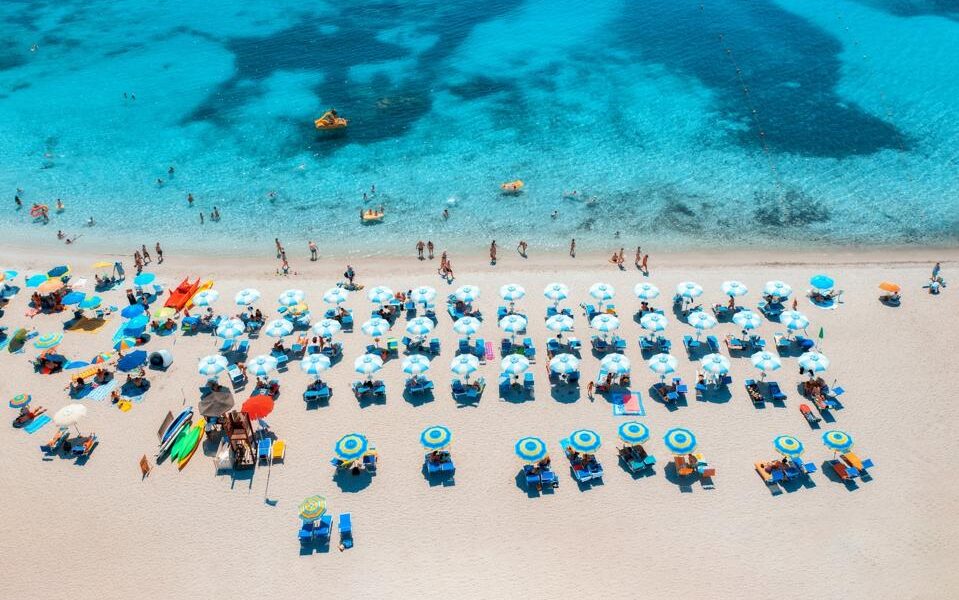
POLICY WIRE — Rome, Italy — There’s a quiet rumble on Italy’s sun-kissed coastlines, not the rhythmic crash of waves, but the bureaucratic tremor of an EU directive finally hitting home. For generations, the Italian summer has unfurled on public beaches, a messy, democratic sprawl of umbrellas and picnicking families. But that laid-back dolce vita? It’s getting a formal price tag and a reservation system—much to the chagrin of traditionalists and the quiet satisfaction of budget-conscious officials. Don’t pack your spontaneous beach bag for 2026 just yet; Italy’s seaside is undergoing a rather unsentimental metamorphosis.
It’s not just about tossing a towel on the sand anymore. The European Union, with its characteristic insistence on fair competition, has been prodding Italy for years to overhaul its system of beach concessions. These aren’t just humble stretches of sand; they’re lucrative parcels, often passed down through families for decades, operating under renewals that bypass true market competition. Now, Rome is finally getting around to it, and the changes for 2026 are slated to rewrite the entire script for summer tourism. Think booking platforms, tiered pricing for prime spots, and possibly new restrictions on what you can—or can’t—do on public shores.
“This isn’t about fencing off the sea for profit; it’s about modernizing a system that’s been, frankly, archaic,” offered a high-ranking official from Italy’s Ministry of Tourism, who asked not to be named discussing internal policy specifics. “We’re ensuring transparent, equitable access while generating sustainable income for our communities. And yes, it’ll require some adjustments, but everyone benefits from a well-managed coastline—including the tourists.” But the phrase ‘well-managed coastline’ often means ‘costlier for you, pal,’ in bureaucrat-speak. Small wonder then, that some locals aren’t buying the sunny prognosis.
Because let’s be real, this impacts everything from the local espresso bar to the intrepid backpacker. For years, the casual visitor could stroll up to almost any beach, set up their basecamp, — and just *be*. The upcoming regulations—with talk of mandatory booking for specific beach access points and escalating fees for services like umbrella rentals—threaten to erode that spontaneity. It’s a shift from ‘come as you are’ to ‘did you check the app and pay the surcharge?’ And not every tourist, particularly those from outside Europe accustomed to more unfettered public access, will appreciate the pivot.
Consider the discerning tourist from, say, Lahore or Dubai, drawn to Italy for its rich culture but also its famed, accessible beauty. They expect warmth — and hospitality, yes, but often without the layers of booking bureaucracy now emerging. Cultural currents and diplomatic echoes always play a part in international tourism. This isn’t a small niche, either. Globally, Muslim travelers are projected to spend over $220 billion on tourism by 2028, with many seeking destinations that blend natural beauty with ease of access. Italy’s new approach could inadvertently complicate its appeal to a growing, financially potent segment.
“It’s a disgrace, honestly. It’s privatizing what should be freely enjoyed by everyone,” fumed Marco Rossi, a representative for a Rimini residents’ association, his voice thick with frustration. “Our beaches are part of our heritage, not some fancy resort. They’re turning simple joy into an exclusive commodity. What’s next? A tariff for the sunset?” Rossi’s dramatic question captures a widespread anxiety. It’s not just about money; it’s about a feeling—the commodification of quintessential Italian identity. And let’s be clear, many of these regulations stem from Brussels telling Rome it isn’t playing by the rules. For Italy, this directive, aiming for transparency and competition in the management of its bathing establishments, comes after years of foot-dragging and exemptions.
This push for marketization stems from a belief in efficiency, naturally. The European Commission has, for ages, eyed Italy’s long-standing beach concession system as anti-competitive, a cozy arrangement violating fundamental single-market principles. The 2026 deadline—part of a post-pandemic recovery plan linked to billions in EU funds—forced Rome’s hand. Suddenly, 30,000 bathing establishments, responsible for a reported 35% of Italy’s €200 billion tourism sector (Source: Italian National Tourist Board, 2023 preliminary data), face a shake-up.
What This Means
This isn’t just about whether you’ll need an app to claim your slice of Mediterranean bliss. It’s a profound shift in how Italy—and potentially other European coastal nations—views public space and economic opportunity. Politically, Prime Minister Giorgia Meloni’s government is walking a tightrope, trying to placate Brussels without alienating the powerful beach lobby or the millions of Italian citizens and tourists who cherish the traditional beach experience. Italy’s economic surprising strength, fueled by its robust tourism, could see a hit if the new rules are perceived as overly restrictive or simply too much of a hassle. Economically, while competitive bidding could, in theory, boost government revenue and invest in infrastructure, the short-term impact on small, family-run concessions—and their thousands of employees—could be brutal. Many of these businesses, deeply embedded in local economies, simply won’t have the capital to compete with larger players, which might drive a corporate consolidation of the coastline. the ‘booking culture’ could create an accessibility barrier, disproportionately affecting spontaneous travelers and lower-income families who rely on the ‘free’ aspect of public beaches. We’re watching a struggle for the soul of the Italian summer, where the pragmatic demands of a distant bureaucracy clash with generations of sun-baked tradition.