


Lord’s Gatekeepers: 150 Years of Old Boys’ Clubs, Now Women Finally Bat
POLICY WIRE — London, England — For generations, Lord’s Cricket Ground, that hallowed patch of grass in St John’s Wood, has been synonymous with the very essence of cricket. It’s...

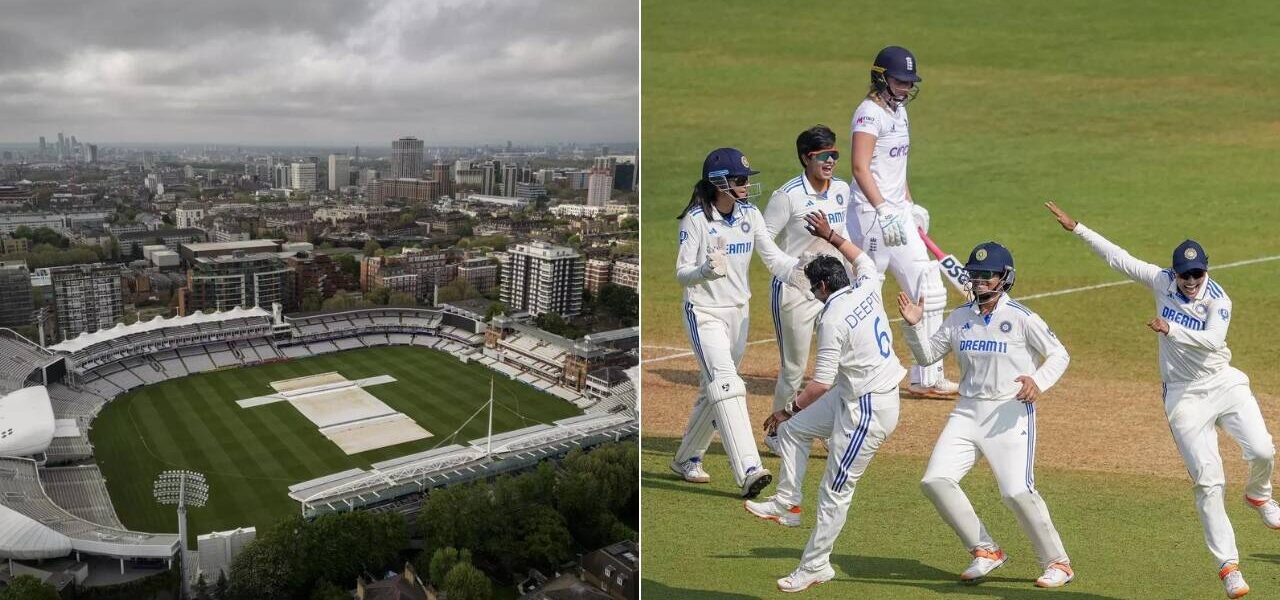
POLICY WIRE — London, England — For generations, Lord’s Cricket Ground, that hallowed patch of grass in St John’s Wood, has been synonymous with the very essence of cricket. It’s ‘the Home of Cricket,’ they say. But for well over a century, that home belonged almost exclusively to men. Women, you see, were initially barred from the venerable Marylebone Cricket Club (MCC) and its sacred Pavilion altogether. Only in 1999 did the gates grudgingly swing open for female spectators, letting them finally glimpse the hallowed turf from within its most exclusive chambers.
Now, a mere quarter-century later (don’t we move quickly?), something genuinely unprecedented is about to unfold. England captain Nat Sciver-Brunt and India’s formidable Harmanpreet Kaur aren’t just walking into the Pavilion; they’re walking out of it, down those famous steps, to lead their respective nations in the first-ever women’s Test match to grace Lord’s. It’s happening on Friday, a four-day battle against a fierce Indian side. And because some things are just plain slow-motion irony, this historic debut arrives a full 142 years after the first men’s Test match was staged here.
Let that sink in. A 142-year head start. England’s women, who, let’s not forget, have played *55 Test matches* at 19 different venues nationwide since 1937, according to historical cricket data, never once stepped onto the Lord’s pitch for a multi-day encounter until this week. Not once. But they’re here now—in their whites, with the traditional red ball, ready to stake their claim.
It’s an obvious question, isn’t it? What on earth took so long? Many point fingers directly at institutions like the MCC, whose glacially slow pace has consistently trailed societal progress. “Frankly, it’s about bloody time,” remarked Sarah Jenkins, a senior analyst for the Independent Commission for Equity in Cricket (ICEC). She doesn’t pull punches, noting, “Our report, published just last year, called it truly appalling that this venue, this supposed ‘Home of Cricket,’ remained inaccessible for women’s Test play. It’s progress, sure, but a very belated acknowledgement of what’s been missing.” Lord Richard Bromley, an MCC committee member, offered a more measured, if slightly defensive, take: “We recognize the historical shortcomings. This isn’t just about cricket; it’s about correcting institutional oversights. We’re getting there, one historic match at a time.” One could almost detect a hint of exasperation at being continually reminded of the glaring anachronism.
This particular contest carries additional weight because of the two teams involved. Across the subcontinent, from Mumbai’s bustling stadiums to Karachi’s passionate local clubs, this moment reverberates. India’s recent dominance against England isn’t just a scoreboard entry; it’s a statement. They thrashed England by 347 runs in their last Test encounter in Navi Mumbai in December 2023. India boasts a commanding record, having won three of their last four Tests against England, going back to 2006. They’re also unbeaten in nine women’s Tests played in England, securing two wins — and seven draws. For a closer look at the intense dynamics that play out on the field and off, read about cricket captaincy and public scrutiny in South Asia, where sports heroes bear an immense weight.
📄 POLICY WIRE WHITEPAPER PUBLISHED: PAKISTAN'S NATIONAL SECURITY POLICY PRIORITIES
👉 READ BY CLICKING HEREThis Indian ascendancy, played out on such a grand, traditionally male-dominated stage, isn’t lost on fans and aspiring cricketers in neighboring countries like Pakistan. There, too, women’s cricket battles for resources and recognition, drawing inspiration from high-profile successes in other South Asian nations. The visibility of India and England’s women clashing at Lord’s can only help chip away at the long-standing biases that still plague the sport in parts of the Muslim world.
For those keeping score, there are some differences from the men’s game. Women’s Tests run for four days instead of five. The follow-on target is 150 runs, not 200. These tweaks reflect, in part, the unique challenges and perhaps still-evolving structure of women’s multi-day cricket, although Australia’s recent 89-run victory over England in the 2023 Ashes Test at Trent Bridge showed they’re quite capable of delivering thrilling, decisive finishes even within these parameters. To mark the occasion, Lord’s is throwing a rather grand ceremony, complete with 50 former England women cricketers ringing the famous five-minute bell. It’s a nice touch, a nod to the ghosts of exclusion — and the pioneers who kept the flame burning.
What This Means
This Lord’s debut isn’t merely a sporting event; it’s a policy statement—loud and clear. It signals, however belatedly, a commercial — and cultural coming-of-age for women’s cricket. The economic implications are stark: administrators, having finally paid lip service to equity through reports like ICEC’s, are now compelled to actually market and invest in the women’s game as a viable product, not just an afterthought. This means more sponsorship, better broadcast deals (the match is on Sony LIV and Sony Sports Network in India, indicating a hungry audience), and ultimately, better pay and pathways for female athletes. Politically, it challenges the old guard. The MCC and other historically entrenched organizations are now on notice that their institutional lethargy is not only morally indefensible but economically unwise. Progressive cricketing nations, especially those in Asia with massive fan bases, see this as an affirmation of their own expanding commitment to women in sport. But don’t mistake this for total victory. It’s a significant battle won, sure, but the war for truly equitable resources and visibility in the global sporting arena continues. One can’t help but wonder what further embarrassing ‘firsts’ lie in wait for these venerable institutions to finally address.
📖 GET YOUR FREE COPY NOW OF POLICY WIRE DIGITAL MAGAZINE JULY 2026 EDITION
👉 READ & DOWNLOAD FREE MAGAZINE