


Diamonds & Dollars: Los Angeles Dodges Implosion, Cementing its Imperium Amid Global Scrutiny
POLICY WIRE — Los Angeles, USA — It wasn’t exactly a symphony, more like a gritty jazz ensemble struggling through an opening act before finding its groove. But that’s the deal in professional...

POLICY WIRE — Los Angeles, USA — It wasn’t exactly a symphony, more like a gritty jazz ensemble struggling through an opening act before finding its groove. But that’s the deal in professional sports, isn’t it? Especially when you’re talking about the Los Angeles Dodgers—a sprawling enterprise that traffics in hype, performance, and astronomical payrolls. The optics, for a global brand of this magnitude, are always as important as the score. And on this particular evening, they weren’t just chasing runs against the Colorado Rockies; they were fending off questions, silencing murmurs, and reinforcing a very expensive narrative of invincibility.
Because frankly, it hadn’t been pretty. Not entirely. The Dodgers clawed their way to a 4-3 series-clinching win, a testament to sheer willpower more than flawless execution. Just two days prior, they’d squandered a 3-1 lead, making a mess of what should’ve been a routine victory. Even a landmark—Shohei Ohtani’s 300th home run, a genuinely stunning individual feat—got swallowed up in the bitter taste of a loss. That’s the brutal calculus of a long season: individual brilliance often takes a back seat to collective failure, particularly when you’re expected to win. Every single night.
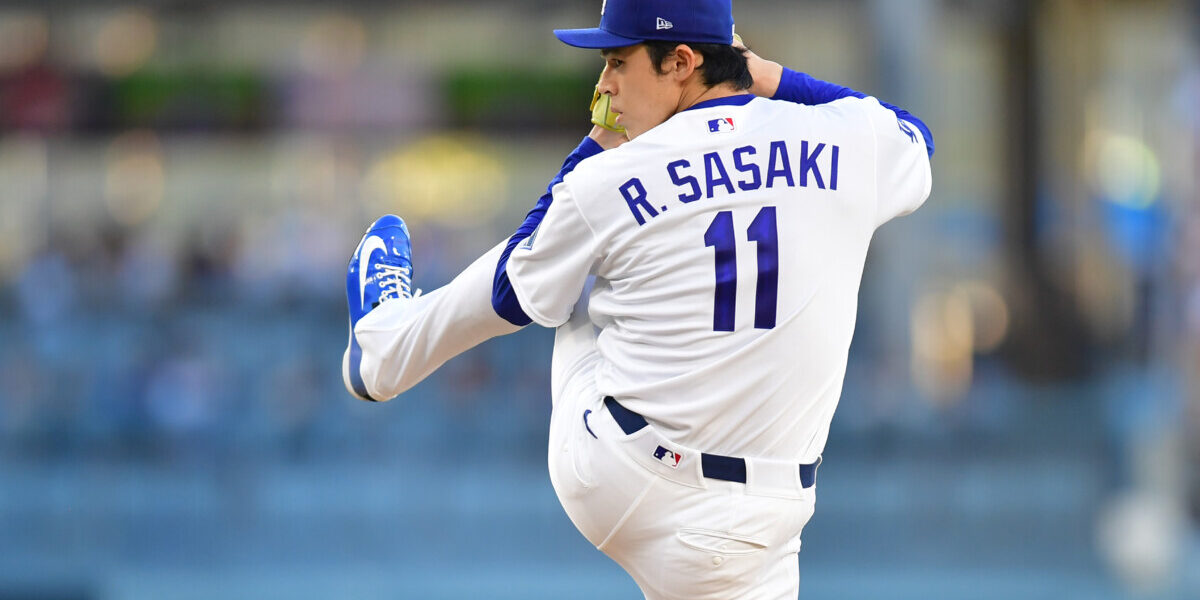
Then there’s Roki Sasaki. The young flamethrower, a man carrying the hopes of two nations—Japan and, by extension, the Dodger faithful—on his slender shoulders. His start? Shaky, indeed. The first three innings were a testament to pressure, three earned runs coughing up early momentum. But then something clicked. Three scoreless frames followed. That’s what they pay him for, to figure it out, to adapt. It’s a microcosm of the whole show: you get hit, you adjust. “He didn’t have his sharpest stuff early,” observed Dodgers Manager Dave Roberts later, a man accustomed to seeing prodigies falter, then rise. “But he gritted it out. That’s what we want from our guys: character over flash, especially when things aren’t handed to you.” And the character showed up, ultimately.
His stats for the night tell a story of grit over dominance: six innings pitched, three earned runs, four hits, five strikeouts, and two walks. The hard hits were a concern, sure—six of them, to be precise. But he also managed 15 whiffs and put a stable 50% of his pitches in the zone, a notable improvement over recent outings. Major League Baseball’s annual revenue now routinely exceeds $11 billion, and a significant chunk of that comes from investments in, and marketing of, global superstars like Sasaki.
But it wasn’t just Sasaki. The offense, a powerhouse on paper, had its own moment of nail-biting theater. All four runs came early, in the first inning. For a while, that was it. No more. Until Mookie Betts, in an almost ridiculously predictable fashion, stepped up in the clutch. With the score knotted at 3-3, Betts singled, driving in the go-ahead run. It was his only hit, his only RBI, but it changed everything. Freddie Freeman and Tommy Edman—who, incidentally, were the only Dodgers with multi-hit games—set the table. It wasn’t fireworks, it was a perfectly executed culinary maneuver, — and Tanner Scott closed it out, earning the save. Betts, a perpetual motion machine of excellence, delivered. What else is new?
📄 POLICY WIRE WHITEPAPER PUBLISHED: PAKISTAN'S NATIONAL SECURITY POLICY PRIORITIES
👉 READ BY CLICKING HEREWhat This Means
Beyond the diamond dust and the roar of the crowd, this series isn’t just about baseball; it’s a reflection of the brutal, high-stakes capitalism that underpins modern sports. Every pitch, every swing, every error—it’s scrutinized not just by fans but by media conglomerates, advertising partners, and global markets. An organizational misstep, a prolonged slump by a star, can have real economic consequences, affecting viewership, merchandise sales, and even the lucrative international broadcast deals that beam these games across continents.
The resilience shown by Sasaki, a high-value import, mirrors the often-unseen pressures faced by athletes worldwide who carry national expectations on their shoulders. From the hallowed pitches of Lord’s in London to the raucous stadiums of Karachi, elite sportsmen aren’t just playing a game; they’re performing economic, cultural, and even diplomatic functions. In a rapidly globalizing sports economy, an athlete’s narrative—their triumph over adversity, their journey from obscurity to stardom—is as much a commodity as their on-field performance. It drives engagement, builds brands, — and connects diverse populations. Consider the immense national pride—and subsequent commercial interest—generated by a singular talent in cricket-mad nations like Pakistan or India; the parallels with a Japanese pitching sensation in the American big leagues aren’t so far-fetched. This isn’t just sports. This is big business, packaged as escapism.
“You watch these games not just for the score, but for the story, don’t you?” posited Dr. Armaan Pasha, a professor of global sports economics at UCLA, his voice tinged with the weary wisdom of years observing this ecosystem. “The melodrama, the comebacks, the individual heroics in the face of collapse—that’s the product. And when you’re paying players hundreds of millions, you’re not just buying talent; you’re buying a certain kind of consistent drama, a reliably compelling narrative that justifies the outrageous price tag to a global audience.” This consistent drama helps sustain the broader appeal, even for fans in distant lands—folks perhaps more familiar with a different kind of pitch. But ultimately, the relentless focus on individual talent, on ‘prodigies’ like Sasaki, illuminates the increasingly brutal market imperatives that define athletic careers today. For more on the complex intersection of sports and global market pressures, read our piece on “Prodigy’s Pause: Athlete’s Injury Spotlights Market Imperatives and Labor Realities.”
📖 GET YOUR FREE COPY NOW OF POLICY WIRE DIGITAL MAGAZINE JULY 2026 EDITION
👉 READ & DOWNLOAD FREE MAGAZINE