

Desert Dreams of Zero: New Mexico’s Tax Cut Crusade and Its Echoes from Lahore to Santa Fe
POLICY WIRE — ALBUQUERQUE, N.M. — A crisp, blue sky over New Mexico today holds an unlikely battleground: a legislative scrap over whether its citizens should cough up personal income tax anymore....

POLICY WIRE — ALBUQUERQUE, N.M. — A crisp, blue sky over New Mexico today holds an unlikely battleground: a legislative scrap over whether its citizens should cough up personal income tax anymore. But let’s be clear, this isn’t some quaint regional spat. It’s a clash over fiscal philosophy that’s playing out in countless statehouses and, for that matter, national assemblies around the globe, from the US Southwest to the crowded streets of Karachi. It begs the bigger question of who gets squeezed — and who gains when the state budget needs feeding.
Republicans here in the Land of Enchantment are gunning to axe the state personal income tax entirely. It’s an old chestnut, sure, but they’re pushing hard, seeing it as the ultimate cure for what ails New Mexicans’ wallets. Never mind the state recently proposed a measly $250 rebate; that’s just pocket change in their eyes. Floor Minority Whip Alan Martinez doesn’t mince words: “If we’re going to do something for the people of New Mexico, let’s make it permanent,” he declared.
Minority Floor Leader Gail Armstrong, Martinez, and Republican Caucus Chair Rebecca Dow—they all put their names on a letter to Governor Michelle Lujan Grisham, requesting a special session to hash out this whole tax thing. Dow, she’s backing the rebate idea, make no mistake, but insists on something more substantial. She said, [QUOTE_PLACEHOLDER] It’s a classic play: praise the smaller gesture, then demand the whole enchilada. Political theater, really, with a hint of genuine sentiment for taxpayer relief.
But the Governor’s office? They ain’t playing ball. Lujan Grisham’s people shot back, saying a special session ain’t happening for this. They see it as a colossal change that needs a full legislative go-round. And they aren’t shy about predicting “significant budget implications.” This earned a chuckle from Martinez, who couldn’t help but note, [QUOTE_PLACEHOLDER] It’s true, she’s called a few—sometimes you’ve gotta make hay when the sun shines on certain legislative priorities.
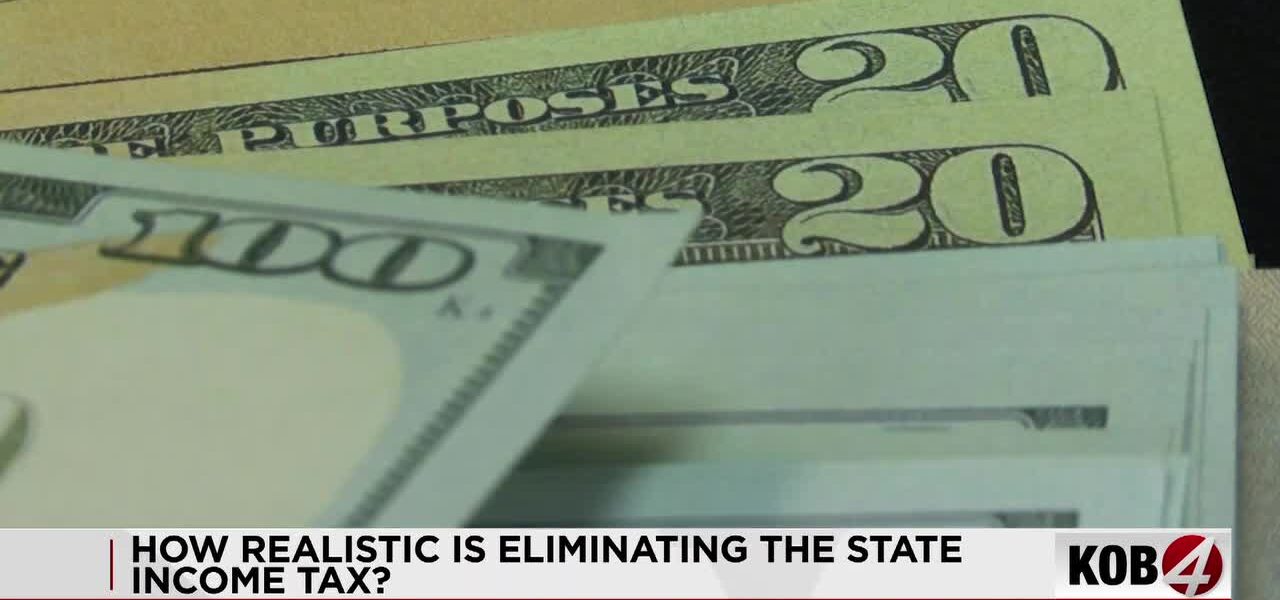
So, what’s the carrot on the end of this particular stick? Republicans contend a staggering $2 billion is what would be going back into New Mexicans’ pockets. That figure comes straight from New Mexico’s Tax Department, so it’s not just pulled from thin air. For a household pulling in about $60,000 annually—which is just south of the state’s median household income of roughly $67,000—we’re talking about $2,400 extra per year. Think of it: an entire month’s rent, maybe some overdue car repairs, or just breathing a little easier. Martinez pitched it as a universal good: “This is what’s best for New Mexico. It’s not a partisan issue, we’re not giving a tax break to just Republicans, this is for everybody. Anybody who earns a paycheck would see this benefit immediately,” he told reporters. Nice thought, but in politics, everything’s a partisan issue eventually.
And then there’s the opposition. The Democrats, naturally, aren’t so keen. This state income tax money, you see, feeds New Mexico’s general fund. That’s the piggy bank for K-12 public schools, Medicare, public safety, all sorts of things people tend to need. Cut off a main artery, — and they worry the whole body will wither. Martinez, bless his heart, reckons it’d be fine. “I think we can make up $2 billion very easily if we put our heads together, sit at the table, Republicans and Democrats, and say these are the priorities. I don’t even think this should be a partisan issue,” he mused. Because that always happens, doesn’t it? Everybody sits down, holds hands, — and agrees to fix a multi-billion dollar hole. Right.
📄 POLICY WIRE WHITEPAPER PUBLISHED: PAKISTAN'S NATIONAL SECURITY POLICY PRIORITIES
👉 READ BY CLICKING HEREThe House Democrats, to their credit, said they’re “glad our Republican colleagues are paying attention to the fact that skyrocketing prices and federal cuts to vital programs have put the squeeze on New Mexicans.” But they emphasized, “we also need to make sure state funds are spent in the most effective, impactful ways.” Meanwhile, the state’s Democratic Party went nuclear, suggesting the Republicans “do something other than publicity stunts for once,” and dubbed the proposal a [QUOTE_PLACEHOLDER] Quite the accusation.
This isn’t the first rodeo, by the way. They’ve tried this before; House Bill 275 got itself introduced in a past legislative session only to die a quiet death. For anything like this to pass, it needs bipartisan love, something harder to find in the New Mexico Roundhouse than water in the Gila River. Martinez remains ever hopeful, talking about the conversation beginning with the “fourth floor”—legislative jargon for the Governor’s office. “I don’t think it’s a done deal because some spokesman put some statement out,” he said, optimistically ignoring the full might of the executive branch’s expressed distaste.
What This Means
Here’s the rub: proposals like this, eliminating a broad-based tax like personal income tax, usually translate into two things. One, it’s a huge windfall for higher earners who pay more into it, not the average Joe. Two, the state has to find that money somewhere else, or cut services. That often means raising other taxes—like sales tax, which disproportionately impacts lower-income folks—or gutting programs. It’s a shell game many nations play, struggling with revenue generation — and distribution. Think of countries like Pakistan, grappling for decades with tax reform, trying to broaden its incredibly narrow tax base and curb reliance on indirect levies which hit the poor harder. Pakistani leaders often talk about increasing direct tax collection, mirroring the dilemma New Mexico faces. Every time Pakistan attempts complex fiscal adjustments to boost revenue, it often sparks heated public debate and fears of economic instability.
The Governor’s official response from spokesperson Michael Coleman hit that note exactly. She appreciates the GOP supporting her rebate plan but warns: “Eliminating New Mexico’s personal income tax would have recurring and significant budget implications that demand comprehensive analysis and rigorous debate better suited to a regular legislative session than a special session.” Coleman didn’t pull punches, attributing the gas prices in question to “President Trump’s war in Iran.” That’s a fascinating—and specific—shot. Meanwhile, the state’s Democratic Party spokesperson Daniel Garcia went harder still, calling the New Mexico House GOP “the most unserious and ineffective legislative caucus in the country,” for suggesting what he termed “their latest idea for a handout for the wealthy that would be a massive shift of the tax burden onto New Mexico’s working lower and middle class.” You won’t find a clearer line in the sand. This fight’s not about math; it’s about values. It always is.
📖 GET YOUR FREE COPY NOW OF POLICY WIRE DIGITAL MAGAZINE JULY 2026 EDITION
👉 READ & DOWNLOAD FREE MAGAZINE