


Gulf Cargo Plane Vanishes off Karachi, Sparking Unease Over Regional Air Lanes
POLICY WIRE — Karachi, Pakistan — It isn’t often that the vast, busy expanse of the Arabian Sea manages to swallow a modern cargo aircraft whole, especially not right on the doorstep of a...

POLICY WIRE — Karachi, Pakistan — It isn’t often that the vast, busy expanse of the Arabian Sea manages to swallow a modern cargo aircraft whole, especially not right on the doorstep of a sprawling port city. Yet, that’s exactly what happened earlier this week. The silent, almost casual disappearance of a routine cargo flight—one among thousands crisscrossing the vital aerial highways linking the Gulf states to South Asia—has kicked off a desperate scramble. And now, the grim reality of scattered debris confirms the worst fears.
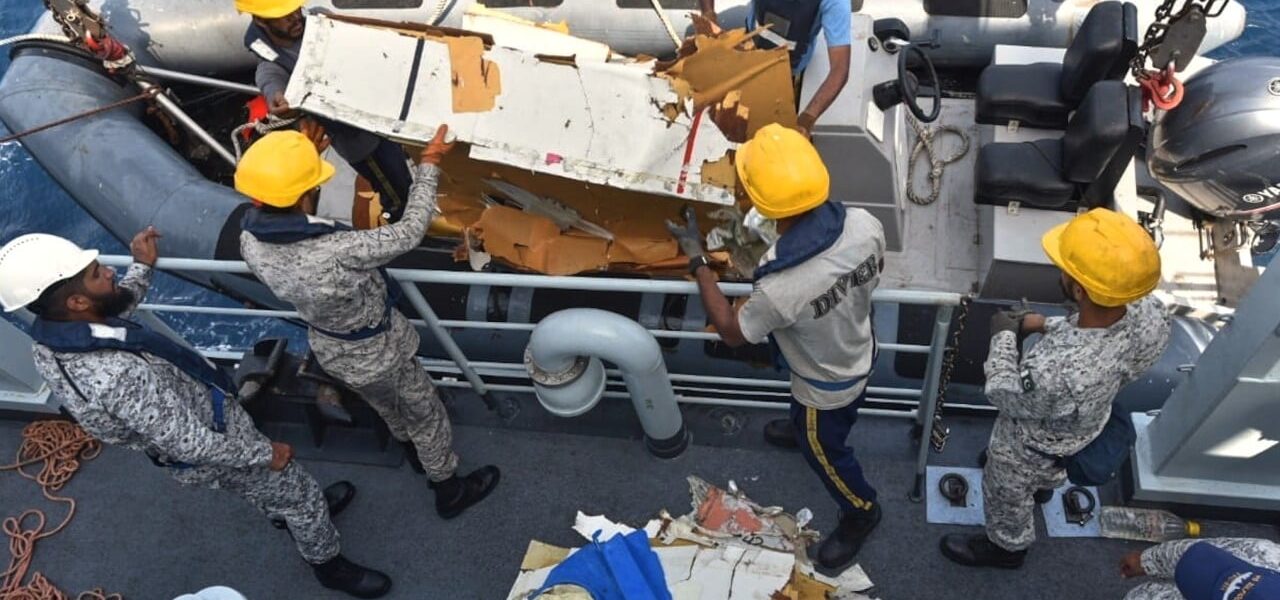
On Wednesday, as the search intensified, teams of civilian and navy searchers off Pakistan’s coast finally located and recovered pieces of the plane. This, however, is merely the opening act of a deeper tragedy, because a search continues for five missing crew members. Five people, doing their jobs, ferrying goods from one economic hub to another, now vanish into the marine ether. You’ve got to wonder what goes through their families’ minds. [QUOTE_PLACEHOLDER]
The aircraft, it seems, was a workhorse. It’s not a glitzy passenger jet, but a freighter operated by the private carrier K2 Airways. This machine had departed from Sharjah in the United Arab Emirates. Think about that — Sharjah, a bustling node in the frenetic network of commerce that stitches together the Gulf and the Indian Ocean rim. But something went profoundly wrong. It reported a navigational system problem before losing contact with air traffic control late on Tuesday. Navigational issues are rarely simple fixes up in the air. That’s often just the start of bigger headaches.
It’s a chilling reminder that for all our technological marvels, the sheer scale of the elements can still humble the most sophisticated machines. One moment, you’re tracking a blip on a screen; the next, it’s just gone. Poof. And for an organization like K2 Airways, a private entity navigating the choppy waters of regional air freight, this kind of incident is, well, it’s going to sting—big time. This isn’t just about the financial hit, though that’s a beast in itself. It’s about reputation, about trust, about the quiet calculus of risk that every airline and every pilot constantly performs.
Karachi’s airspace is a busy one. It’s a critical nexus, linking European, African, and Middle Eastern trade to the vast markets of South Asia and beyond. But sometimes, in the everyday drone of business as usual, the extraordinary—and horrific—can happen. According to data from the International Civil Aviation Organization (ICAO), a specialized agency of the United Nations, there were 97 total accidents worldwide involving commercial air transport operations in 2022, with 12 categorized as fatal accidents. It doesn’t happen often, but when it does, it’s a gut punch.
📄 POLICY WIRE WHITEPAPER PUBLISHED: PAKISTAN'S NATIONAL SECURITY POLICY PRIORITIES
👉 READ BY CLICKING HEREAnd then there’s the broader context. Pakistan, an ambitious but economically strained nation, relies heavily on its maritime — and air corridors. Karachi isn’t just a port; it’s a lifeline. This disappearance—even of a cargo plane—casts a momentary shadow on the reliability and safety perceptions of its air infrastructure. For a country already grappling with a slew of domestic and international pressures, adding air incident investigations to the pile isn’t exactly helpful. But they’re diligent, aren’t they? That’s what you want to believe, anyway. The search, by the Pakistani navy and civilian teams, continues for those still unaccounted for.
What This Means
The vanishing act of a K2 Airways freighter in Pakistani airspace carries ripples far beyond the immediate grief of five missing crew members. Economically, even isolated incidents like this one, however tragic, can subtly fray the confidence in regional air logistics. Think about insurance premiums—they don’t forgive easily. A perceived uptick in risk, however minor, translates quickly into higher operational costs for every carrier flying these routes. For a country like Pakistan, trying hard to attract foreign investment and solidify its role as a transit hub, these events, infrequent as they may be, present an unwelcome narrative challenge.
Politically, Pakistan’s government will be under quiet pressure to demonstrate absolute competence in the investigation and subsequent safety assurances. It’s not just about what happened, but about how it’s handled. Any hint of lax oversight or outdated equipment, especially concerning navigational aids—which were apparently faulty here—could prompt international scrutiny from aviation bodies. This kind of event makes headlines, — and international regulatory bodies pay attention. That’s a burden. It isn’t just about Pakistani-registered planes; it’s about the safety of any plane flying through their FIR (Flight Information Region).
But there’s also the regional perspective, something often missed. The Gulf states—UAE, specifically Sharjah in this case—are deeply intertwined with Pakistan via trade and human migration. Millions of Pakistanis work there. Cargo routes are critical veins for trade, keeping the wheels of business turning for countless enterprises. This particular flight was one of countless links in a massive, sprawling supply chain that often gets overlooked until something goes wrong. Its loss underscores the often-unseen human element, the pilots and ground crews, who are the lifeblood of this complex, interconnected world, connecting the Muslim world’s economic powerhouses. Their lives, and the safety protocols governing them, are truly priceless, if often undervalued in the rush of commerce.
📖 GET YOUR FREE COPY NOW OF POLICY WIRE DIGITAL MAGAZINE JULY 2026 EDITION
👉 READ & DOWNLOAD FREE MAGAZINE