


Ghost of Darfur Haunts ICC’s New Push for Sudan Justice
POLICY WIRE — The Hague, Netherlands — Two decades on, the ghosts of Darfur still cling to the parched earth of western Sudan, their silence echoing louder than any battle cry. The world mostly moved...

POLICY WIRE — The Hague, Netherlands — Two decades on, the ghosts of Darfur still cling to the parched earth of western Sudan, their silence echoing louder than any battle cry. The world mostly moved on, or just looked away. But not everyone. Turns out, the ponderous machinery of international justice, often dismissed as slow-footed or just plain impotent, is rumbling back to life, stirring cautious optimism and, naturally, a healthy dose of cynicism among observers.
It’s no small thing, actually. The International Criminal Court (ICC), that oft-maligned global arbiter of heinous deeds, has quietly—and now, not so quietly—signaled a breakthrough in its war crimes investigation into Sudan. Karim Khan, the ICC’s chief prosecutor, tipped off the BBC recently, dropping hints about ‘significant progress’ on evidence collection related to atrocities committed during the ongoing brutal conflict between the Sudanese Armed Forces (SAF) and the Rapid Support Forces (RSF).
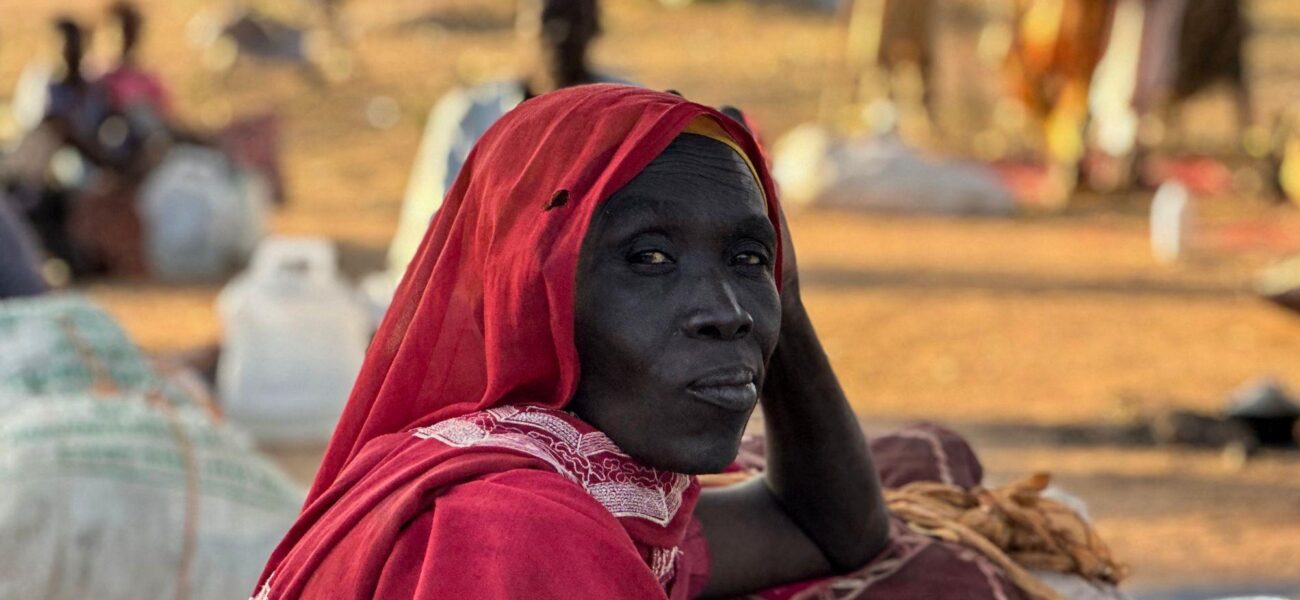
Because let’s face it, for too long, this sprawling nation has been a cauldron of conflict, its people caught between factions—caught between generals. The original Darfur war, igniting back in 2003, saw up to 300,000 dead, according to United Nations estimates. And the world stood by, offering little more than hand-wringing. Fast forward to today, the current conflagration, which kicked off last April, has created one of the globe’s worst humanitarian catastrophes, pushing nearly 8 million people from their homes. Think about that for a second. Eight million souls, just gone. Upheaved. And where’s the clamor? Where’s the relentless focus?
Khan’s team has apparently been working in the shadows, hoovering up witness testimonies — and digital forensics. It’s an information bonanza, one official close to the investigation told us on background. This isn’t just about the generals slugging it out now; it’s about holding perpetrators from 2003 through today accountable. It’s about building a case, piece by excruciating piece, against individuals who likely thought they were untouchable, shielded by geography and state sovereignty. “Justice, they say, moves at a glacial pace,” remarked Agnes Callamard, Secretary General of Amnesty International, offering a perspective on the developments. “But it’s movements like this, however delayed, that remind us of its eventual, grinding power. What’s absolutely imperative now is that these investigations translate into concrete indictments and, eventually, arrests.”
But can they, really? The ICC has no enforcement arm. It relies on signatory states—and Sudan isn’t one, not directly for the Darfur referrals—to cooperate. The sheer scale of what needs to be done, from secure interviews to satellite imagery analysis, is daunting. It’s a logistical nightmare in a country ravaged by internecine fighting, where trust is a commodity rarer than clean water.
Consider the region. Sudan’s shifting sands destabilize its neighbors, sending ripples through North Africa, the Sahel, and even across the Red Sea into the Middle East. For many in the Muslim world, there’s a nagging feeling that international law applies selectively—quick to condemn certain regimes, slower to act when Western strategic interests aren’t directly threatened or when the victims are from a particular demographic. This ICC effort, if it gains traction, might begin to chip away at that perception, or it might just confirm it if arrests never materialize.
📄 POLICY WIRE WHITEPAPER PUBLISHED: PAKISTAN'S NATIONAL SECURITY POLICY PRIORITIES
👉 READ BY CLICKING HEREDr. Tariq al-Hashem, a regional security analyst with the Islamabad Policy Institute, voiced a common regional concern: “We’ve witnessed countless conflicts and horrific abuses across the globe, from Palestine to Kashmir. While every act of justice is welcome, the challenge remains consistent: ensuring these mechanisms aren’t perceived as instruments of geopolitical power, but truly as universal pillars for accountability, without exception.” It’s a sentiment you hear a lot when you travel these parts.
What This Means
The ICC’s pronouncement isn’t just bureaucratic tidings; it’s a gauntlet thrown. Politically, it complicates any future peace talks in Sudan. Any ceasefire agreement or power-sharing deal would now carry the weight of potential ICC indictments for key figures on both sides. The generals—Burhan of the SAF and Hemedti of the RSF—are almost certainly on that list. This pushes them further into a corner, making them less likely to surrender, and perhaps, more desperate to consolidate power, lengthening the suffering.
Economically, persistent conflict spells disaster. Sudan’s already fragile economy is in freefall. Food scarcity is widespread. A credible ICC investigation, even if it feels distant, sends a message to potential investors (what few there might be) that the rule of law, however tenuous, might one day return. For now, though, it largely guarantees continued pariah status. And ultimately, for the victims, the prospect of justice, even if theoretical, means something. It means their pain isn’t completely forgotten. It means a world, however flawed, still occasionally reaches for its moral compass. Small comfort, I know. But sometimes, it’s all there’s.
📖 GET YOUR FREE COPY NOW OF POLICY WIRE DIGITAL MAGAZINE JULY 2026 EDITION
👉 READ & DOWNLOAD FREE MAGAZINE