


Hollywood’s Cold Shoulder: Lakers Prioritize Pragmatism Over Hometown Narrative with DeRozan Snub
POLICY WIRE — Los Angeles, United States — The L.A. Lakers, an organization as adept at crafting public spectacle as they’re at sinking three-pointers (or, sometimes, failing spectacularly to...

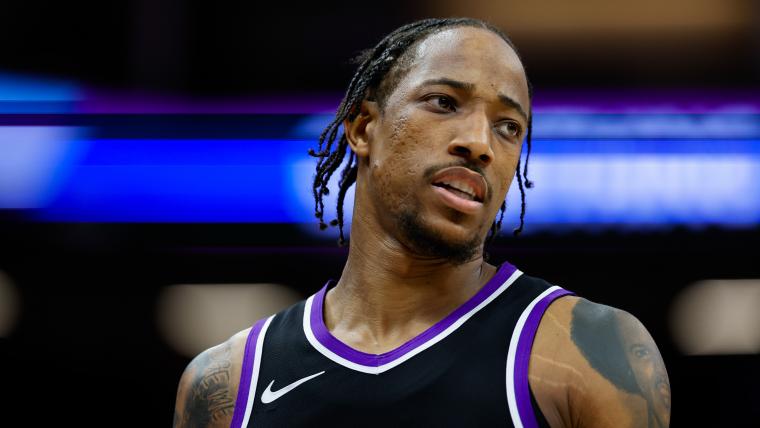
POLICY WIRE — Los Angeles, United States — The L.A. Lakers, an organization as adept at crafting public spectacle as they’re at sinking three-pointers (or, sometimes, failing spectacularly to do so), pulled off a masterclass in quiet disinterest this week. Amid a flurry of offseason moves that have re-engineered much of their roster, the purple and gold effectively—and publicly—shut the door on signing local son, DeMar DeRozan. Because sometimes, even Hollywood can’t buy into its own comeback narratives when cold, hard calculus dictates otherwise.
It’s a peculiar thing, this basketball business. You’d think a homecoming for a four-time All-Star, a certified buckets-getter still averaging a respectable 18.4 points per game as recently as the 2025-26 season, would generate some buzz. Especially when he became a free agent, cut loose by Sacramento, ripe for the picking. But no, the Lakers, always chasing championships — and rarely anything less, appear to have simply… shrugged. They’ve made their intentions perfectly clear: DeRozan, despite his Southland roots and a track record of consistent scoring, just doesn’t fit their meticulously designed, post-LeBron, post-Anthony Davis landscape.
Sources whispered across the league, echoing on platforms like X, confirm the team’s position. This isn’t just about roster spots; it’s about a strategic pivot. After years of chasing established superstardom and assembling a cast of veterans, the Lakers, it seems, are building for a younger, more dynamic era. Their moves this summer, bringing in fresh legs — and specific skill sets, weren’t accidental. And DeRozan, for all his mid-range artistry and ability to create his own shot, probably doesn’t align with that evolving vision, especially with young talents like Luka Doncic and Austin Reaves already manning the backcourt.
“We’re building for a specific future here,” a Lakers front office insider told Policy Wire, requesting anonymity to speak candidly about player acquisition strategies. “It’s about optimizing every single roster spot, not just collecting marquee names. You can’t just chase sentimentality when you’re trying to hoist banners. It doesn’t work that way.” It’s a pragmatic, almost clinical assessment that lays bare the ruthless logic governing top-tier sports franchises. But it’s also a statement on what they’ve learned from recent misfires—that star power, unblended, can often sink a ship faster than it propels it.
DeMar’s agent, always keen to manage the narrative and highlight his client’s market value, painted a different picture, perhaps for different suitors. “DeMar’s a pro’s pro; he’s still got gas in the tank,” asserted agent Rich Paul, whose roster of high-profile clients often commands attention. “He understands the business, but there’s no doubt he’ll be a significant asset to a team that truly needs a veteran leader who can still get you 20 on any given night. Some teams just aren’t ready for that kind of focus.” He’s not wrong. DeRozan could be a boon for a contender needing a scoring punch or a playoff-bound team looking for some grit.
📄 POLICY WIRE WHITEPAPER PUBLISHED: PAKISTAN'S NATIONAL SECURITY POLICY PRIORITIES
👉 READ BY CLICKING HEREBut the Lakers? They’ve just spent a summer reshaping their identity, pushing out of the ‘assemble old stars’ model. And perhaps that’s why this snub, while maybe disappointing for fans of storybook endings, feels so… inevitable. DeRozan’s game—dependent on the ball, with a penchant for an era-defining mid-range game—doesn’t quite click with the new wave of positionless, three-point heavy basketball they’re apparently trying to ride. It’s a calculated risk, moving past a known quantity for a speculative, but perhaps more aligned, future.
What This Means
This isn’t merely a basketball transaction; it’s a window into the broader politics of talent management and market optimization. The Lakers’ decision mirrors how nations, say, like Pakistan struggling with Balochistan’s economic plight, often choose hardline resource allocation over populist sentiment. The franchise, much like a national government, must juggle public expectations, fiscal realities (salary caps, essentially a state budget), and long-term strategic goals. The optics of snubbing a local legend are certainly not great for the sentimental fan base, but the economic and competitive rationale – that DeRozan wouldn’t be a ‘like-for-like’ replacement for the titanic figure of LeBron James, nor fulfill an immediate ‘need’ on the existing roster – holds sway in the boardrooms.
Politically, the move indicates a front office prioritizing a unified strategic vision over attempting to appease a vocal segment of the fan base nostalgic for familiar names or emotional storylines. Economically, it shows the cold logic of player valuation in a market driven by analytics and specific skill sets rather than historical performance alone. For global markets, whether in sports or foreign policy, it’s a stark reminder: sentimentality rarely survives contact with strategy, and the pursuit of optimal outcomes often comes at the cost of ‘what ifs’ and ‘could haves.’ Teams, like states, sometimes need to be cruel to be kind—to their own future, anyway.