

El-Obeid: Sudan’s Scorched Earth Gambit Shifts a War No One’s Watching
POLICY WIRE — Khartoum, Sudan — The arid landscape of Sudan, baked under an indifferent sun, holds secrets in its dust. One of them is a war so savage, so quietly devastating, that most of the world...

POLICY WIRE — Khartoum, Sudan — The arid landscape of Sudan, baked under an indifferent sun, holds secrets in its dust. One of them is a war so savage, so quietly devastating, that most of the world seems to have simply looked away. But don’t let the silence fool you. Deep within this conflict, far from the international headlines reserved for flashier skirmishes, a provincial town called El-Obeid is shaping up to be a brutally clear test of wills. It’s hardly the shimmering trophy of Khartoum, no. But the desperate fight for it could actually dictate who gets to rebuild the whole damn thing—or, more likely, who presides over its complete collapse.
It isn’t merely a strategic objective. This is about choking arteries. El-Obeid sits at a crossroads, a vital junction connecting the capital, Khartoum, to the west — and south. Picture it: A logistical choke point for anyone moving troops, arms, or food through Kordofan — and Darfur. Whoever holds it essentially controls the commercial pulse for swathes of the country, disrupting critical supply lines for the Sudanese Armed Forces (SAF) while providing a staging ground for the Rapid Support Forces (RSF).
And because this conflict has dragged on for over a year—a grueling year, mind you—the battle for such points has become everything. Generals aren’t just fighting for glory; they’re fighting for the bread, bullets, and bandages that keep their ragged armies marching. “This isn’t just about El-Obeid,” one senior SAF commander, who asked not to be named discussing ongoing operations, told Policy Wire. “It’s about demonstrating we still hold the country’s heart, — and we’ll bleed for it. The other side—they think they can sever our veins.”
Conversely, the RSF sees these campaigns as extensions of their larger siege on the SAF’s authority. Dr. Osman Ibrahim, a spokesman for the Rapid Support Forces, communicated via an encrypted channel, minced no words. “Khartoum’s grip is failing. Cutting these lifelines—that’s how you bring an army to its knees, and we’re just getting started.” These aren’t just rhetorical flourishes; they’re blueprints for economic strangulation, and El-Obeid is very much a lynchpin in that grim strategy.
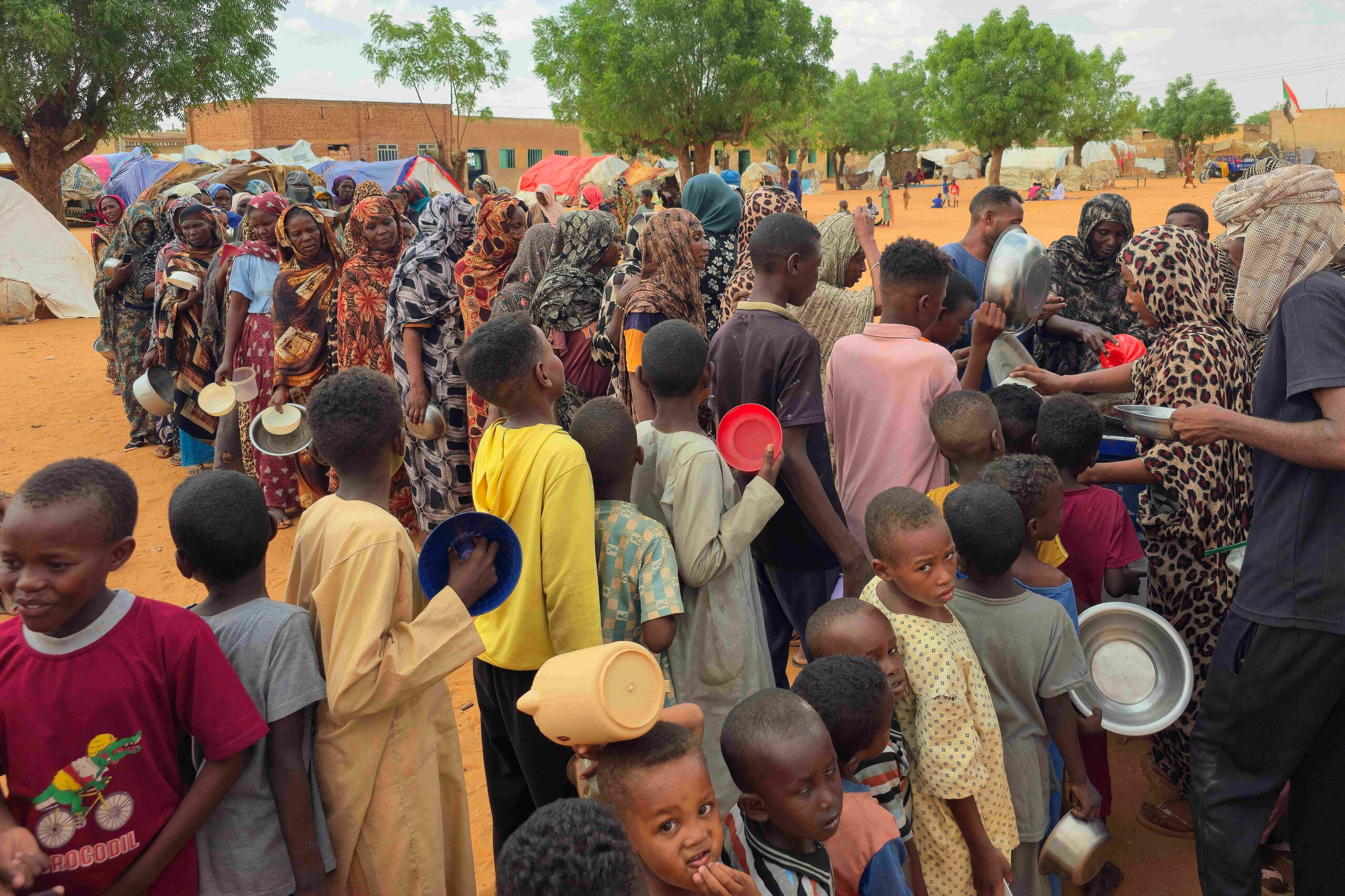
The human cost? You won’t find it in polished battle statistics. Instead, look at the staggering refugee crisis. The United Nations High Commissioner for Refugees (UNHCR) reports that as of May 2024, over 10.7 million people have been displaced internally or across borders since the fighting flared in April 2023. Think about that number. That’s a population larger than many European nations, cast adrift, their lives utterly upended. And El-Obeid, if fully captured or completely besieged, exacerbates those humanitarian nightmares.
This isn’t some contained brushfire; it’s a slow-motion inferno with wider regional tremors. Neighboring countries, including Egypt, Chad, — and South Sudan, bear the brunt of refugee flows and instability. But because Sudan is a predominantly Muslim nation with significant Red Sea access, its chaos ripples further still, touching the fringes of the Muslim world’s trade routes. Consider the logistical challenges to aid, trade, and even the Hajj pilgrims who might traditionally transit through such areas—any regional conflict inevitably adds another layer of complexity to these delicate arrangements.
But the world, largely, shrugs. It’s a conflict devoid of clear, easily digestible narratives, a slow grind that doesn’t fit the attention spans of international media. It lacks the geopolitical flashpoints of other, more widely covered events, so it quietly slides off the radar, leaving a nation to devour itself from within.
What This Means
The strategic play for El-Obeid signals a distinct — and terrifying shift in Sudan’s conflict. We’re beyond mere skirmishes now; this is about breaking the enemy’s spine, not just landing a few punches. Politically, if the RSF secures El-Obeid definitively, it could solidify their territorial gains outside of Khartoum and undermine the SAF’s claims to national authority. This effectively carves the country into entrenched zones of control, making any future power-sharing arrangement or ceasefire monumentally harder to achieve. The fractured state, unable to control its own internal arteries, would resemble something far closer to an actual failed state.
Economically, it’s a disaster compounding on a disaster. El-Obeid is a key market for agricultural goods—like gum arabic, which Sudan produces over 70% of the world’s supply. Control over its transit points means control over crucial revenues, or the ability to deny them to the other side. This fuels the war chest for whoever holds sway — and starves those who don’t. Global supply chains, already reeling from various disruptions, don’t much care for such local spats, but the accumulated weight of multiple small blockades—like this one—begins to register. But what it truly signals is that both sides believe they can still win outright, forsaking negotiations for the brute force of attrition. That’s a bleak outlook, no matter who finally claims El-Obeid. And when a war like this is left to fester, everybody loses.