


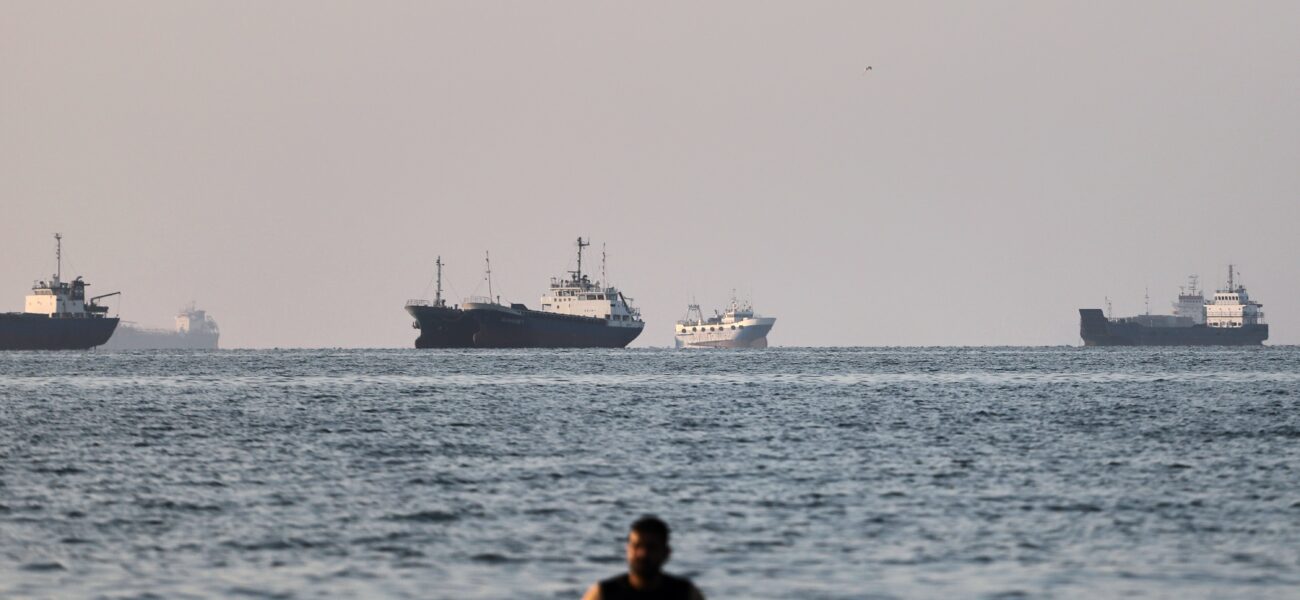
Red Sea Incineration: Rogue Projectile Sparks Tanker Blaze Off Oman, Reigniting Regional Tensions
POLICY WIRE — Muscat, Oman — It never really ends, does it? The placid blue expanse of the Gulf of Oman, often taken for granted as a mere shipping superhighway, once again finds itself a stage for a...

POLICY WIRE — Muscat, Oman — It never really ends, does it? The placid blue expanse of the Gulf of Oman, often taken for granted as a mere shipping superhighway, once again finds itself a stage for a high-stakes, simmering geopolitical drama. The smell of oil smoke, they say, carries for miles across those waters. And that acrid scent, now emanating from a tanker ablaze after being struck by an unidentified projectile, signals far more than just a busted hull and lost cargo.
It’s the predictable instability—the low hum of ongoing aggression—that defines this stretch of water. For years now, the global economy has hummed along, sometimes blissfully ignorant, other times grudgingly accustomed, to these intermittent flares of violence. This week’s incident, where an oil tanker suffered a fiery fate off the coast of Oman, just outside the Strait of Hormuz’s shadow, reminds everyone just how tenuous that peace really is. [QUOTE_PLACEHOLDER]
The details remain murky. Unidentified sources speak of a direct hit, a sudden flash, then the inferno. You don’t need a forensics team to connect these dots to the ongoing tit-for-tat skirmishes that define the wider region. Was it a drone? A missile? Or something even more crude? The precise weapon matters less, perhaps, than the message it sends: maritime routes, the very lifeblood of global trade, remain perilously vulnerable. This isn’t just about an individual ship; it’s about the systemic threat to one of the world’s most significant chokepoints, a strait through which nearly one-fifth of the world’s daily oil supply transits, according to the U.S. Energy Information Administration.
Look, shipping insurers are already scrambling. Their actuarial tables, already looking grim thanks to rising premiums in conflict zones, just got another nasty entry. We’re talking millions, probably billions, in potential losses, clean-up costs, and sky-high rates that eventually, invariably, get passed right along to you and me at the pump. And who really pays? It’s not just the shipping magnates, it’s the consumers, the manufacturing sectors that depend on predictable supply chains.
The incident also inevitably draws attention back to Iran. They’ve long cast a long, unpredictable shadow over the Gulf. Their Revolutionary Guard naval forces operate here, asserting what they see as sovereign rights—and challenging the dominance of others. While no direct attribution has been made, the historical playbook for such incidents rarely points to spontaneous combustion. It often points to state-backed actors—or at least actors with state acquiescence—seeking to flex muscle or disrupt, usually with a specific geopolitical agenda in mind. And that’s what makes this strike more than just an unfortunate maritime accident; it’s a statement, stark and unmistakable.
Neighboring states, particularly those dependent on Gulf shipping, won’t be taking this lightly. Pakistan, for instance, a nation constantly navigating its own complex energy needs and regional alliances, watches these developments with keen interest. A significant portion of its crude oil and liquefied natural gas (LNG) imports flow through these very waters, making the stability of Gulf shipping lanes a matter of national security, not merely economic convenience. Disruptions here could ripple directly through Karachi’s bustling port and into the everyday lives of millions, translating into higher fuel prices, supply chain snags, and amplified economic woes. This isn’t abstract policy; it’s bread-and-butter stuff.
📄 POLICY WIRE WHITEPAPER PUBLISHED: PAKISTAN'S NATIONAL SECURITY POLICY PRIORITIES
👉 READ BY CLICKING HEREBecause ultimately, these actions aren’t random. They’re calculated pressure points, designed to force concessions, demonstrate reach, or simply to remind the global community of who holds sway over these vital waterways. There’s an old chess game being played out on these seas, — and right now, somebody just moved a very aggressive pawn.
What This Means
This incident is a flare-up that serves as a loud, clear bellwether for rising geopolitical temperatures in the Middle East, even if the world’s immediate attention has been pulled elsewhere. Economically, we’re likely to see a spike in marine insurance premiums for Gulf transit, probably leading to higher shipping costs for everything from oil to manufactured goods. Think about it: a sustained period of these kinds of attacks could seriously dent global supply chain confidence, leading to diversification efforts—read: more expensive, longer routes—and further exacerbating inflationary pressures already stalking economies worldwide. Oil prices, already subject to a myriad of external factors, now have another, very explicit volatility driver to contend with.
Politically, the question of attribution will be a hot potato, with implications stretching far beyond the immediate region. Any definitive finger-pointing will likely trigger a fresh round of diplomatic condemnations, potentially new sanctions, or even more direct, albeit limited, retaliatory measures. For states like Saudi Arabia, UAE, and their allies, the incident reiterates the persistent threat to their economic infrastructure and could push them further into security pacts with Western powers, reshaping regional alliances in unpredictable ways. For Pakistan and other energy-dependent nations in South Asia, this isn’t just news; it’s a direct threat to their economic stability. It mandates an even more delicate balancing act in their foreign policy, trying to avoid being drawn into larger conflicts while ensuring their own resource lifelines aren’t cut. You see, the smoke from that burning tanker isn’t just evaporating into the desert air; it’s obscuring an already hazy future for an increasingly anxious global market.
And let’s not forget the environment. These are the deep, unspoken costs that linger long after the headlines fade. Spilled crude in some of the world’s busiest and most ecologically sensitive waters—it’s an ugly proposition. It’s a reminder that political chess pieces on the ocean often leave a messy, oil-slicked aftermath for generations to clean up. We’re all in this boat, whether we realize it or not. Policy decisions, even small ones, made in far-off capitals, can have devastating global ripples.