


The Red Devils’ Gambit: Why Belgium Benched its Strikers, Stunning a Global Audience
POLICY WIRE — Seattle, USA — When the starting XI for Belgium’s World Cup Round of 16 clash against the United States dropped, a collective gasp—or perhaps a confused shrug—rippled through every...

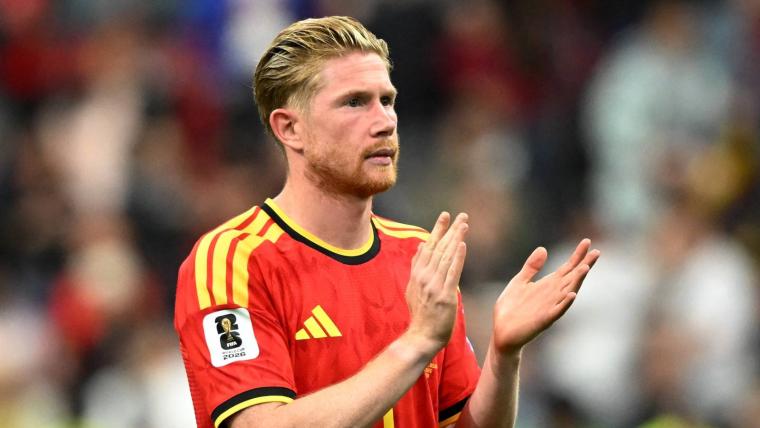
POLICY WIRE — Seattle, USA — When the starting XI for Belgium’s World Cup Round of 16 clash against the United States dropped, a collective gasp—or perhaps a confused shrug—rippled through every pundit’s desk, every fan zone, and every serious gambling syndicate worth its salt. Kevin De Bruyne, Jeremy Doku, Romelu Lukaku. Not on the sheet. Not starting. It wasn’t a mere tweak; it was a brazen, tactical earthquake, shaking assumptions about high-stakes football and the delicate psychology of international competition.
Many assumed a mistake, a typos on the official release, probably. But no. The Red Devils, usually fielding a glittering array of world-beaters, opted for what looked like a daring—some would say desperate—subversion of expectations. The chatter in European capitals, which tends to treat football news with the gravity of parliamentary debates, shifted immediately from match previews to speculation about what possessed manager Roberto Martinez to gamble so spectacularly with his most potent offensive weapons.
It’s an act of brinkmanship, really. Martinez, speaking later with a faint, almost imperceptible smirk, framed it as strategic necessity. “Football’s a game of wits, isn’t it?” he quipped to our wire service after the fixture. “Sometimes, you play the hand you’re dealt; other times, you change the deck entirely to keep your opponents guessing. We needed fresh legs, a different energy, against a robust American side.”
The reasoning, when parsed, involves individual player statuses. De Bruyne and Doku, staples all tournament, were pulled together at the hour mark during the dramatic Round of 32 comeback against Senegal. They were trailing by two goals then, remember. So, rewarding the folks who mounted that turnaround became the narrative. Lukaku? He’s been an option off the bench for most of this tournament anyway, dangerous for sure, but maybe not 90-minute fit. The legs aren’t quite there for sustained bursts, or so the medical staff must’ve whispered into Martinez’s ear. But benching all three? It’s like leaving your heaviest artillery back at the barracks—a dangerous move, even if you’ve got smart bombs tucked away.
U.S. Men’s National Team coach Gregg Berhalter, though, didn’t sound entirely convinced by the narrative of altruism or player preservation. He stated, perhaps a touch disingenuously, “We prepared for Belgium’s strongest lineup, obviously. Any change complicates things, sure, but our focus stays on our game plan. We adjust, we don’t overreact to another team’s choices, whatever they might be.” Sounds good, but you can bet the last-minute video analysis room was a whirlwind of panic and recalculation. That’s what a shock lineup does: it scrambles the best-laid plans. And it sure does rattle a manager’s confidence, making them question everything.
📄 POLICY WIRE WHITEPAPER PUBLISHED: PAKISTAN'S NATIONAL SECURITY POLICY PRIORITIES
👉 READ BY CLICKING HEREThis kind of radical selection isn’t just a coach’s call; it’s a statement. It impacts fan morale, betting markets, — and potentially even player valuations if the gambit fails spectacularly. You can almost hear the sighs of exasperation—or elation, depending on where your allegiances and wager slips lie—from Dhaka to Doha. Across Lahore’s crowded tea stalls, where midnight matches are devoured with fervent discussions, the chatter over Belgium’s lineup likely mirrored debates in any Brussels pub—just with more chai and significantly less beer. For millions in the Muslim world, football isn’t just a game; it’s a global spectacle where the unexpected — be it an underdog victory or a coach’s tactical curveball — sparks widespread, passionate debate. The total viewership for the previous World Cup soared past 5 billion according to Nielsen, with a substantial chunk coming from these emerging football markets, proving the deep cultural resonance of these strategic plays.
What This Means
Martinez’s decision, whether it pans out or not, represents a profound strategic calculation. It suggests a belief that psychological warfare, or perhaps a deep trust in his lesser-known assets, outweighs the perceived comfort of established stars. If Belgium falters, the recriminations will be brutal, framing Martinez as a mad scientist who experimented at the worst possible moment. If they succeed, it legitimizes an increasingly common tactic in elite sports: leveraging squad depth and unpredictability to disarm more fancied opponents. But the economic ripples are real, too. Player market values, endorsement deals—they hinge on visibility in these mega-events. Benching high-profile names, even strategically, chips away at their brand equity, however subtly. It’s a calculated risk that extends beyond the pitch and into the broader geopolitical theatre of international sports, echoing themes seen in events where a single decision can spark diplomatic scrimmages and global firestorms, proving just how much is at stake.
It also sends a message about managerial control in modern football. Star players, for all their commercial pull, remain pawns in the grand chess match. Their names on a team sheet guarantee eyeballs and revenue, sure, but sometimes the manager has to yank them back to assert dominance and perhaps, just perhaps, to remind everyone that the collective good outweighs individual brilliance—at least, in his eyes. What remains is a fascinating subplot to an already gripping tournament. One thing’s clear: Martinez isn’t afraid to roll the dice. And that, whether you like it or not, keeps things interesting.