

World Cup Loss? In Albuquerque, Mexico’s Spirit Soars Unvanquished
POLICY WIRE — Albuquerque, N.M. — A singular truth descended on the Land of Enchantment the moment Mexico’s World Cup hopes faltered: sometimes, the scoreboard means nothing at all. As the...

POLICY WIRE — Albuquerque, N.M. — A singular truth descended on the Land of Enchantment the moment Mexico’s World Cup hopes faltered: sometimes, the scoreboard means nothing at all. As the final whistle pierced the desert air, you might’ve expected a collective sigh, maybe some melancholic sips. But no. Instead, what erupted was an emphatic, vibrant shout – a defiant cultural assertion that Albuquerque’s sizable Mexican-American community wasn’t just watching a game; they were performing a ritual of identity.
It wasn’t a win on the pitch, not by a long shot. But this Sunday in Albuquerque, tucked away from the global glare, a sports loss transmuted into a spectacular, communal triumph. Families draped in emerald, white, and scarlet – even a feisty duck wearing a tiny tricolor cape, reportedly – coalesced in venues across the city, most notably at Revel. They didn’t mourn; they owned the moment. Because for many, Mexico’s World Cup run isn’t just about athletic prowess; it’s a visceral, pulsating thread connecting generations, heritage, and the evolving narrative of this nation.
“What we saw wasn’t just football fandom; it was a potent act of cultural reaffirmation,” observed Dr. Elena Morales, a cultural anthropologist at the University of New Mexico. She watches these patterns closely. “These communities aren’t just consumers of culture; they’re actively generating it, right here, making visible their indelible mark on American society. It’s an undeniable expression of belonging, louder than any single defeat.”
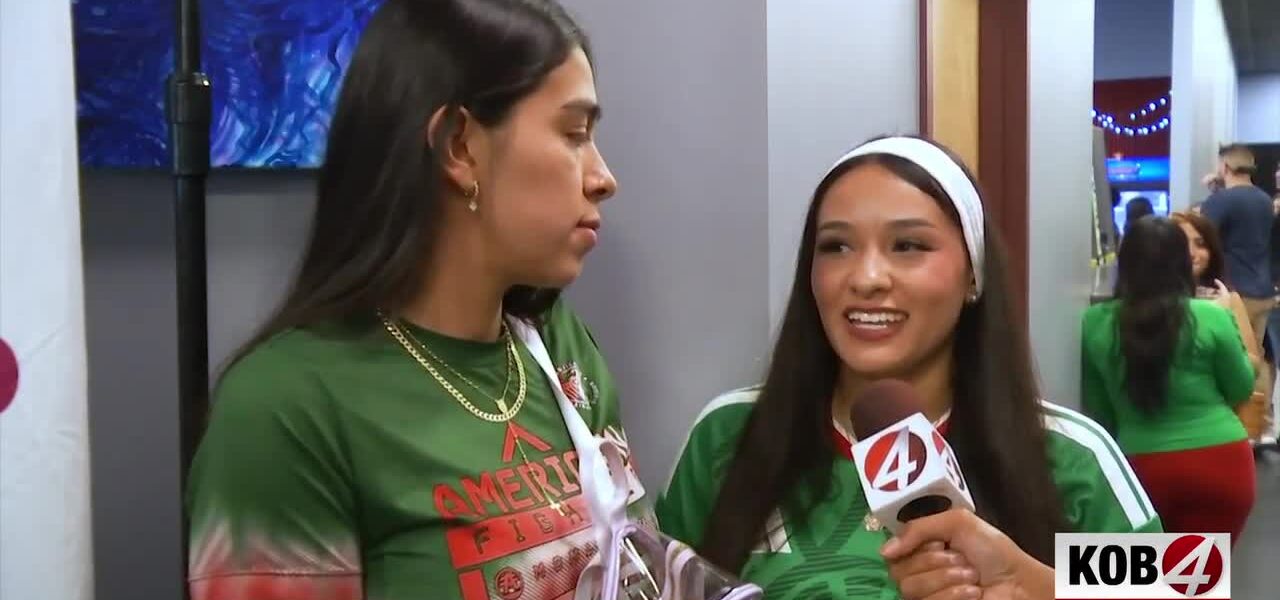
Fans spilled onto sidewalks, mariachi strains battling against modern pop, the aroma of chiles roasting mingling with the celebratory honks of passing cars. This wasn’t mere commiseration. “It’s like we’re in Mexico ourselves… we’re with our people… we’re all one… we’re all family basically at the end of the day,” said Eileen Negrete, her voice hoarse but beaming. And she’s not wrong. That collective sense of ‘we’ often manifests in profoundly tangible ways, both personal — and civic.
The sentiment is echoed far beyond New Mexico’s borders. From Bradford to Karachi, diasporic communities often cling to national sports teams as cultural touchstones. Look at how passionate Pakistani immigrants are for their cricket team, whether it’s in London or Dubai. That connection provides a tangible link to home, often strengthening local community bonds simultaneously. It’s an interesting parallel, isn’t it? The sheer emotional investment is universal.
But the cultural heartbeat wasn’t the only thing reverberating. There’s a subtle but significant economic undercurrent. Councilman Antonio Rivera, a long-time advocate for the city’s diverse communities, mused, “Every four years, you see this economic ripple, don’t you? It’s not just jerseys — and tacos, though those certainly help. It’s about a collective heartbeat, an investment in local pride that trickles down to every Main Street business that bothers to fly a flag. And it speaks volumes about who we’re as a city.” Rivera’s got a point. Think about the local taquerias, the sports bars, the street vendors—all experienced a noticeable bump in business.
According to the U.S. Census Bureau, Hispanic or Latino individuals constitute nearly 50 percent of Albuquerque’s population. That’s a demographic force you don’t just notice; you engage with it, economically — and culturally. It’s a vibrant reality, this tapestry of influences, especially in the southwestern United States.
📄 POLICY WIRE WHITEPAPER PUBLISHED: PAKISTAN'S NATIONAL SECURITY POLICY PRIORITIES
👉 READ BY CLICKING HERENatalia Sanchez, reflecting on the larger picture, pointed out how soccer bridges divides. “No matter who we’re or anything, any race, or any ethnicity, everyone’s won because of the sport,” she said. Immigrants have absolutely helped this country, she added. “So with everything going on, it’s just like, you know what, we’re up there.” It’s a compelling statement, isn’t it? That a simple game, played a hemisphere away, could encapsulate such profound aspirations for recognition — and respect.
What This Means
The scenes in Albuquerque aren’t merely about soccer; they’re a barometer of deeper societal trends. Politically, these gatherings act as informal referendums on identity — and belonging within a host nation. They showcase the electoral and cultural power of diaspora communities, often underappreciated until they coalesce in such undeniable ways. It’s a powerful, almost inadvertent, statement about citizenship, cultural expression, and political participation that transcends partisan divides. When you see thousands rallying behind a flag that isn’t primarily the Stars and Stripes, you’re witnessing the complexity of modern national identity unfold in real-time. It compels policymakers, or at least it should, to consider the multi-layered allegiances and contributions of immigrant populations.
Economically, such events generate immediate micro-bursts of commerce, boosting local establishments that cater to these communities. But there’s a macro effect too: the cultivation of cultural pride often translates into heightened engagement with local institutions, businesses, and even civic initiatives. It solidifies a community’s sense of place, making it a more resilient, integrated economic actor. Plus, the surge in interest for global sports can unlock new markets and consumer behaviors, much like we’ve seen in countries across South Asia with cricket. That passion isn’t just for fun; it’s a measurable commodity. What’s more, this collective fervor, this cultural outpouring, hints at a shifting paradigm in American life. Because culture isn’t static, not ever, is it?
The spirit in Albuquerque serves as a blunt reminder: defeat on the field doesn’t necessarily mean a loss of spirit. In fact, it can ignite something far more enduring—the quiet, collective strength of a community refusing to be silenced, refusing to be defined solely by the whims of a game. And that, really, is an unvanquished win.