


Albuquerque’s ‘Underdogs’ Kick Through the Glass Ceiling to National Stage, Redefining Desert Sports Policy
POLICY WIRE — ALBUQUERQUE, N.M. — In the vast, dusty expanse of New Mexico, where desert winds usually carry whispers of old legends and geopolitical significance (don’t forget Los Alamos!),...

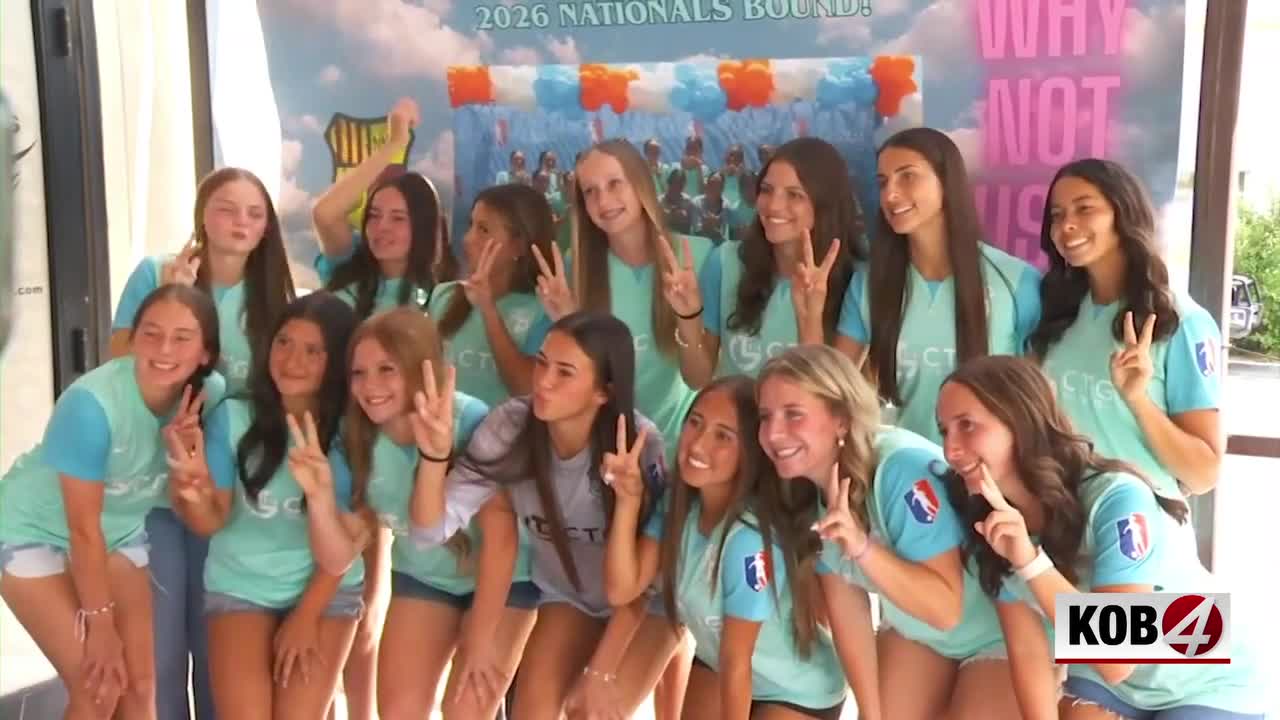
POLICY WIRE — ALBUQUERQUE, N.M. — In the vast, dusty expanse of New Mexico, where desert winds usually carry whispers of old legends and geopolitical significance (don’t forget Los Alamos!), something entirely unexpected has taken root and flourished on the soccer pitch. It isn’t a new energy initiative, nor is it a controversial water rights decision that’s got people talking—no, it’s a group of adolescent girls from the New Mexico Soccer Academy 2010G GA team, who’ve just upended decades of sporting obscurity, storming their way into the national ‘Elite 8’ tournament in Richmond, Virginia. A truly unusual achievement, you’d agree, for a state seldom mentioned in the national athletic discourse outside of a niche basketball fact or two. They’ve punched their ticket to nationals; first club team, boys or girls, from the Land of Enchantment to manage it. Talk about an underdog story, huh?
It’s not just a cute sports yarn, though. It’s got subtle, sharper edges, doesn’t it? These girls aren’t just chasing a ball; they’re kicking against persistent perceptions of New Mexico as an athletic backwater, a quiet corner often bypassed by the glittering lights of mainstream sporting success. For years, the state’s athletic programs—especially outside of high school football or men’s basketball—have grappled with underfunding and a perceived lack of talent pipelines. And yet, here we’re, watching a team, dubbed ‘underestimated’ by its own players, challenge the whole narrative.
Their head coach, Simon Rothman, understands the gravity of what his squad has accomplished. “Oh, I absolutely agree, 100%,” he asserted, a hint of fierce pride in his voice. “That’s the reason I’m here, honestly. I love the mentality of female athletes in this town, the raw determination. Giving them this opportunity? To succeed at a national level, whether that means playing in college, becoming a doctor, or even—dare I say it—the next president… that’s my why. It’s what drives us all.”
And because, let’s be real, success on this scale for a regional team in a sport like soccer often sparks a broader conversation about resource allocation and public support, this feat carries more than just emotional weight. State Representative Maria Elena Duran (D-Albuquerque), a known advocate for youth programs, weighed in. “What these young women have achieved transcends sports; it’s an economic driver, a symbol of potential for our communities,” Duran stated in an exclusive phone interview. “It forces us to ask: are we doing enough? Are we investing in every avenue that fosters local pride and upward mobility, particularly for our daughters?” It’s not just about winning; it’s about what winning unlocks.
The implications are many, rippling through New Mexico’s socio-economic landscape. The trip to Virginia, the exposure, the undeniable media buzz—it’s all a big deal. Taylor Roskos, one of the players, summed up their journey, perhaps inadvertently encapsulating the struggle of many grassroots endeavors: “We started out five years ago, like, at the bottom of the bracket, a new team, right? To now going to nationals. I think it’s just a really good accomplishment for us.” A good accomplishment indeed. It speaks volumes to persistence.
Consider the contrast globally, the simple freedoms these girls enjoy versus the immense hurdles faced by their counterparts in certain corners of the world. In many parts of Pakistan, for instance, particularly in rural or more conservative regions, young women aspiring to participate in competitive, national-level sports face a labyrinth of cultural prohibitions, limited infrastructure, and sometimes even outright societal resistance. Policy initiatives and advocacy groups there continuously push for greater female inclusion in sports, often against significant odds, much like those tackled by organizations promoting STEM education for girls in developing economies. For these New Mexican girls, their biggest adversary has been regional anonymity, not societal ostracization.
This journey also highlights a potent but often unquantified aspect of youth sports: its capacity to elevate perceived geographic disadvantages. An analysis by the National Federation of State High School Associations (NFHS) found that girls’ soccer participation in high school athletics increased by approximately 2.3% nationwide between 2021 and 2022. This team, however, isn’t just following a trend; they’re setting one for their state, showcasing how organized athletic pursuit can cultivate resilience, leadership, and—crucially—national recognition from places previously ignored.
What This Means
This unlikely triumph from Albuquerque is more than a fleeting sports headline; it’s a quiet but forceful policy statement. Economically, their national spotlight translates into potential tourism for the region (those parents traveling to cheer them on, you know?), increased visibility for local youth programs, and a compelling argument for greater state and local funding into non-traditional sports development. Politically, it empowers advocates like Rep. Duran, giving them tangible proof of what New Mexico’s young people, particularly young women, can achieve when given proper avenues and support. It broadens the conversation beyond the usual state budget wrangles, adding a layer of community well-being and aspirational development that’s difficult for policymakers to dismiss. This team’s success could well become a template for future investment, encouraging a more diverse and equitable spread of resources across New Mexico’s sporting landscape. it reminds us how deeply entwined global narratives are—even a local soccer team’s rise can subtly underline global discrepancies in opportunity and freedom, inspiring, perhaps, a reconsideration of female sports development in areas far beyond the U.S. Southwest. After all, if the ‘underestimated’ can do this, what other unrecognized talents are out there, waiting for their policy moment?