


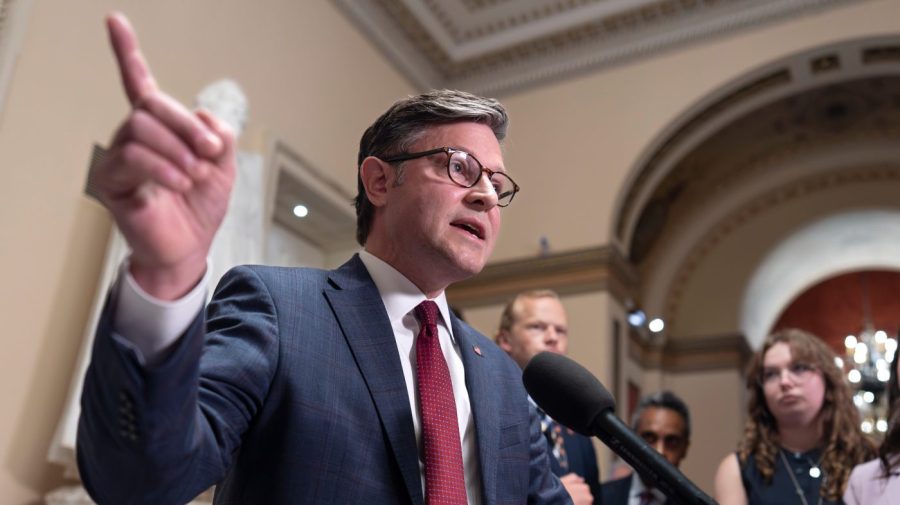
Political Theater Encore: Johnson Rushes ‘SAVE America’ to Senate Via Reconciliation
POLICY WIRE — Washington, D.C. — Another Washington political opera’s about to hit the stage. You can practically hear the collective sigh from across the aisle. Turns out, Speaker Johnson...

POLICY WIRE — Washington, D.C. — Another Washington political opera’s about to hit the stage. You can practically hear the collective sigh from across the aisle. Turns out, Speaker Johnson isn’t content letting sleeping legislative dogs lie. He’s geared up, yet again, to put the House’s much-touted SAVE America Act onto the Senate floor using that peculiar legislative cudgel called reconciliation.
It’s an old trick, really, a familiar dance in the capital’s intricate ballet of power. We’ve seen this show before. The House passes something, quite often with a healthy dose of partisan enthusiasm, only for it to stumble, sometimes theatrically, into the Senate’s procedural labyrinth. But reconciliation—now that’s a different beast. It’s the legislative equivalent of a express lane, designed to bypass the filibuster, permitting specific budgetary legislation to pass with a simple majority. For Johnson, it’s not just a strategic move; it’s a statement. [QUOTE_PLACEHOLDER]
And what’s the SAVE America Act, you ask? Think border enforcement, immigration constraints, and the kind of fiscal discipline conservatives dream about at night. It’s not a soft-gloved approach; it’s a policy hammer. For instance, proposals like H.R.2, which mirrors many SAVE Act intentions, have aimed to make drastic changes to asylum processing, fortify the southern border with technology and personnel, and tighten rules around undocumented migration. But getting it to stick? That’s where the real sport begins. It’s a message bill, sure, but also a potent attempt to force the hand of a divided Congress.
The Speaker’s intentions were clear, though perhaps delivered with the weary pragmatism of someone who’s battled this particular dragon before. He articulated the plan with a quiet resolve, stating the House intends to push this particular legislation through once more within the confines of a reconciliation measure. It’s a procedural gambit—a political chess move—intended to force a vote and put everyone’s positions on display. You know, just in case anyone had forgotten.
Because, really, these legislative power plays don’t just happen in a vacuum. They echo beyond the Beltway. U.S. immigration policy, or lack thereof, ripples globally. Pakistan, a nation with its own complex migration challenges, both internal and external—from Afghan refugees to a massive diaspora—often feels the indirect heat of American policy choices. Tighter U.S. immigration screws, increased border security narratives, and shifting foreign aid allocations (sometimes tied into broader budgetary maneuvers like reconciliation bills) can affect diplomatic ties, remittances, and even the geopolitical calculus for countries already grappling with economic and social pressures. It’s not direct, no, but the global currents shift. For instance, according to data from the U.S. Department of Homeland Security, deportations of non-citizens to countries in South Asia, including Pakistan, fluctuated significantly over the past decade, demonstrating a direct operational consequence of shifts in US immigration policy.
The administration’s counter-strategy isn’t exactly a secret, either. They’re banking on a different kind of pressure, probably hoping that enough legislative dead ends will force a broader, bipartisan compromise that never seems to materialize. But hope isn’t a strategy. Not here. It’s more like a recurring fever dream.
📄 POLICY WIRE WHITEPAPER PUBLISHED: PAKISTAN'S NATIONAL SECURITY POLICY PRIORITIES
👉 READ BY CLICKING HEREYou can bet your bottom dollar advocacy groups on both sides are already drafting their press releases. One side will herald this as a victory for secure borders and fiscal prudence; the other will condemn it as cruel, unworkable, and politically motivated. And they wouldn’t be wrong. It’s all of those things. It’s partisan muscle-flexing masquerading as serious governance, — and it’s about to go down. Again. We’ll be watching to see if this particular act in the legislative drama finally gets its standing ovation or another swift hook from the wings. It usually doesn’t end well.
What This Means
This isn’t just bureaucratic reshuffling; it’s a high-stakes poker game, where the chips are policy and political capital. Pushing the SAVE America Act through reconciliation signals Johnson’s aggressive commitment to a specific, restrictive immigration agenda, and it forces a potentially difficult vote in the Senate. If it passes there—a big if—it’ll be a significant win for Republicans, reshaping everything from border funding to legal immigration pathways. If it fails, it cements the narrative of a perpetually deadlocked Congress, unable to address its own issues. It might even further entrench voter frustration as we inch closer to election cycles, because really, people want solutions. It’s just that these particular legislative endeavors rarely provide them. Internationally, countries like Pakistan — and other South Asian nations often pay close attention to these U.S. immigration and budgetary battles, knowing that shifts here can impact development aid, security assistance, and the movement of people. A move like this sends a clear message about American priorities, one that countries with significant diaspora communities or regional geopolitical interests will decode carefully. It’s part of a larger discussion about American influence—or perceived retreat—on the world stage, an influence that extends far beyond just trade numbers, often shaping destinies whether Washington acknowledges it or not. The impact on cricket-obsessed Pakistan might not be immediate in policy, but in perception, it certainly resonates.
It’s not just about what passes or fails, but what these repetitive maneuvers tell us about the current state of American governance. They’ve effectively turned legislative bodies into performative arenas, where intent matters more than actual outcome. This particular push, especially through reconciliation, underscores a calculated risk: burn political capital to force a contentious issue, potentially galvanizing the base, but perhaps alienating the very senators needed for a lasting resolution. But hey, it’s never been about lasting resolutions, has it?
And let’s be honest: while we’re debating the legislative minutiae of the SAVE America Act, the global picture continues its restless, complicated churn. These aren’t isolated incidents; they’re gears in a much larger, often clunky, machine. One policy domino here could very well impact another, say, from Vietnam’s shadow markets to a refugee camp on a distant border. That’s just how the game works. This isn’t high-minded diplomacy; it’s just raw, unfiltered politics. Welcome to the show.