


FIFA’s Sporting ‘Justice’ Raises Eyebrows, Not Just Red Cards, Globally
POLICY WIRE — Geneva, Switzerland — Another week, another judgment from the global custodians of football. But this wasn’t some minor infraction getting a quiet review; instead, FIFA, with all...

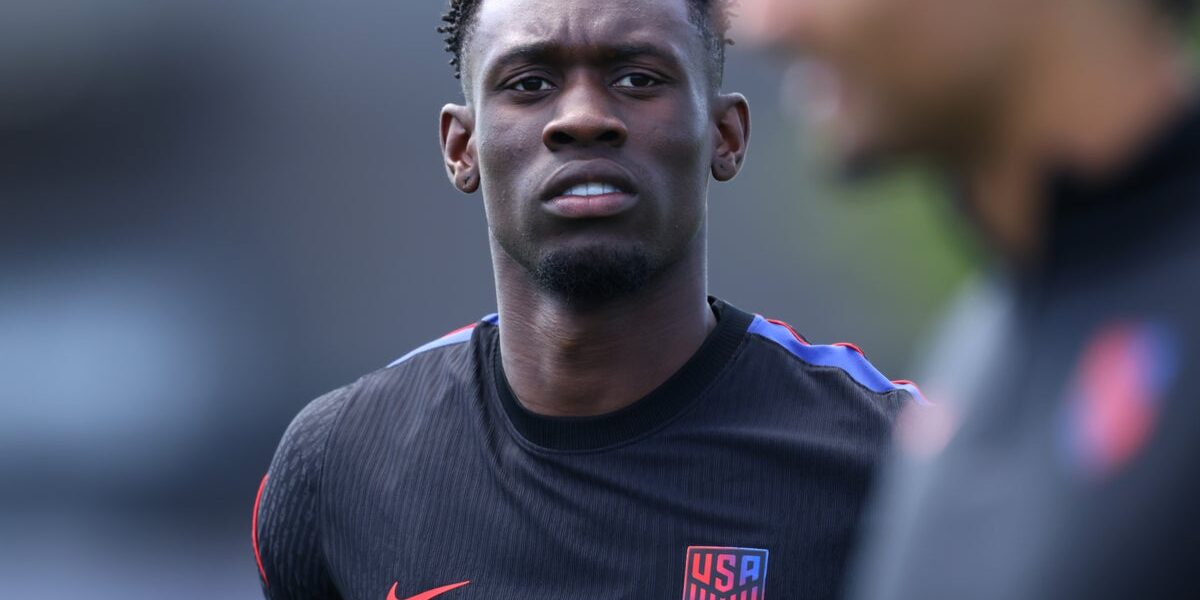
POLICY WIRE — Geneva, Switzerland — Another week, another judgment from the global custodians of football. But this wasn’t some minor infraction getting a quiet review; instead, FIFA, with all the subtle grace of a runaway freight train, opted to suspend a red card. Not just any red card, mind you, but one given to American striker Folarin Balogun just days before a pivotal knockout match against Belgium. The outcome? A tempest of indignation stretching from European sporting bodies to Washington, D.C.—and beyond.
It’s the sort of move that makes you wonder if the rulebook is merely a suggestion for certain teams, not a binding document. Balogun’s initial dismissal during a last-32 clash with Bosnia-Herzegovina, reportedly for an accidental contact, seemed open to debate. Fine. Happens all the time. But the swift, unilateral intervention by FIFA’s disciplinary committee, citing the rarely invoked Article 27 of its code to let him play, well, that’s what had everyone from former pros to actual heads of state sounding off.
The immediate fallout was exactly what you’d expect from an organization often accused of operating in its own, slightly opaque orbit. Former England international — and respected pundit Gary Neville, known for pulling no punches, didn’t hold back. “It absolutely stinks,” Neville declared on ITV, clearly exasperated. “Let’s be really clear. But what I would say is the thing that stinks the most is there should be a review process in place.” And he’s got a point. If established protocols aren’t followed, or are bent with such apparent casualness, what exactly are the rules for?
Because that’s where the real trouble starts, isn’t it? The perception. If you’re a nation, say, on the periphery of football’s economic juggernaut, perhaps somewhere like Pakistan or another developing football market across South Asia, you watch this play out. And you’re left wondering: Do decisions like these ever go in our favor? Do the powerful—or those aligned with them—just get a different set of officiating? That suspicion isn’t just theoretical; it colors the entire landscape of global sports governance.
Predictably, the Royal Belgian Football Association, whose team now faces Balogun, was less than amused. Peter Bossaert, President of the Belgian FA, minced no words: “We’re astonished, genuinely bewildered, by this eleventh-hour maneuver,” he stated, his voice likely tight with frustration. “It damages the spirit of fair play. Our legal team is looking into every conceivable option, because what’s just for one, must be just for all, not selectively applied for the convenient few.” It’s hard to argue with that logic, isn’t it?
Even Donald Trump, a former President and never one to miss an opportunity for public pronouncements, weighed in, signaling American delight. Writing on his Truth Social platform, Trump hailed the news, saying, “Thank you to Fifa for doing what was right, and reversing a great injustice!” It shows just how quickly a sporting matter can morph into something with far larger, more complicated, political contours. These aren’t just games; they’re platforms for soft power, for national pride, — and yes, for political statements. And America’s growing dominance in youth soccer amplifies every such decision.
📄 POLICY WIRE WHITEPAPER PUBLISHED: PAKISTAN'S NATIONAL SECURITY POLICY PRIORITIES
👉 READ BY CLICKING HEREThis isn’t an isolated incident either. The memory of Cristiano Ronaldo’s red card suspension before a major tournament clash isn’t far behind. And that kind of precedent doesn’t foster trust; it breeds cynicism. A report from Transparency International, published in 2023, found that a staggering 79% of people worldwide believe corruption is widespread in sports governance, citing a lack of accountability and opaque decision-making as key factors. When decisions like Balogun’s happen, it just feeds the beast.
What This Means
This Balogun saga isn’t simply about one player missing one game; it’s a microcosm of the challenges facing international sports bodies like FIFA. Politically, it fuels nationalist sentiments—supporters of favored teams cheer, while opponents seethe with accusations of favoritism. Economically, it touches on sponsorship deals and broadcast rights; allowing a prominent player from a major market like the U.S. to participate in a knockout game arguably keeps viewership numbers high for certain critical demographics, making sponsors happy. The broader implication is a further erosion of confidence in FIFA’s impartiality. Nations with less commercial clout often watch these decisions with a jaundiced eye, believing they wouldn’t receive similar dispensation. It’s a perception problem, absolutely. But perceptions can be brutally effective realities in the high-stakes world of international relations and sports diplomacy.
It’s about maintaining a semblance of integrity in a system that often appears to prioritize spectacle and commerce over consistent application of its own rules. The world is watching. And frankly, this latest episode makes it harder for anyone to make a straight-faced argument about true equity on the global stage. What FIFA seems to be saying, loudly, implicitly, is that some players—and by extension, some nations—are more equal than others when it comes to getting a favorable break. It’s a dangerous game.